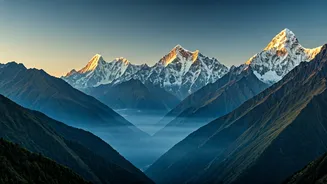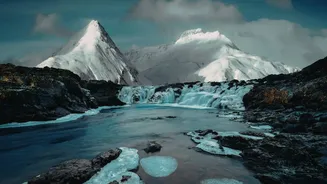




Located way high up in eastern Karakoram, where the maps start to look like suggestions rather than directions, is a stretch of ice that has earned a poetic
title. It is called the Crown of the Himalayas. It is not the most photographed, nor is it the easiest to reach. But that is exactly what makes the Siachen Glacier so compelling. And in a major announcement early last year, Ladakh Lieutenant Governor Kavinder Gupta revealed plans to develop both Siachen, the world’s highest battlefield, and Galwan Valley, known for its historical significance, as tourist destinations. This move is expected to not only boost tourism in Ladakh but also give Indians a rare opportunity to step into spaces that have long symbolised courage, sacrifice, and patriotism. “Siachen and Galwan are being developed to promote tourism, thereby giving visitors a unique opportunity to experience the unmatched natural beauty as well as the spirit of courage and sacrifice associated with Ladakh’s frontier regions,” Governor Gupta said. More About The Siachen Glacier For years, Siachen has existed more in headlines than in holiday plans. Known as the world’s highest battlefield, it has long been associated with extreme conditions and military presence. For decades, the Indian soldiers have braved extreme conditions here, defending the nation on one of the harshest terrains on earth. While civilians have only ever heard stories about Siachen’s icy expanse, the government’s plan now makes it possible for tourists to catch a glimpse of this legendary frontier. Imagine a glacier which is stretching over 70 kilometres and has been framed by jagged peaks and an endless sweep of white. There are no cafes here, no curated viewpoints, no soft landings into the experience. Siachen does not ease you in. It just demands that you meet it on its own terms. And despite that, it has now become possible to visit. Also Read: Who Let the Dogs Out? Pet-Friendly Travel Is Taking Over Indian Holidays The starting point of this journey is Leh. It is a destination that has, over the years, become synonymous with high-altitude travel. From here, the roads make their way through stark mountain passes towards the Nubra Valley. The shift is gradual but very much noticeable. You will feel it so much. The terrain softens in parts, sand dunes appear unexpectedly and the air carries a different kind of stillness. A little ahead is Partapur, which is a small but significant stop. This is where the permits come into play. Since the region is under the watch of the Indian Army, civilian movement is very carefully regulated here. You require permissions and the routes are defined with precision. It is not the kind of trip you can improvise. You have to plan it, apply for it, and then, if all aligns, you go.