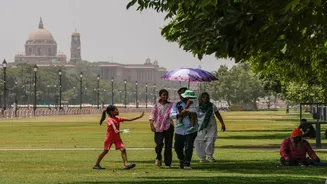





Every May, the same thing happens. Temperatures in Delhi, Chennai and Kolkata cross 42°C, the news runs another "heatwave alert," and suddenly half the country
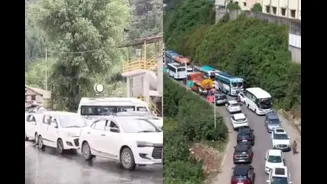
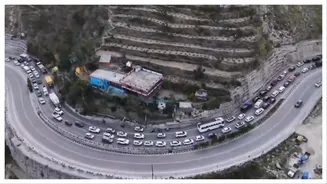
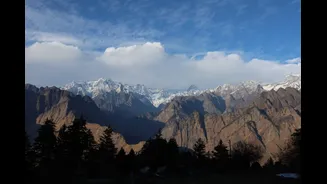
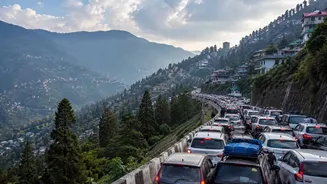
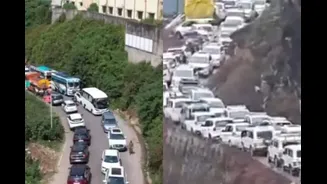
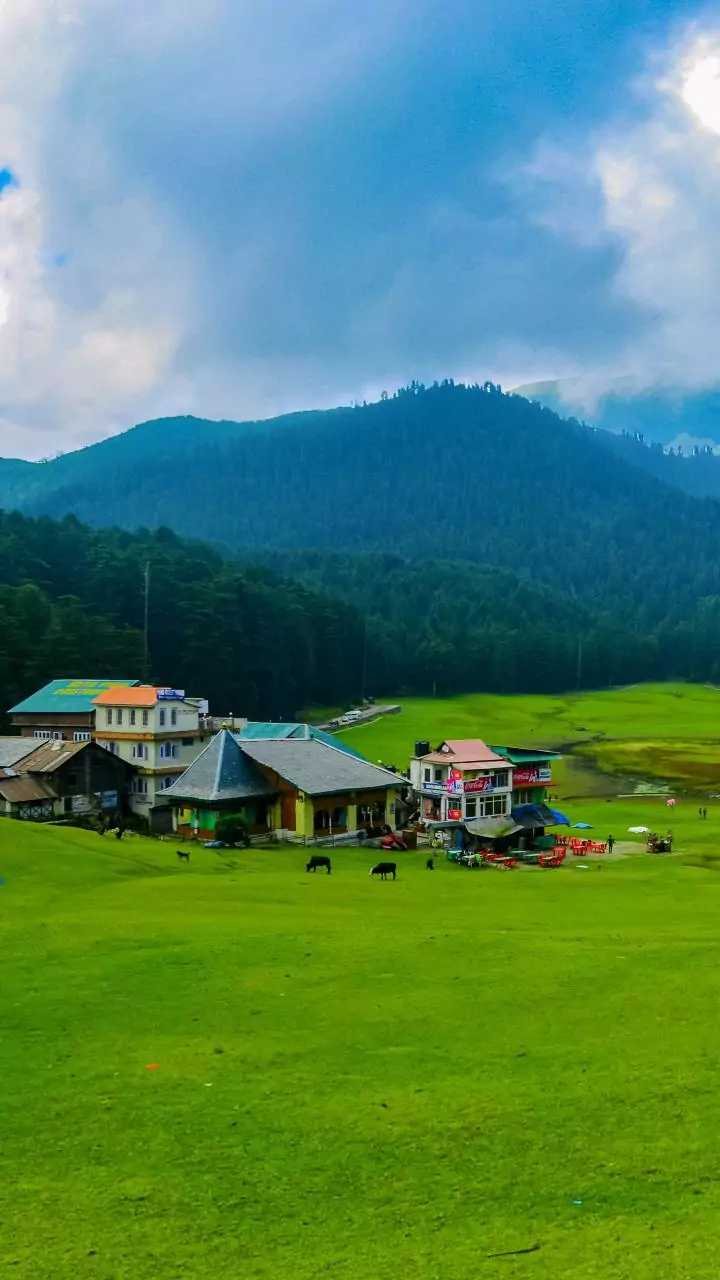
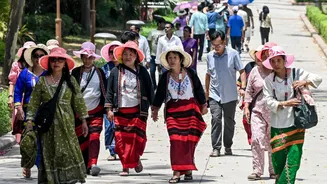
decides it is time to head to the hills. This year is no different - except the videos coming out of Kodaikanal, Manali and Sikkim are harder to scroll past than usual. These viral videos show vehicles lined up for kilometres, with tourists stranded for hours trying to reach their destinations. In Manali, what should be a three-hour drive from Mandi has stretched to nearly eight hours on weekends, with over 2,800 out-of-state vehicles crossing the green tax barrier in a single day. Down south, Kodaikanal's narrow roads and colonial-era infrastructure are just not built to handle this kind of vehicle traffic and yet the cars keep coming. In one now-viral clip, drone footage revealed that a massive traffic backup was caused by a single large-chassis tourist bus wedged on a narrow ghat section 20 kilometres away, while thousands of cars sat waiting on either side. Meanwhile, in the northeast, Sikkim - a state of barely 6 lakh people - recorded over 1.2 million tourists in a single year, with MG Marg in Gangtok now in a state of near-constant congestion and most hotels displaying "No Vacancy" signs well in advance. Also Read: Delhi Government Announces 25% Cut In Travel Expenses: Everything You Need To Know Part of this rush is easy to understand. Large parts of India are witnessing extreme heat conditions earlier and more intensely every year. For many families, hill stations are no longer luxury vacations but more like a seasonal survival plan. A quick trip to the mountains feels like the only way to escape weeks of relentless heat and poor air quality.
What Is Actually Happening?
In Sikkim, specific destinations like Tsomgo Lake and Yumthang Valley are particularly overwhelmed. There is traffic congestion, unregulated trekking, waste accumulation, and vehicle pollution revealing significant gaps in how tourism is being managed. The state introduced a Rs 50 entry fee per tourist in 2025, with the money going toward a fund to develop tourism infrastructure and preserve natural beauty. However, the experts argue that amount is far too low to make any real dent. Road infrastructure also happens to be a persistent issue, with damage along key highways continuing to disrupt travel.Enormous crowds now choke beautiful spots like Manali and Goa. Travelers spend long hours in painful traffic jams instead of enjoying holidays. Chief Minister Prem Singh Tamang faces massive chaos as Sikkim overflows with a chaotic rush of people. pic.twitter.com/EZtFZJ5VHy
— VIZHPUNEET (@vizhpuneet) May 26, 2026
In Manali and Kodaikanal, the core problem is similar: Roads and civic systems have been designed for small hill towns and not for the volume of a mid-sized Indian city showing up every weekend. Locals in these hill stations have been speaking out about irresponsible tourist behaviour, littering, and the kind of environmental damage that is slowly degrading ecosystems they have lived alongside for generations. There is a sense of frustration in these communities that has been building for years.
Enormous crowds now choke beautiful spots like Manali and Goa. Travelers spend long hours in painful traffic jams instead of enjoying holidays. Chief Minister Prem Singh Tamang faces massive chaos as Sikkim overflows with a chaotic rush of people. pic.twitter.com/EZtFZJ5VHy
— VIZHPUNEET (@vizhpuneet) May 26, 2026
Enormous crowds now choke beautiful spots like Manali and Goa. Travelers spend long hours in painful traffic jams instead of enjoying holidays. Chief Minister Prem Singh Tamang faces massive chaos as Sikkim overflows with a chaotic rush of people. pic.twitter.com/EZtFZJ5VHy
— VIZHPUNEET (@vizhpuneet) May 26, 2026
What Can Be Done?
Some states have already started discussing visitor caps, stricter construction rules, better parking systems and even sustainable tourism policies. However, the implementation remains inconsistent. For now, most hill stations are still playing catch-up while the crowds continue to grow.
And perhaps that is the biggest irony of the modern mountain vacation. Everyone is searching for peace, fresh air, and quiet landscapes but when millions head to the same places at the same time, the hills begin to lose the very thing people came looking for in the first place.
Also Read: Ebola Travel Advisory: What Every Summer Traveller Needs To Know Before Boarding A Flight
None of this means people should stop travelling. The hills are, genuinely, extraordinary and the access to them should not be a privilege reserved for the few. But there is a version of this that works better: Staggered travel, off-peak planning, stricter regulation of construction in eco-sensitive zones, and a real conversation about carrying capacity. Urgent steps are needed, or these mountains risk becoming just another overcrowded tourist trap. The cool air is still there. The question is how long the mountains can keep absorbing the chaos we bring with us.