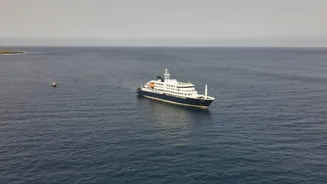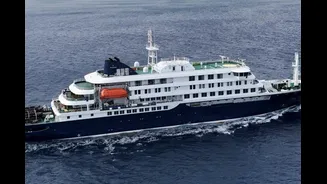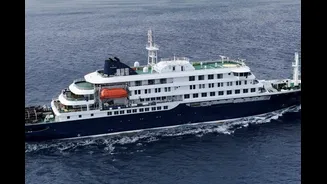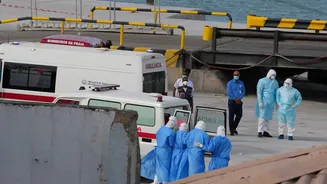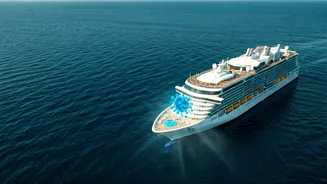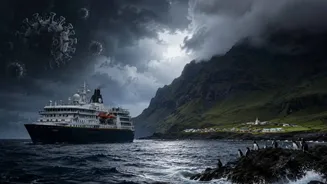



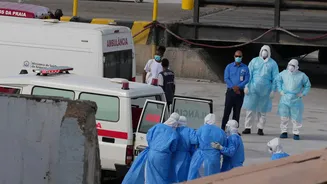
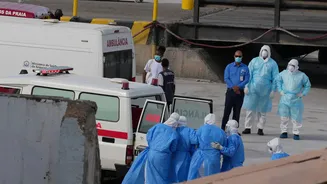
While the MV Hondius is now sadly being talked about for the hantavirus outbreak, the Atlantic cruise had once carried a very different distinction, which
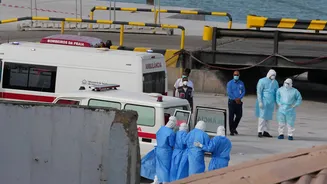
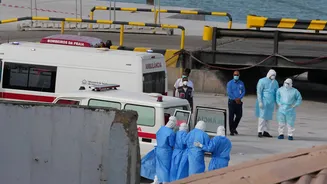
was a stop at Tristan da Cunha, one of the remotest inhabited islands on Earth. In this journey, the vessel anchored off Tristan da Cunha between April 13 and 15, giving passengers a rare glimpse into one of the world’s most isolated communities, unaware of the fate that would later unfold onboard. Turkish travel YouTuber Ruhi Cenet was among the 150 people travelling aboard the MV Hondius when the outbreak unfolded. Cenet had boarded the vessel in Argentina on 1 April. All set for the 36-day expedition, he departed from Ushuaia, hoping to document Tristan da Cunha. But what is so special about this place? Read below to find out. Also Read: Dior’s Dessert-Themed Pop-Up at Deji Plaza Is Just One Reason to Visit China’s ‘Luxury Hill’ Lying in the South Atlantic Ocean, thousands of kilometres from both South Africa and South America, Tristan da Cunha has no airport, no luxury resorts and no easy way in. For the roughly 250 people who live there, remoteness is not something to escape, it is simply a way of life. A Place The World Rarely Reaches In this British Overseas Territory, most of the people live in a single settlement called Edinburgh of the Seven Seas. There are no traffic lights, no shopping malls and no crowded streets. Daily life moves at a slower pace - mostly shaped by fishing, farming and the weather. Getting there is another task altogether. Since the island has no airport, the only way to reach it is by sea. Most travellers depart from Cape Town, board fishing vessels or expedition ships. This can take nearly a week to arrive depending on ocean conditions. Even then, rough seas often make landing difficult. Isolation has shaped every aspect of life here. Tristan da Cunha has its own local government, a school, a post office and a small healthcare facility which has been staffed by a resident doctor. Yes, there is internet access but it remains limited and expensive. Supplies arrive only a few times a year, which means residents rely heavily on one another. For people who are drawn to exploring places that remain untouched by mass tourism, the island will offer a rare experience. It has not been redesigned for visitors and there are no packaged sightseeing circuits or curated "experiences." It is raw and that's the beauty of it. Tourism exists, but quietly and in small numbers. Visitors who have travelled to Tristan da Cunha talk about the silence and then the wildlife. You will witness northern rockhopper penguins crowding the shores, while seals and seabirds dominate much of the landscape. The island's volcanic terrain, with steep green cliffs and endless stretches of ocean create a setting that feels untouched by modern life. Then there is the Gough Island nearby, which is a UNESCO World Heritage Site known for its ecological importance and bird populations. There are strict conservation efforts in place, which protect much of the surrounding region, and then there is the island community which has become deeply involved in environmental preservation. Life On The Edge Of Isolation Life in Tristan da Cunha is not to be romanticised in the way social media often does. Harsh weather can cut residents off for weeks. Medical emergencies can be complicated because evacuation options are limited. Younger residents sometimes leave for education or work opportunities elsewhere. The island has also been haunted by the memory of many past disasters. For instance: In 1961, a volcanic eruption forced the entire population to evacuate to England. However, many people later chose to return home despite the hardships of living there. This reflects the strong emotional connection residents have with the island. Also Read: Thailand May Make Health Insurance Mandatory for Tourists — What It Means for Travellers The recent Hantavirus outbreak has raised multiple health concerns as isolated communities are extremely vulnerable to infectious diseases. Places like Tristan da Cunha have really limited medical infrastructure and depend heavily on prevention, especially when ships arrive. As of now, there have been no major reports of widespread illness on the island, following the ship's visit.