




What is the story about?
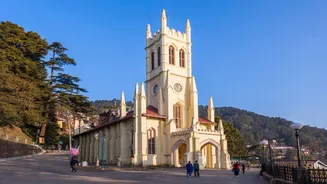
The bustling lanes of Shimla make for a very different experience as compared to the reflective hill-scape of the tourist favourite stop. Historically
a colonial hill station, the Himachal Pradesh landmark city has a bit of an oscillating 'peak season' through the year. With Shimla, you can pretty much swing by any time. But every season curates a different kind of experience in essence.
Best Time to Visit Shimla
The most stereotypical time to visit Shimla is between March and June - truly the hill station's peak season. This stretch of the year in Shimla entertains sublime temperatures ranging between 15C to 30C. For the summer stretch, that's a dreamy climate away from the heatwave the country finds itself tipping into.March to June is widely considered Shimla’s peak season. Temperatures during this stretch typically range between 15°C to 30°C, making it a welcome escape from the plains’ summer heat. This temperature is perfect for long walks against the landscape, trekking or even strolls - the Mall Road can take up hours and hours of your time in this regard. The views are breathtaking, especially the Ridge Shimla which of course then, attracts bigger crowds and even higher hotel tariffs. But if serenely soaking in the sights and sounds of Shimla is what is on your agenda, this might not be the window for you.
The winter stretch between December and February is as freezing as it gets. Temperatures can dip close to or below freezing. The nights, very likely see the temperature drop below 0C. If you're looking to experience the hill station draped in snow, January is the most likely month for you to zoom in for a visit. Again, the temperatures and the snowfall can create severe mobility issues. So this stretch all in all, is perfect for if you want to wake up to the sights and sounds of Shimla, venturing out here and there briefly - but not if exploration is your goal.
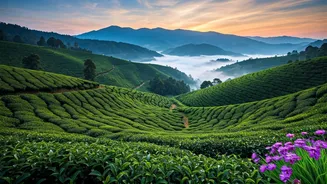
Shimla's monsoon stretch from July to September, sees the hill station take on a different colour and air. With about 1400m of rainfall coming down on it, the hills turn lush and green. This also means that the crowds tend to dwindle. The typical issues that entail during this time are landslides, slippery roads and travel disruptions. This is technically off-season time for Shimla, but also perfect if you're looking for a staycation there.