



India is home to some of the most extraordinary wildlife experiences, from tiger safaris in Rajasthan to mangrove forests in the Sundarbans. But located
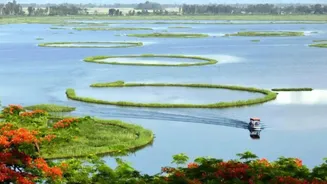
in Manipur, is a place that feels unreal - a national park where the forest actually floats on water. Yes, you read that right! Welcome to Keibul Lamjao National Park in Manipur, the world's only floating national park, which has been built entirely on living islands called phumdis - and yes, it is exactly as surreal as it sounds. At a distance of 53 kilometres from the state capital Imphal, the park spans roughly 40 square kilometres on Loktak Lake, which is also the largest freshwater lake in Northeast India. But calling it a lake does not quite do it justice. It's too shallow to be a true lake and too fluid to be a conventional forest. It somehow exists in its own strange, beautiful in-between. Also Read: Thailand Scraps 60-Day Visa-Free Entry For Indians: What Travellers Need To Know
The Real Secret
The secret behind Keibul Lamjao's unusual landscape lies in something called phumdis. For the unversed, phumdis are thick, spongy masses of vegetation, soil and organic matter that float on the lake's surface. And no, they are not static. During the monsoon, rising water lifts them upward. In the dry months, they sink and touch the lakebed, absorbing nutrients before rising again when the rains return. This seasonal rhythm somehow gives the park its dream-like quality. In some places, the phumdis are thick enough to support large animals, even deer. In others, they thin out and break apart, creating channels of open water. One moment you are on firm ground, the next you are peering into the lake through the very floor you are standing on. Fantasy film? Indeed!
Home To The Rare Sangai
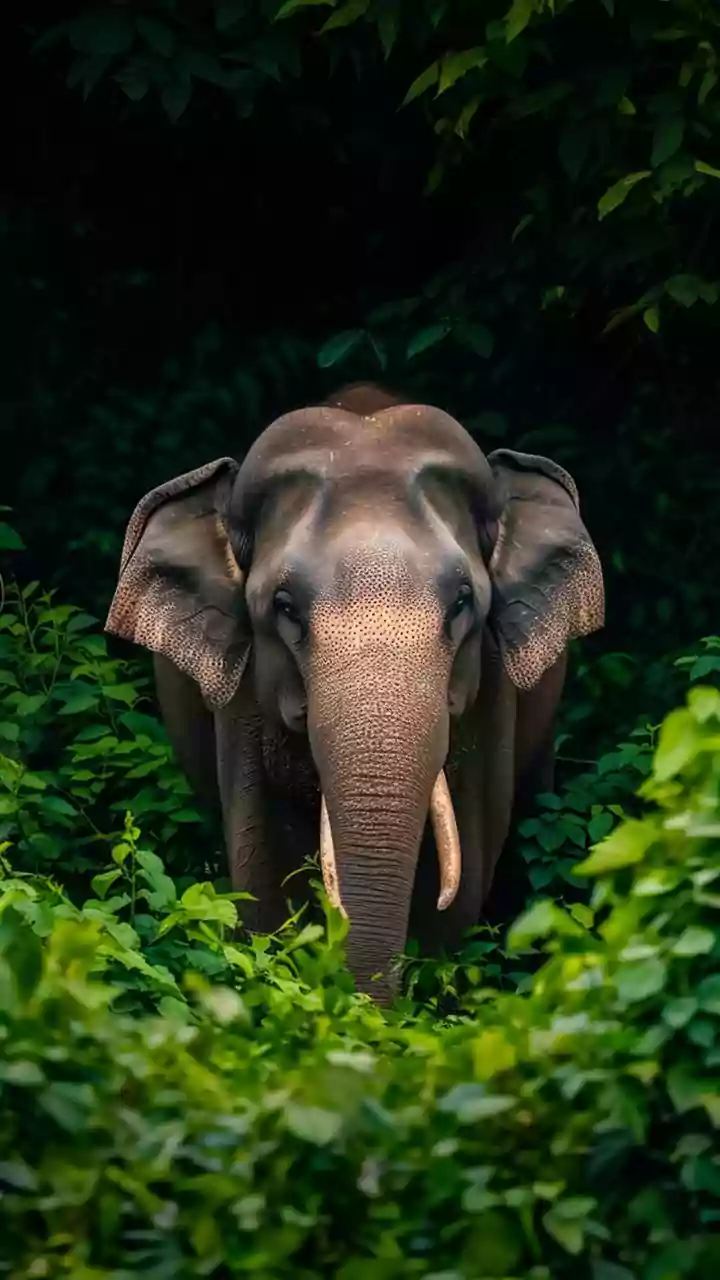
The real star of the show? The Sangai deer. It has also been listed as endangered by the IUCN Red List and protected under Schedule I of the Indian Wildlife Protection Act - whose survival is entirely dependent on this peculiar phumdi habitat. In Manipuri folklore, the Sangai is seen as the binding soul between humans and nature. From a small herd of just 14 deer in 1975, the population reportedly climbed to 155 by 1995, a quiet conservation win in one of India's most overlooked corners.The park also shelters the Golden Cat, Hornbill, rock python, hog deer, and sambar deer. Winter months particularly bring in migratory birds, making it an added draw for birdwatchers.
How To Experience This Fantasy?
You can take a canoe ride through the waters of the floating national park - which is, hands down, the most otherworldly way to do it! Glide through channels between the floating islands, with reeds closing in overhead and a deer possibly visible through the grasses. There are also watchtowers inside the park, and for the Sangai, early morning is everything! Forest guides advise arriving as early as 6 AM for the best chance of a sighting.Also Read: No Plan, No Problem: The Rise Of The 'No-Itinerary' Vacation And Why Doing Less Is The New Way To Travel
The ideal window to visit is October to March. It is the most comfortable weather, minimal rain and peak wildlife activity. Entry fees are as nominal as Rs 30 for Indian adults and Rs 200 for foreign tourists.