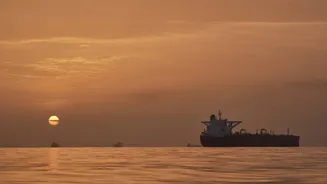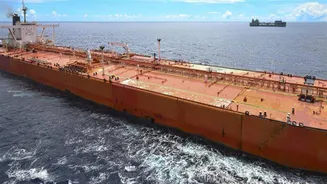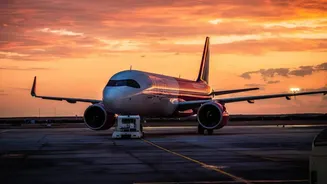








The head of the International Energy Agency has warned that Europe may have just as little as six weeks of jet fuel left. Meaning, flights could be grounded
and holidays could be pricier if the situation continues. According to Chief Fatih Birol, cancellations could begin "soon" if oil supplies remain blocked. He described the situation as potentially “the largest energy crisis… ever faced” - as he warned of knock-on effects that go well beyond aviation. The impact will be "higher (gasoline) prices, higher gas prices, high electricity prices," he said, with the sharpest impact likely to hit countries across Asia, including Japan, South Korea, India, China, Pakistan and Bangladesh, before rippling into Europe and the Americas. Also Read: Tourists Are Flocking Everywhere, Except the US: What's Going On? How Is Europe Being Impacted By The Jet Fuel Crisis? It all comes down to the Strait of Hormuz - which has been effectively shut amid the ongoing war. Before it all started, roughly a fifth of the world's crude oil and liquefied natural gas passed through this narrow stretch. In its monthly oil market report, the IEA - which advises 32 member countries on energy supply and security - had mentioned exports from the Gulf region were the largest source of jet fuel to the global market. Also, refineries in other major exporting countries, such as Korea, India and China were themselves highly dependent on crude oil imports from the Middle East. Due to this, the crisis "has thrown a proverbial wrench into the inner workings of the aviation fuel markets," it said. While speaking to BBC, a spokesperson for the UK government said that it was working with fuel suppliers to "ensure people keep moving and businesses are supported." They further mentioned, "UK airlines are clear that they are currently not seeing disruption to supply."
So, What Next For Travel?
At this moment, the European countries are scrambling to replace supplies from the Gulf with imports from other places. Analysts suggest that this is coming from the US and Nigeria. As per the IEA, there has been a rapid acceleration in US jet fuel exports in the recent weeks. However, it also warned that even if these shipments were all destined for Europe, they would only replace a little over half of the lost supplies.Also Read: How Airport Queues Are Disappearing as Facial Recognition Replaces Passports in UAE, Indonesia, USA
Meaning, Europe was unable to replace more than 50% of its Middle Eastern imports. If three-quarters of supplies could be replaced, the same situation could still arise, but not until August. In fact, Amaar Khan, who is the head of European jet fuel pricing at Argus Media, believes that even if supplies from the Gulf resume in the near future, there could be shortages in the run-up to the summer travel peak. "It's not a certainty, but still, it's looking more and more likely that there will be a shortage of some extent in some areas of Europe," he said.