








What is the story about?
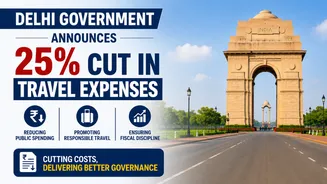
The Delhi government has announced a 25% reduction in official travel expenses as part of a larger austerity and fuel-conservation drive, a move that comes
at a time when rising global tensions and economic uncertainty are beginning to affect household costs across India. While the decision mainly applies to government departments and officials, it has sparked wider conversations about public spending, inflation and the growing pressure on fuel resources.
What Is The Announcement?
According to reports, departments have been asked to reduce non-essential travel, prioritise virtual meetings where possible and cut back on avoidable expenditure linked to transport and official movement. The move is being seen as both a cost-saving measure and a symbolic attempt to encourage responsible energy consumption during a period of global instability.
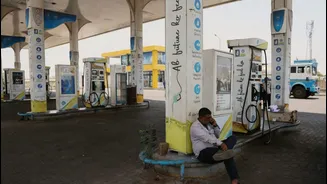
The announcement comes amid continued geopolitical tensions and conflict-driven disruptions across parts of the world, which have already pushed up concerns around fuel prices, supply chains and the cost of imported goods. Even when wars are happening far from India, they often impact crude oil markets globally, and since India imports a large portion of its oil, any increase in international prices can eventually affect everyday consumers.
What Does It Mean For Ordinary People?
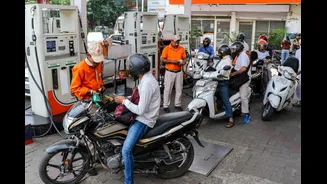
For ordinary people, the Delhi government’s decision does not directly mean restrictions on personal travel or public transport. Metro services, buses and regular commuting remain unaffected. However, the larger concern is the economic environment surrounding the decision. Over the past few months, many families have already noticed rising prices in essentials such as groceries, transport, electricity and travel-related expenses.
When governments begin introducing spending cuts and fuel-saving measures, it is often viewed as an attempt to prepare for uncertain economic conditions ahead. Experts say such decisions are usually aimed at controlling unnecessary expenditure before inflation worsens further.
The move also reflects a growing shift towards digital governance. Officials are expected to rely more on video conferences and online meetings instead of frequent inter-department travel. In many ways, it mirrors changes first seen during the pandemic, when remote coordination became common across offices and institutions. At the same time, the announcement has triggered debate online. Some people have welcomed the decision, arguing that governments should lead by example during financially difficult periods. Others believe austerity measures alone may not be enough if inflation and fuel prices continue to rise globally.
The Psychological Impact
There is also a broader psychological aspect to such announcements. During periods of economic stress or geopolitical uncertainty, governments often introduce visible cost-cutting measures to reassure citizens that spending is being monitored carefully. Even symbolic reductions can send a message about caution and preparedness.
For Delhi residents, the immediate impact may be limited, but the announcement offers insight into how governments are responding to a rapidly changing economic climate. As fuel prices, travel costs and daily expenses continue to remain unpredictable worldwide, more policy decisions focused on savings and resource management could follow in the coming months. For now, the 25% cut is less about restricting citizens and more about reducing administrative spending at a time when financial caution is becoming increasingly important everywhere.