






What is the story about?
For years, travel has been about doing more. More landmarks, more activities, more photos and more packed itineraries. But a new travel trend is encouraging
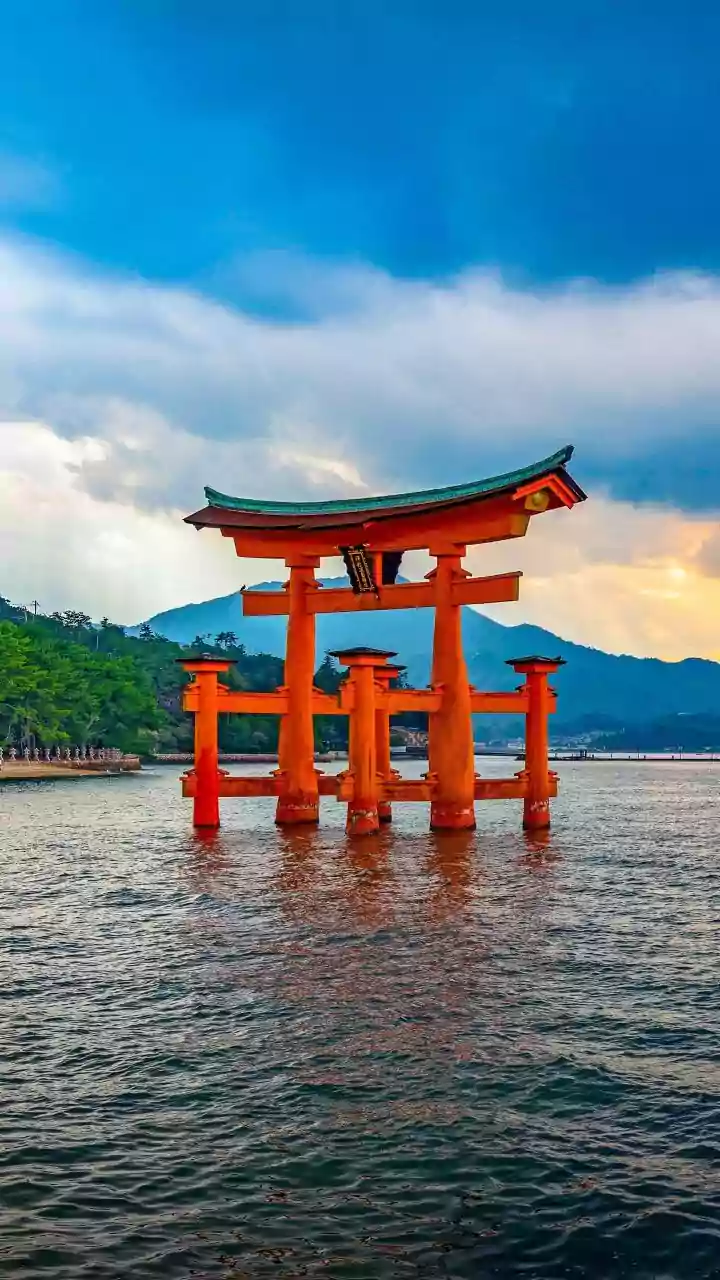
people to do the exact opposite. It is called 'dusking,' and its entire premise revolves around one simple idea: slowing down long enough to watch the day come to an end.
What Is Dusking Travel Trend?
Dusking is the latest wellness-inspired travel movement gaining attention around the world. Rather than rushing from one attraction to another, travellers are intentionally setting aside time at dusk to sit quietly and observe the transition from daylight to darkness. No phones, no distractions, no agenda. Just a view, a few moments of stillness and a sunset. The trend has been linked to older traditions in parts of Europe, particularly the Dutch practice of quietly observing twilight, and is now finding a new audience among travellers looking for more mindful experiences.
The rise of dusking reflects a broader shift in how people are travelling. Instead of collecting destinations like trophies, many travellers are seeking experiences that help them reconnect with nature, reduce stress and escape the constant pressure of productivity. Travel experts have noted that modern travellers are increasingly choosing slower, more intentional journeys that prioritise wellbeing and meaningful moments over packed schedules.
Part of the appeal is its accessibility. Unlike luxury wellness retreats or expensive travel experiences, dusking requires almost nothing. You do not need special equipment, a guide or even a famous destination. According to advocates of the practice, all you really need is a chair and a view. Whether it is a beach, a mountain, a city skyline or even a balcony overlooking a neighbourhood, the experience remains the same: pausing to witness a daily natural phenomenon that many people usually rush past.
How The Trend Shaped Up?
Social media has also played a role in the trend’s popularity. Sunset images have long dominated travel feeds, but dusking takes things a step further. Rather than chasing the perfect photograph, it encourages travellers to actually experience the moment. Ironically, a trend born in part from social media fascination is now asking people to put their phones away and simply be present.
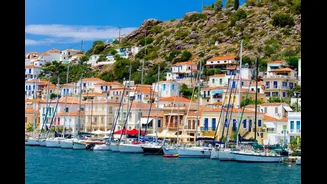
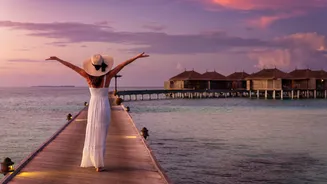
Some destinations have become particularly associated with the trend. Places such as Santorini in Greece, Bali in Indonesia, the Amalfi Coast in Italy and the Maldives are being highlighted for their spectacular dusk views and atmospheric settings. Travel companies have even begun creating rankings based on sunset quality, weather conditions and traveller interest.
What makes dusking stand out from other travel trends is its simplicity. In an era when every moment seems designed for optimisation, twilight offers a rare opportunity to do absolutely nothing. There are no tickets to buy, no queues to join and no checklist to complete. The reward is simply a few minutes of calm as the sky changes colour and the world slows down.
Perhaps that is why dusking is resonating with so many people. It reminds travellers that sometimes the most memorable part of a journey is not a famous attraction or an adrenaline-filled adventure. Sometimes, it is just sitting still and watching the sun go down.