





India's temple towns - which are also the ancient hubs of devotion and culture - are suddenly at the center-stage as a part of the policy push that could
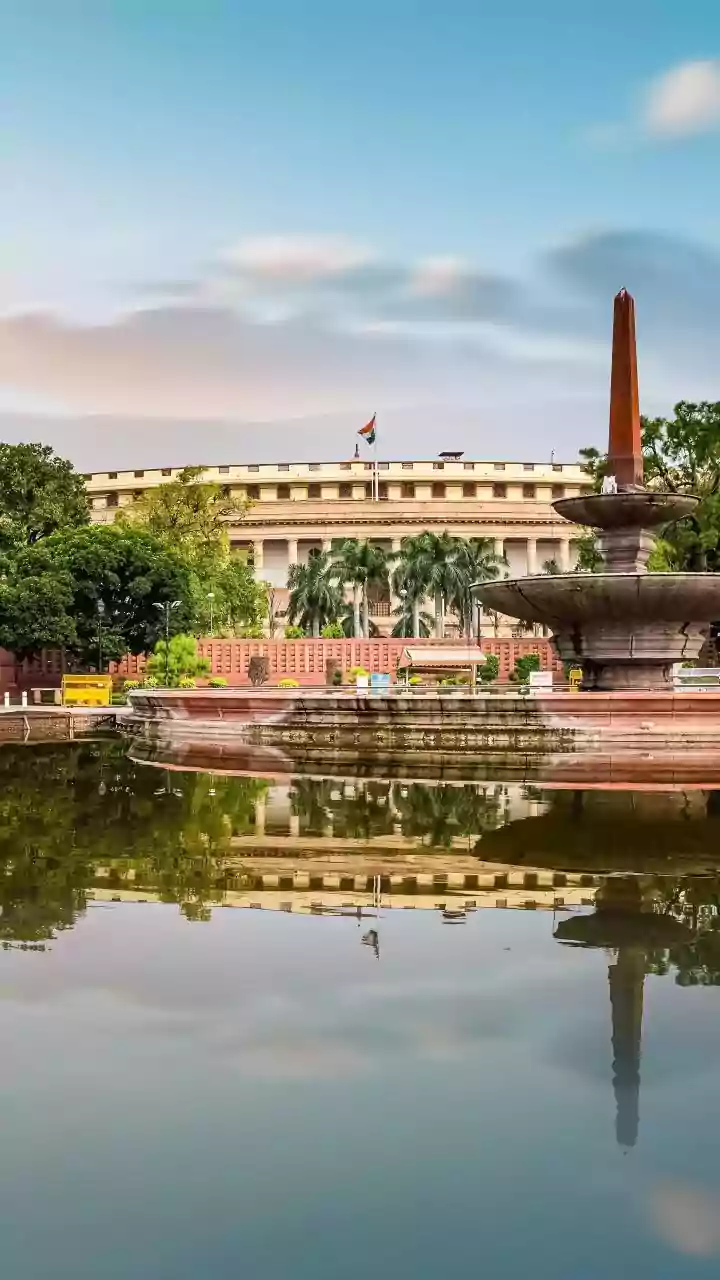
reshape their future as tourist destinations. In the Union Budget 2026 speech, Finance Minister Nirmala Sitharaman highlighted a shift: the government will expand focus beyond metros to strengthen infrastructure in Tier-II and Tier-III cities, especially the temple towns. This emphasis is being operationalised through the new City Economic Regions (CERs) programme, under which the government has proposed competitive allocations (₹5,000 crore per CER over five years) to implement region-specific plans that focus on improving connectivity and liveability. Now, what this means for tourism is twofold: Firstly, it implies to having better roads, public transport, sanitation, and tourist-facing amenities. All of these things will make visiting these towns easier and more attractive. Second, the CER approach is treating these temple towns as economic ecosystems, basically, places where festivals, handicrafts, hospitality and logistics create year-round livelihoods rather than just seasonal surges.
What Are Temple Towns?
For the unversed, Temple towns are cities that have evolved around a prominent temple, or even a cluster of temples. Unlike standalone religious sites, these temple towns have the ability of integrating faith into everyday life.
Historically speaking, these temple towns were not just isolated spiritual spaces. They were centres of education, art, music, dance and trade. Ancient temples, in fact, acted as custodians of land, wealth and knowledge. Even today, walking through a temple town reveals layers of history.
What Is Temple Tourism And Why Is It Peaking In India Right Now?
Temple tourism refers to travel which is primarily being done to visit temples and sacred sites. In India, temple tourism is one of the largest segments of domestic travel. For many travellers, it is not just about religious obligation but also about tradition, architecture and even a sense of connection.Improved highways, rail connectivity, and regional airports are some of the reasons as to why is temple tourism peaking in India. All of these factors have made once-remote temple towns more accessible now. Government-led urban renewal projects have also further improved visitor facilities.
Additionally, there is also a cultural shift underway. As per the post-pandemic travel trends, there is a strong preference for domestic destinations, slow travel and experiences which are rooted spiritually. And this is where spiritual tourism comes into the picture. In 2024, Agoda reported a significant uptick in searches for spiritual hubs across the country.
Compared to the same period in 2023, inbound searches for these destinations rose up by 4%, while domestic searches have surged by 10%.
Krishna Rathi, Senior Country Director, India Subcontinent and MEA at Agoda, commented on the growing trend, saying, "As the year draws to a close, the festive season offers the perfect opportunity for travellers to connect with India’s rich spiritual and cultural traditions. The rising interest in spiritual destinations throughout India reflects travellers' evolving preferences for more enriching and culturally immersive experiences."
Different Temple Towns In India
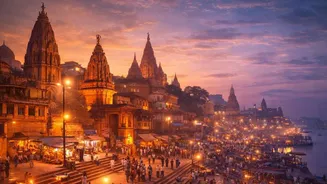
India's temple towns span regions, architectural styles, and even religious traditions.In the north, Varanasi stands as one of the world's oldest living cities - where the sacred Ganga and ancient temples define life. Mathura and Vrindavan, which are associated with Lord Krishna, attract devotees year-round, especially during Janmashtami and Holi.
Eastern India is home to Puri. It is known for Jagannath Temple and the annual Rath Yatra, which is one of the largest religious gatherings in the world. In the west, Dwarka and Somnath are some of the key stops in major Hindu pilgrimage circuits.
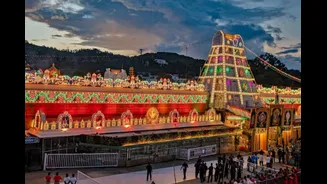
Southern India also features some of the most architecturally complex temple towns. Madurai is all about Meenakshi Amman Temple. On the other hand, Tirupati is among the most visited religious destinations globally. Rameswaram and Kanchipuram are also known for their spiritual significance.
In central India, Ujjain holds deep religious importance. Hill temple towns such as Kedarnath and Badrinath are also prominent.