


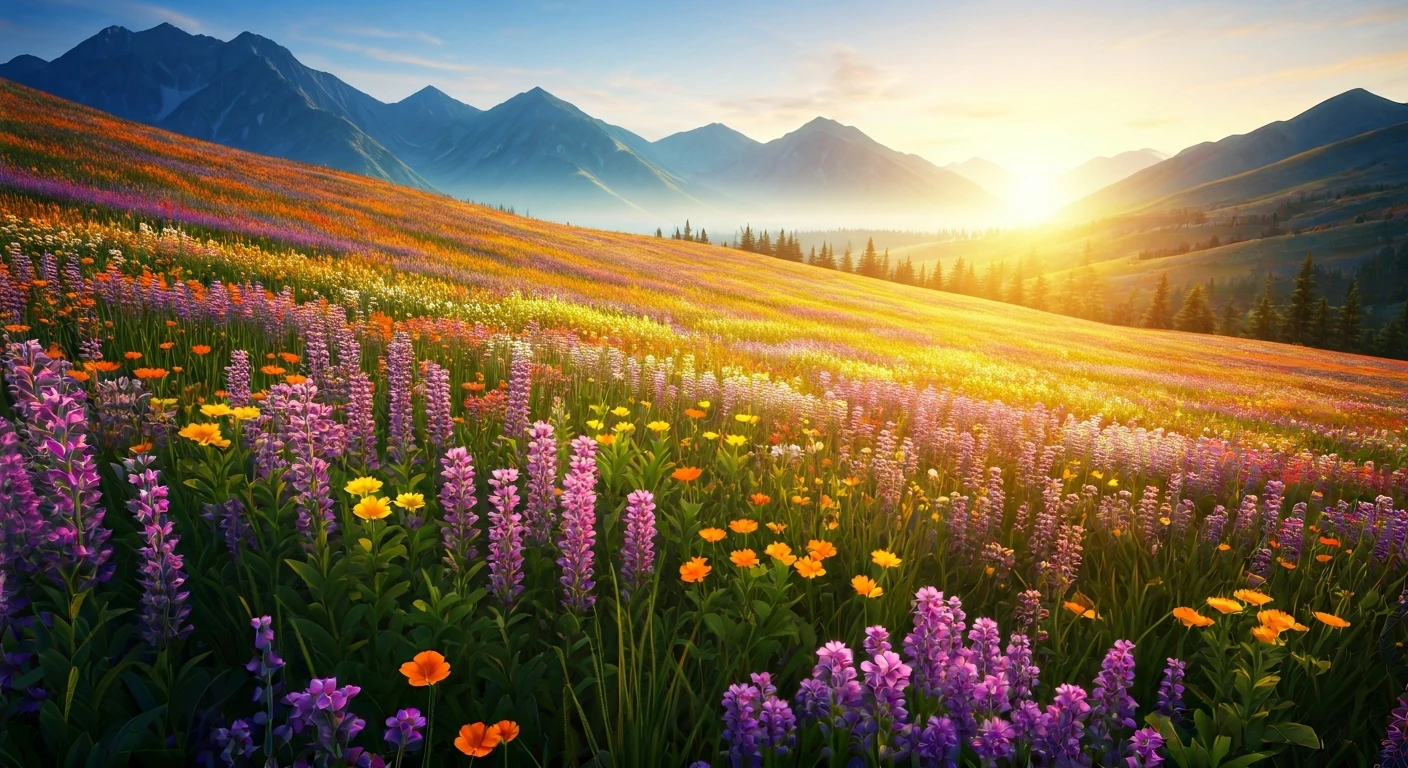
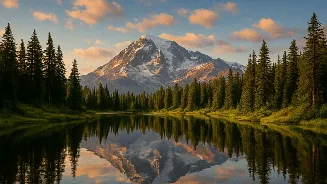
In the stunning landscapes of Ladakh, where ancient culture reaches and welcomes snow-capped mountains, a unique art festival is changing the way people
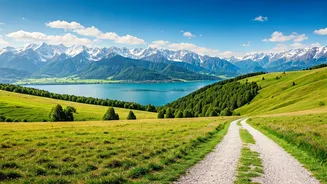
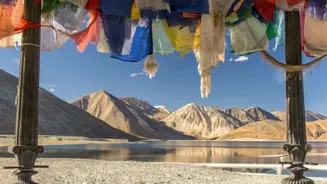
experience travel and creative expression. The sã Ladakh Biennale - one of the world’s most “highest” art biennales - comes back this August with installations, performances, and conversations across the Leh-Kargil corridor. Eschewing the standard gallery exhibition, the biennale engages art with climate change, local culture, memory, and regeneration. The festival takes place in one of the most fragile and beautiful faces of India, and offers a chance to see Ladakh beyond tourism and postcards. sã Ladakh Biennale was founded in 2023 as a contemporary art festival that is both creative and ecological, a way to weave a narrative. "Sã" in the Ladakhi language means 'soil', and the word reflects the relationship between land, identity, and community. sã Ladakh Biennale is a platform for dialogue about climate change, tourism, and sustainability, it's not just visual art. The festival brings together artists, travelers, and local people through exhibitions and performances that are a response to Ladakh's ecological and social realities. Ladakh’s spectacular landscape is one of the most breathtaking places to be on Earth - but beneath the beauty lies a fragile ecosystem that is increasingly threatened by climate change and tourism pressure. Melting glaciers, water shortages, ecological imbalance - these are all issues facing local communities. An art biennale in this context offers a powerful link between art and conservation. The mountains, rivers, monasteries, remote villages - they are not just picturesque locations, but participants in a dialogue about how to face the challenges and preserve life in the Himalayas.
Art Beyond Traditional Gallery Spaces
One of the most remarkable features of the sã Ladakh Biennale is its nonconformity to the standard gallery culture. No glossy white walls, no main exhibition room in an urban setting. Artworks are exhibited on open landscapes, at heritage sites and in villages along the route from Leh to Kargil. You can experience art in dialogue with nature and local culture. A sculpture opposite mountain cliffs and an installation close to a monastery is visceral and emotional, it engages the landscape in an artistic act.The 2026 biennale is staged at eight venues: Kargil, Mulbekh, Heniskot, Lamayuru, Nurla, Likir, Basgo and Leh. In total, the festival covers a distance of 230 kilometres. Each place has a unique character and ambience. Lamayuru’s moony landscape, Basgo’s ancient ruins and Leh’s bustling cultural centres constitute very different environments for artistic encounters. The festival does not have a single base – visitors instead travel through Ladakh itself, making the journey an integral part of the festival experience.
A Celebration of Ladakhi Culture and Communities
The sā Ladakh Biennale is not an exhibition of art-it is a creative act that responds to real problems. Regeneration, climate resilience, memory, and lived experience are central themes. Artists are invited to produce work that addresses the Mountain's changing environment and social concerns directly. Performances, installations, and discussions are part of a wellspring of inspiration, encouraging audiences to reflect upon the impacts of tourism, climate change, and modernization on fragile pastoral mountain communities and their way of life.It also celebrates Ladakh’s cultural heritage and people. The biennale’s route is an area where visitors can witness traditional constructions, local art forms, Buddhist heritage, and ancient storytelling in the living. Traditional art is brought into villages and public spaces rather than setting it apart from ordinary life. Local involvement has a significant part in defining the character of the biennale. This will ensure the festival encourages community participation and provides travelers with a more profound experience of Ladakh beyond its tourist spots.
How to reach to the festival
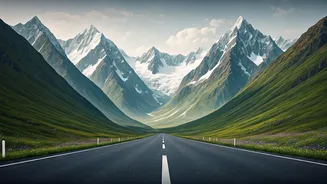
Tourists can get to Ladakh via the Kushok Bakula Rimpochee Airport and the biennale route from Leh can be traveled out from taxis, buses or these rented bikes. The festival is spread over the stunningly beautiful Leh-Kargil highway, making it a perfect road trip through the Himalayas. Tourists can also reach through either of the renowned Manali-Leh or Srinagar-Leh highways, famous for their magnificent mountainous scenery and incredible treks!The weather in Ladakh is notoriously unpredictable, even in the summer, and visitors should be prepared for sunshine and rain, strong winds and cold. Bring warm layers, sunscreen and comfortable, good walking shoes. Because the region is at a high altitude, you should give yourself time to acclimatize to prevent altitude sickness. Organizers also want visitors to be responsible travelers who minimize waste and respect local culture and traditions. The festival is free of charge, which is great for travelers who crave both art and an interesting, meaningful cultural experience.