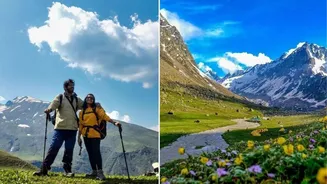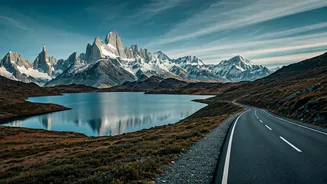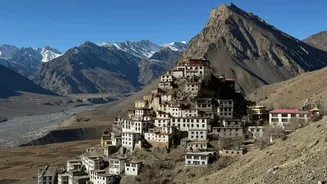






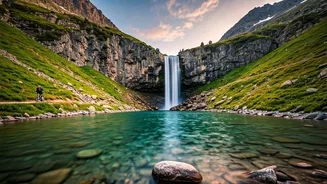

There are mountain destinations that you visit for the views, and then there is Spiti - a place where the world stops making sense in the best possible
way. Where the air thins and the landscape turns so stark, so lunar, that you half-expect to see a space rover trundling across the valley floor. This is Spiti in May - before the summer travellers take over, before the roads become clogged with convoys, before every guesthouse hangs a "No Room Available" sign. This is Spiti at its most honest, most raw, and most breathtaking! Also Read: sã Ladakh Biennale 2026: The World's Highest Art Festival Returns To The Himalayas May is the month of transition between Spiti's brutal winter and its brief, intense summer. This is when snow still clings at the higher passes, rivers run cold and turquoise with all the glacial melts and the monasteries sit in isolation against the cobalt skies. Visiting during this month means experiencing the valley in a state of awakening - when locals emerge from months of snow-bound stillness, cafes open their doors for the first time since autumn and roads become passable not crowded.
The Magic Of Shoulder Season
Peak tourist season in Spiti Runs from June to September - when the weather is the warmest and all routes tend to open. But the "peak" season comes with its own cons: packed jeeps on single-lane mountain roads, waiting lists at popular homestays, and that disappointment when you arrive at a centuries-old monastery only to find it overrun with selfie sticks.But the month of May cancels all of this. The Manali-Spiti route usually opens by mid-May, once the snow clears from Rohtang Pass and Kunzum La, while the Shimla-Kinnaur-Spiti route via Nako and Tabo remains accessible year-round. Arriving in May means you'll encounter road crews still clearing the last of the winter debris and guesthouses genuinely happy to see you.
Must-Visit Destination In Spiti Valley
Kaza: This is Spiti's administrative headquarters and serves as the natural base for exploration. At roughly 3,800 metres, it is high enough to demand acclimatisation but low enough to sleep comfortably once you have adjusted. Spend a day here before pushing higher: wander the market, drink butter tea, and let your body catch up with the altitude.Langza: This is half an hour from Kaza and is famous for 2 things: a massive Buddha statue overlooking the village and one of the richest fossil beds in the Himalayas. The hills here, have been littered with marine fossils - ammonites, trilobites, remnants of a time when this desert was an ocean floor. Walking through Langza in May, with prayer flags snapping in the wind, is a lesson in deep time.
Hikkim, which is just nearby, holds the distinction of hosting the world's highest post office. Send a postcard, if only for the novelty. Komic, which is just beyond, is one of the highest inhabited villages with a motorable road. The monastery here is small but beautiful.
Dhankar, which is the ancient capital of Spiti, clings to a crumbling cliff face in defiance of gravity. The old fort-monastery complex is a photographer's dream. The lake beyond, Dhankar Lake, requires a short trek.
And of course, no trip to Spiti is complete without Chandratal. Situated at 4,300 metres near Kunzum Pass, the lake opens sometime in May. Camping here overnight, watching the lake shift from turquoise to silver as the light changes, is the kind of experience that stays with you.
How To Reach Spiti Valley?
- By Road: Travellers can reach Spiti by road from Manali or Shimla. Road trips are the most scenic way to explore the region.
- By Air: The nearest airport is Bhuntar near Kullu. From there, taxis or buses are available to reach Spiti Valley.
- By Train: The nearest railway station is Kalka. From here, you will have to book a taxi.