




What is the story about?
It's time to hit a pause on the retinol serums, completely forget the cold plunges and the collagen powders stirred into morning coffee. If a new study
out of Edith Cowan University is anything to go by, the single best thing you can do for your body might be to book a flight.
Travel More, Says Study
Researchers have proposed that positive travel experiences, the kind involving new places, steady movement, and genuine human connection, may help slow some of the biological processes associated with ageing. The work, published in the Journal of Travel Research, applies the physics concept of entropy to tourism. In simple terms, the universe moves toward disorder, and so do our bodies over time. Travel, the researchers argue, might help push back against that drift.
"Ageing, as a process, is irreversible. While it can't be stopped, it can be slowed down." That quote comes from ECU PhD candidate Fangli Hu, who led the research. And while the science is still developing, the mechanisms she points to are not abstract. Walking through an unfamiliar city raises your metabolic activity. Navigating a new culture stimulates your immune system. Laughing over dinner with people you didn't know last week does something quiet and measurable to your stress hormones. Put it all together, and you have what the researchers describe as a low-entropy state, a body that is functioning, adapting, and repairing itself rather than quietly winding down.
What Happens When You Travel More?
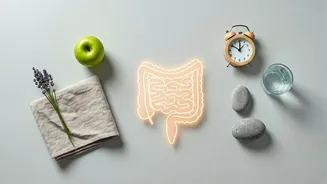
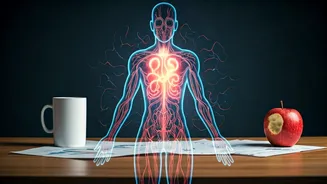
The study highlights four body systems that travel may benefit, immunity, metabolism, stress recovery, and what the researchers call the body's self-healing system, the release of hormones that support tissue repair and regeneration. It's a compelling list, and it maps neatly onto what most seasoned travellers will tell you they feel after a good trip, aka, lighter, clearer, somehow younger than when they left.
There's a catch, of course. The researchers are careful to note that not all travel is created equal. Gruelling itineraries, unsafe destinations, bad food, and chronic exhaustion can have the opposite effect, pushing the body toward disorder rather than away from it. The pandemic, Hu notes, is the starkest example of tourism gone wrong at scale. So no, a sleepless budget connection via three airports does not count as anti-ageing therapy.
What does count, it seems, is travel that combines novelty with rest, movement with meaning. The kind where you walk more than you usually do, eat things you can't name, talk to strangers, get briefly and pleasantly lost. The kind that leaves you with the particular tiredness of a full day, the sort that leads to deep, untroubled sleep.
Scientists will keep working to understand exactly how much benefit travel offers, and for whom it works best. But in the meantime, the message is refreshingly simple. That trip you've been putting off? It might be exactly what the doctor ordered. Go.