





What is the story about?
Tucked away in the hills of West Sikkim, there’s a place most people overlook—a royal city that time nearly erased. History lovers and adventurous travellers
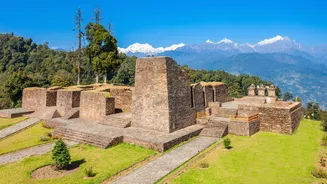
call Rabdentse the ‘Machu Picchu of India.’ It sits on a forested ridge, gazing down into deep valleys with the Kanchenjunga range rising in the distance. Though centuries have chipped away at its walls, Rabdentse still retains a certain grace, an air of mystery, and a peace that feels almost sacred.
Rabdentse: The Lost Capital of Sikkim
Rabdentse wasn’t always a set of silent ruins. Back in 1670, Tensung Namgyal—son of Sikkim’s first Chogyal, Phuntsog Namgyal—chose this spot to be the kingdom’s second capital. For over a hundred years, it was the centre of Sikkim’s politics and spiritual life. Dense forests wrapped the city in a natural fortress, making it a smart choice for a capital.But nothing lasts forever. In the 18th century, Gurkha invasions battered Rabdentse until the royal seat had to move somewhere safer. People left, and Rabdentse faded into legend. Now, you find only weathered stone walls, broken courtyards, and old chortens that seem to murmur tales of royal rituals and lost devotion.
Why Rabdentse Is Called the Machu Picchu of India
Much like Machu Picchu in Peru, Pemayangtse Monastery sits high above the valleys, hidden among forests and clouds. The setting feels dramatic and timeless. The ruins blend naturally into their surroundings, with mountain views opening up at every turn. There is a sense of quiet isolation here, as if the city chose to disappear rather than fade loudly. The comparison also comes from its historical importance, architectural remains, and spiritual atmosphere. Walking through Rabdentse feels less like visiting a monument and more like stepping into a forgotten chapter of history.
Exploring the Rabdentse Ruins
Getting to Rabdentse isn’t complicated, but it does take a little effort. You follow a trail under chestnut trees—a short, gentle climb. At the entrance, a stone gateway opens to breathtaking views of the Kanchenjunga range and the nearby Pemayangtse Monastery.
The ruins are divided into two main sections. The northern section was reserved for the royal family. Here, you can see an open quadrangle with three chortens where the royals prayed. A seven-foot-long white marble slab lies here, which locals still worship. According to legend, a single person carried this heavy slab up the hill. This spot is believed to be where a monastery called Risum Gompa once stood.
The southern section was meant for public and religious gatherings. It includes the king’s stone throne and areas where common people would come to pray or seek an audience with the ruler.
Best Time to Visit Rabdentse
If you want Rabdentse at its best, come between March and May. The weather’s pleasant, cool in the mornings and never too hot. Skies stay clear, and Kanchenjunga looks especially grand. September to November works, too. The air turns crisp and the crowds thin out.Places to Visit Near Rabdentse
There’s plenty to discover nearby. Pemayangtse Monastery offers both spiritual depth and beautiful old architecture. Khecheopalri Lake, about 26 kilometers away, is a sacred place—locals believe it grants wishes, and forests wrap around it like a secret. If you’re drawn to nature, check out Kanchenjunga Waterfalls or the Singshore Bridge, one of Asia’s highest suspension bridges. Inside the Rabdentse complex, Sidkeong Tulku Bird Park attracts birdwatchers hoping to spot rare Himalayan species.