
The Terafab Unveiled
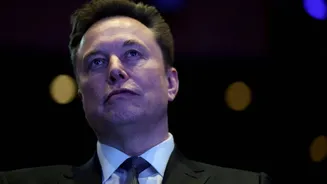
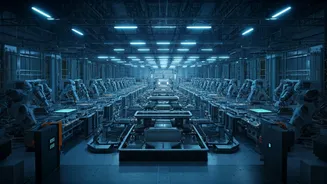
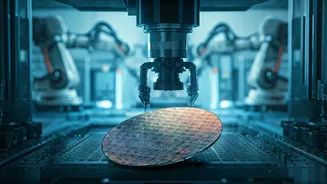
Tesla's CEO, Elon Musk, has announced an ambitious new project called 'Terafab,' designed to establish the company's own facility for manufacturing artificial
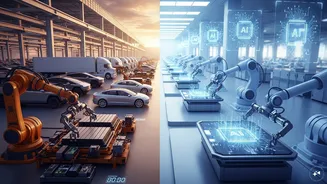
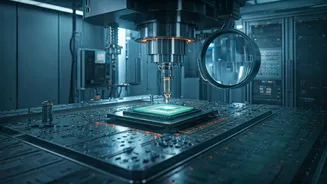
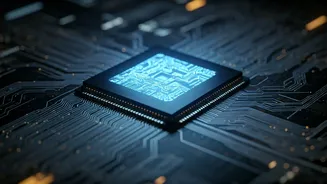
intelligence chips. This state-of-the-art plant is slated to commence operations remarkably soon, potentially within the next seven days from the announcement. The primary objective of Terafab is to produce significant quantities of advanced processors that are crucial for powering Tesla's sophisticated artificial intelligence systems, especially those integrated into their electric vehicles for features like autonomous driving. This strategic development follows Musk's earlier discussions about building a large-scale chip fabrication plant, a concept he reiterated and officially named 'Terafab' in November of the previous year. The move underscores Tesla's commitment to advancing its AI technology and securing a reliable, high-volume supply of the specialized chips it requires.
Addressing Supply Chain Gaps
A key driver behind the Terafab initiative is Tesla's growing concern about meeting its escalating demand for AI processors. Musk has previously expressed that the anticipated production capacity from current suppliers and partners might fall short of Tesla's future requirements, even under the most optimistic projections. This potential shortfall was highlighted at Tesla's annual shareholder meeting, where Musk emphasized that even with the best-case scenarios for external chip production, the volume would still be insufficient. To bridge this gap and ensure a consistent supply of cutting-edge chips essential for their autonomous driving systems and Full Self-Driving software, Tesla is exploring the possibility of becoming its own semiconductor manufacturer. This strategic pivot aims to mitigate external dependencies and gain greater control over the technological roadmap for its AI hardware.
Strategic Partnerships and Future Vision
While embarking on the Terafab venture, Tesla has also maintained collaborations with established semiconductor giants. The company has previously engaged in discussions with industry leaders like Intel regarding potential partnerships for chip production. Furthermore, Tesla has confirmed ongoing collaborations with Taiwan's TSMC and South Korea's Samsung for advanced AI chip development and manufacturing. These partnerships are vital for leveraging existing expertise and production capabilities. The Terafab project, however, represents a significant leap towards vertical integration, allowing Tesla to potentially transform into a comprehensive device manufacturer that designs and produces its own semiconductors. This long-term vision positions Tesla to not only meet its current AI processing needs but also to drive innovation in chip design and manufacturing for future technological advancements.