








Weight Loss Drugs & Vision
Recent discoveries have raised concerns that certain popular weight loss medications, similar to Ozempic, might pose a risk of eye stroke. While these
drugs are effective for managing obesity and diabetes, this potential side effect has sparked significant worry among millions. It underscores the need for a thorough understanding of all possible outcomes when considering these powerful treatments. The medical community is actively investigating the correlation to ensure patient safety and provide clear guidance on managing this unforeseen complication. This development highlights the ongoing dialogue between therapeutic benefits and potential adverse effects in pharmaceutical development.
Heart Health Medications
During Heart Failure Awareness Week, cardiologists have identified a core group of nine essential medications beneficial for managing heart failure. Diuretics, for example, are frequently prescribed to help the body eliminate excess fluid, thereby reducing strain on the heart. This emphasis on medication serves as a reminder that while lifestyle changes are crucial, pharmaceutical interventions play a significant role in preventing and treating this serious condition. Understanding the purpose and function of these commonly used drugs is vital for patients and caregivers alike. The consistent use and monitoring of these treatments are key to improving patient outcomes and quality of life.
HPV Vaccination's Scope
The Human Papillomavirus (HPV) vaccine is a crucial tool for preventing various cancers, including cervical cancer in women. However, its importance extends equally to men, as it offers protection against other HPV-related cancers. This highlights a critical public health message: gender should not be a barrier to receiving this vital inoculation. Promoting widespread vaccination among all genders is essential for eradicating certain cancers and safeguarding long-term health. The vaccine's role in preventative care underscores its value as a proactive health measure for everyone, regardless of gender identity.
Antibiotic Resistance Threat
The proliferation of 'superbugs' has significantly exacerbated the problem of antibiotic resistance over the years. Research, like that conducted by economist Jim O'Neill in 2014, revealed the alarming scale of this issue, projecting that by 2050, untreatable infections could claim more lives than cancer or diabetes combined. This growing challenge necessitates a serious re-evaluation of how antibiotics are used. The evolution of bacteria to withstand these drugs means that common infections could become life-threatening, demanding urgent global strategies for antimicrobial stewardship and the development of new treatments. The urgency to address this crisis cannot be overstated, as it poses a fundamental threat to modern medicine.
Judicious Drug Use
Self-medication, particularly with antibiotics, carries significant risks and should be avoided. Doctors emphasize that when antibiotics are necessary, a healthcare professional must carefully determine the correct medication, dosage, and treatment duration. This personalized approach accounts for potential side effects, contraindications, and drug interactions, factors often disregarded in self-prescribing. The improper use of antibiotics not only fails to treat the intended infection but also contributes to the escalating problem of antibiotic resistance, making future treatments more difficult and less effective. Consulting a doctor is paramount for safe and effective healthcare.
Alternative Health Approaches
Ayurveda offers traditional insights into managing chronic conditions like diabetes. It suggests avoiding foods that aggravate 'Kapha,' such as dairy and heavy oils, which can impede digestion and metabolism. For those living with diabetes, embracing these dietary principles and integrating Ayurvedic practices can complement conventional medical treatments. While not a replacement for medical care, these holistic approaches can contribute to better blood sugar control and overall well-being. Exploring such complementary therapies can provide a more comprehensive strategy for managing long-term health challenges.
Regenerative Medicine's Potential
Regenerative medicine holds immense promise for treating various ailments, though it's crucial to understand its current limitations. A common misconception is that it can cure all diseases. While the field is advancing rapidly, with some procedures well-supported by data, many newer therapies are still in early developmental stages. It is not a universal remedy, but rather a field with significant potential for future breakthroughs in disease management and tissue repair. Patients should maintain realistic expectations and consult with medical professionals about the specific applications and efficacy of regenerative treatments.
Cancer Care & Ayurveda
In India, managing cancer presents multifaceted challenges, including socioeconomic disparities and issues with healthcare accessibility and affordability. While conventional treatments are primary, the role of supportive therapies like Ayurveda is being explored. Ayurveda aims to address not only the disease itself but also the side effects of treatment and the patient's overall well-being. Bridging care gaps and reducing the financial burden on patients are critical areas that require immediate attention within the healthcare system. Integrating holistic approaches can potentially enhance the quality of life for cancer patients.
Drug Bans & Safety
The Indian government has taken steps to enhance drug safety by banning approximately 156 drug combinations, including widely used ones like Paracetamol and Cetirizine. This action was prompted by safety concerns, with a review also underway for 34 additional multivitamins. Such measures reflect a commitment to safeguarding public health by removing potentially unsafe or ineffective fixed-dose combinations from the market. This regulatory oversight is vital for ensuring that medications available to the public meet stringent safety and efficacy standards, protecting consumers from undue risks associated with pharmaceutical products.
Organ Donation Guidelines
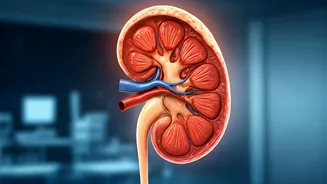
For individuals considering organ donation, particularly kidney donation, adopting specific lifestyle changes is crucial for long-term health. Nephrologists advise rigorous kidney care post-donation to minimize the risk of future illnesses. These recommendations typically encompass a range of health-conscious habits aimed at preserving the remaining kidney's function. Prioritizing these lifestyle adjustments is essential for the donor's continued well-being and underscores the importance of responsible organ donation practices.