





AI Race Escalates
In a move underscoring the fierce competition within the artificial intelligence arena, Microsoft's chief executive, Satya Nadella, has reportedly sounded
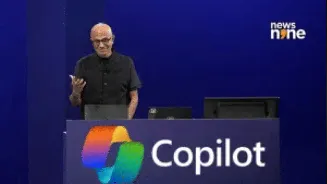
a "Code Red" for the company's AI Copilot. This designation signals an urgent and significant push to re-evaluate and enhance Microsoft's flagship AI assistant. The directive stems from the intense pressure Microsoft faces as other major technology players, including Google and OpenAI, aggressively invest in and develop cutting-edge AI technologies. The current AI landscape is characterized by a relentless pace of innovation, where companies are striving to seamlessly integrate advanced AI into their product suites to secure a competitive advantage. This "Code Red" highlights Microsoft's strategic imperative to not only keep pace but to lead in this transformative technological race, recognizing that market leadership in AI is fluid and requires constant vigilance and proactive development. The urgency reflects the high stakes involved in dominating the AI market and ensuring its technologies remain at the forefront of user expectations and industry advancements.
Copilot Overhaul Focus
While the specifics of this critical overhaul remain largely under wraps, the overarching objective is to significantly elevate Copilot's performance, expand its functional capabilities, and refine the overall user journey. This extensive recalibration is expected to encompass crucial areas such as improving the AI's capacity for understanding natural language nuances, enhancing its logical reasoning abilities, and integrating the latest generation of advanced AI models. Microsoft's deep-seated commitment to artificial intelligence is demonstrably clear through its substantial financial investments and its carefully orchestrated strategic partnerships within the AI ecosystem. The company has long been a formidable presence in the AI domain, leveraging its robust Azure cloud infrastructure alongside a diverse array of AI-powered tools and services. Copilot, specifically, is designed to serve as an indispensable assistant across a broad spectrum of user activities, from the creative endeavors of writing and coding to the analytical demands of data interpretation and the customer-centric needs of support services. The "Code Red" designation itself signifies an immediate and pressing need for swift, decisive action to address any identified weaknesses or to accelerate the trajectory of its development, a crucial strategy in the dynamic and rapidly shifting AI industry where market positions can be established or lost with astonishing speed.
Strategic Azure Allocation
A significant point of strategic consideration within Microsoft's AI ambitions is the allocation of its vast Azure cloud capacity. Industry analysts have noted that a substantial portion, approximately 30%, of the new cloud capacity deployed in the past quarter was internally dedicated to Copilot and the ongoing development of sophisticated large language models. This intensive internal utilization raises important questions about resource distribution and potential conflicts. Experts suggest that this could inadvertently create tensions with external partners, such as OpenAI, who are also heavily reliant on Azure for their own AI operations. Despite these internal resource demands, the overall demand for AI workloads continues to experience an unprecedented surge. The company's future growth trajectory can be reasonably projected by observing the escalating usage of AI tokens and the consistent rise in Graphics Processing Unit (GPU) prices, which are indicative of the immense computational power required to drive these advanced AI systems, even amidst the internal consumption pressures.
Market Confidence and AI
The market has reacted to recent developments with a degree of caution, as evidenced by some pressure on Microsoft's stock performance. The stock has been observed trading below key moving averages, including the 20-day and 100-day benchmarks, indicating a potential shift in momentum. Earlier in the year, a bearish technical indicator known as a "death cross" appeared, suggesting a period of downward pressure. While overall momentum remains subdued, analysts are observing potential signs of stabilization. Key resistance levels are identified around the $413 mark, while support is found near $356, suggesting that the stock is currently navigating a consolidation phase. In this context, Microsoft's effectiveness in executing its AI strategy is paramount to maintaining investor confidence and securing its position as a leader in the technology sector. The "Copilot code red," as initiated by Nadella, represents a broader challenge: the imperative to harmonize ambitious AI innovation with sound financial management. The company continues to meticulously manage capital expenditures, optimize free cash flow, and refine its long-term monetization strategies. Despite maintaining a robust cash flow margin, close to 20%, the successful implementation of its AI initiatives will be the defining factor for its future success and market leadership.