








Compute: The AI Engine
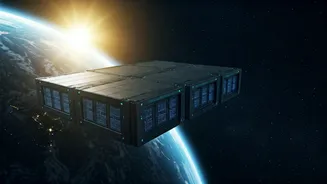
The availability and strategic allocation of computing power are paramount to Anthropic's operations, as highlighted by CFO Krishna Rao. He likens compute
to the fundamental canvas upon which all AI development is built, emphasizing that decisions regarding its acquisition are among the most critical and complex within the organization. Rao dedicates a substantial portion of his time, approximately 30% to 40%, to these compute-related strategic choices. Anthropic’s approach involves navigating multiple chip architectures and deploying compute for both its internal developmental needs and external client-facing applications. This sophisticated management of resources is the result of continuous optimization, evolving from earlier generations of technology like third-generation TPUs. The company has proactively secured substantial compute capacity through significant agreements, including a 5-gigawatt deal with Google and Broadcom for TPUs commencing in 2027, and a similar commitment with Amazon for Trainium chips, collectively representing an investment exceeding $100 billion. A considerable part of this procured compute is already integrated into their systems and will continue to be deployed throughout the current year, underscoring the rapid pace of their infrastructure expansion to meet growing demands.
AI's Promise and Perils
Krishna Rao expresses deep enthusiasm for the transformative potential of artificial intelligence, envisioning its capacity to bring about significant real-world advancements. He specifically points to AI's ability to revolutionize areas such as medical treatment for rare diseases, elevate global living standards, and propel societal progress on a broad scale. However, alongside this optimism, Rao strongly advocates for a transparent acknowledgment of the risks associated with AI development and deployment. He believes that it is crucial for Anthropic, as part of its organizational culture, to openly articulate these potential downsides rather than presenting an exclusively positive outlook. This balanced perspective, he argues, fosters greater trust among stakeholders. Rao emphasizes that in an era of rapid technological evolution, presenting a comprehensive view that includes both the exciting possibilities and the inherent challenges is essential for responsible innovation and public understanding. He notes that the compression of significant change into short timeframes can often exacerbate emerging issues, making candid communication even more vital.
Scaling for Growth
The journey towards a potential Initial Public Offering (IPO) for Anthropic is intrinsically linked to overcoming significant scaling challenges, particularly concerning its computational infrastructure. Even prior to public trading, the company has attained a notable valuation of approximately $90 billion, indicating substantial investor confidence. As CFO, Krishna Rao is tasked with navigating the often turbulent waters of the technology industry during this critical growth phase. A primary hurdle has been the intense demand for AI services clashing with the available infrastructure, necessitating rapid expansion of computing resources. The substantial compute deals already in place, amounting to over $100 billion with partners like Google and Amazon, are a direct response to this demand and are key to supporting Anthropic's ambitious growth trajectory. This aggressive scaling is vital to not only meet current user needs but also to position the company effectively for future market opportunities and potential IPO aspirations, ensuring they have the necessary foundational capabilities to support continued innovation and service delivery in the competitive AI landscape.