





Landmark Negligence Verdict
In a pivotal legal development, a jury in Los Angeles has declared both Meta and Alphabet's Google as negligent due to the harmful designs of their social
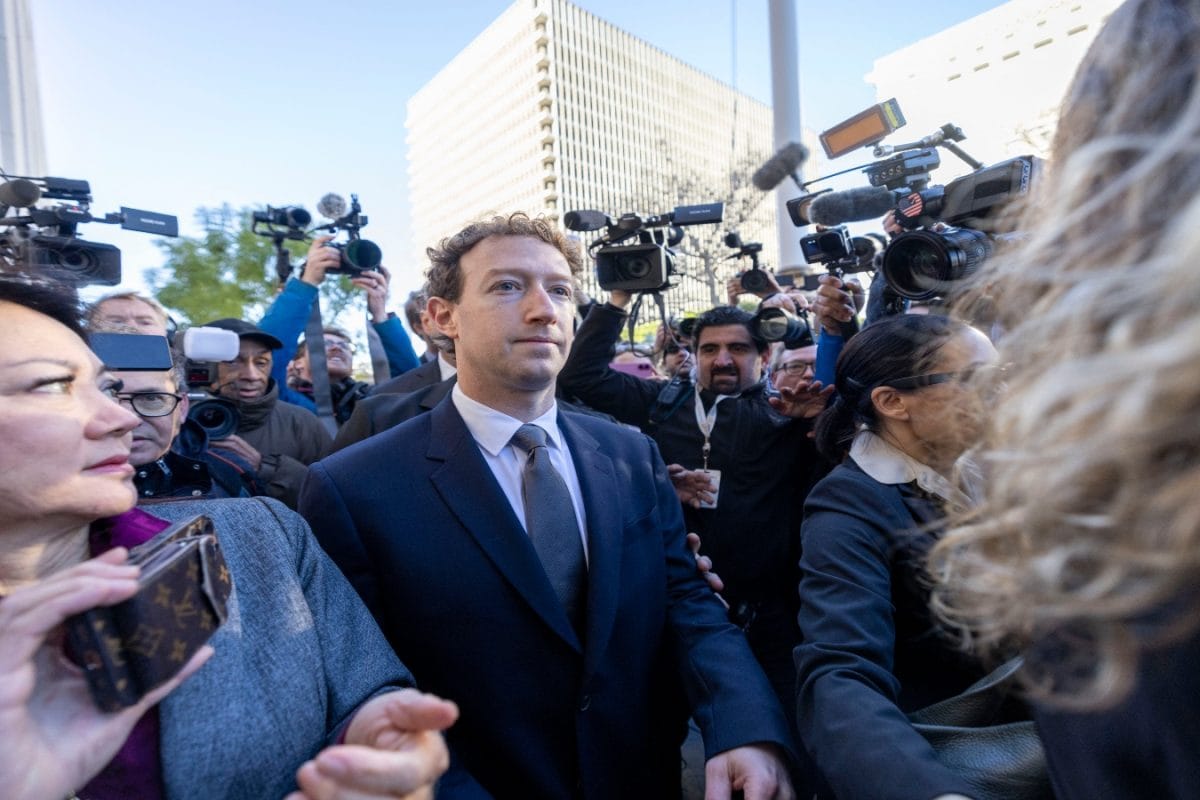
media platforms, which are now recognized as detrimental to the well-being of young people. This significant $6 million verdict, with Meta ordered to pay $4.2 million and Google $1.8 million, is particularly noteworthy given the immense financial scale of these corporations, each with annual capital expenditures exceeding $100 billion. This specific trial was intentionally chosen to act as a bellwether, a test case for the thousands of analogous lawsuits currently consolidated within California's state court system. The plaintiff, identified in court documents by her first name Kaley, a 20-year-old who was a minor when the case commenced, argued that the attention-grabbing features, such as the endlessly scrolling feed that compels users to continually view new content, led to her addiction to platforms like YouTube and Instagram from a young age. The jury's finding that both companies were negligent in their app design and failed to adequately warn users of the inherent dangers represents a powerful statement, with the lead counsel for the plaintiff declaring that "accountability has arrived." Despite the verdict, representatives for Meta and Google have indicated their intention to appeal the decision, though their stock prices showed only minor fluctuations following the news.
Focus on Design, Not Content
Crucially, the legal strategy in this Los Angeles trial circumvented the broad protections afforded to social media companies under U.S. law, which typically shields them from liability for user-generated content. Instead, the plaintiff's legal team skillfully focused on the inherent design choices made by Meta and Google. These design elements, such as the 'infinite scroll' and other engagement-maximizing features, were presented as intentional choices that prioritized user retention and profit over the safety and mental health of younger demographics. This approach proved effective, as the jury found the companies negligent not for what users posted, but for how the platforms were engineered to capture and maintain user attention, particularly among vulnerable youth. Analysts suggest that while this verdict is a setback for the implicated tech giants, the ongoing legal battles and appeals could eventually compel these companies to implement more robust consumer safeguards, a move that might potentially temper their growth trajectories. It's important to note that other significant platforms, Snap and TikTok, were also defendants but reached settlements with the plaintiff prior to the commencement of this trial.
Mounting Criticism and Legislative Action
The tech industry has been under increasing pressure over the past decade concerning the safety of children and teenagers on their platforms. This intense scrutiny has now transitioned from public discourse and governmental bodies into the judicial arena and state-level legislative efforts, particularly as comprehensive federal regulation from the U.S. Congress has not materialized. In response to these concerns, at least 20 states have enacted legislation aimed at regulating social media usage by minors. These laws encompass a range of measures, including restrictions on cell phone use within educational settings and requirements for users to verify their age before creating social media accounts. Industry groups, such as NetChoice, which is supported by major tech companies like Meta and Google, are actively contesting these age verification mandates in court, arguing against their legality. Following the verdict, bipartisan calls from U.S. Senators Marsha Blackburn and Richard Blumenthal urged Congress to pass legislation compelling social media companies to prioritize child safety in their platform designs. The legal challenges are far from over, with a significant social media addiction case brought by several states and school districts set to go to trial this summer in federal court, and another state trial in Los Angeles scheduled for July involving prominent platforms like Instagram, YouTube, TikTok, and Snapchat.
Trial Arguments and Corporate Defense
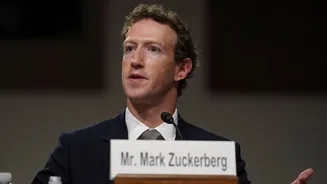
During the trial, the plaintiff's legal team presented arguments suggesting that Meta and Google deliberately targeted younger users and made strategic decisions that placed financial gain above the safety of their underage audience. Meta's defense attorneys contended that the plaintiff's personal home life challenges were the primary contributors to her mental health difficulties, while the defense for YouTube asserted that her engagement with the streaming service was minimal. Jurors were exposed to internal company documents that revealed the methods employed by Meta and Google to attract younger users. Executives, including Meta CEO Mark Zuckerberg, testified in defense of their company's actions. When questioned about Meta's decision to reinstate a temporary ban on beauty filters, which some within the company had warned could negatively impact teenage girls, Zuckerberg stated his belief in allowing users freedom of expression, citing a perceived lack of conclusive evidence to warrant restricting such expression. The interplay between free speech principles and content moderation policies is expected to remain a significant factor in how these companies justify their design and operational decisions moving forward.