







Lunar Base Initiative
Nasa has dramatically altered its trajectory for lunar exploration, opting to forgo the development of a space station in orbit around the Moon. Instead,
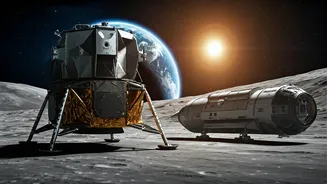
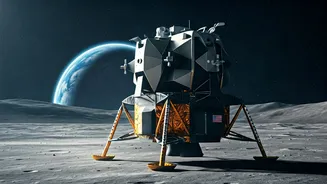
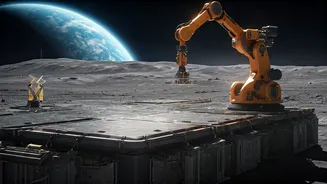
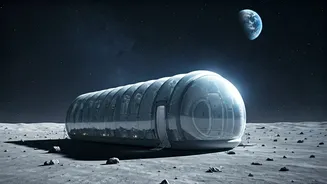
the agency is reallocating a significant budget of $20 billion to establish a permanent base directly on the Moon's surface. This strategic shift, announced recently, aims to foster a more robust and immediate human presence on our celestial neighbor. The initiative involves deploying numerous robotic landers, a fleet of specialized drones, and laying the foundational infrastructure necessary for utilizing nuclear power on the lunar landscape within the coming years. This phased approach is intended to build critical experience and confidence, mirroring the successful strategy employed during the Apollo missions of the 1960s.
Mars Nuclear Mission
Concurrently with its lunar ambitions, Nasa is making substantial progress on a highly advanced mission targeting Mars. This endeavor centers on the development of a nuclear-powered spacecraft, officially designated as Space Reactor 1 Freedom. The planned launch for this pioneering vessel is set for before 2028, with the primary objective of demonstrating nuclear electric propulsion capabilities in the vastness of deep space. Upon reaching the Martian system, the spacecraft is designed to deploy aerial vehicles to conduct in-depth exploration of the planet's diverse surface. This technological leap promises to revolutionize interplanetary travel by offering significantly greater efficiency and speed.
Artemis Program Evolution
These significant changes effectively place the Lunar Gateway project on hold, an orbital station that was being developed in collaboration with international partners and various contractors. The revamped Artemis program now places a strong emphasis on accelerating the United States' return to the Moon, aiming to establish a human foothold before China's projected missions around 2030. While the overarching goal of a crewed lunar landing by 2028 remains, the development of essential lunar landers is experiencing delays. Companies like SpaceX and Blue Origin are engaged in a competitive race to finalize their lander systems, each facing unique technical challenges. Nasa has indicated a commitment to flexibility, stating that whichever lander achieves readiness first will be utilized for the mission, and discussions are ongoing regarding optimal docking procedures with the Orion spacecraft.
International Collaboration
The revised strategic direction for lunar exploration raises pertinent questions regarding the continued involvement of international partners, including the European Space Agency, Japan, and Canada, who had previously committed resources to the orbital station. Nasa, however, asserts that existing hardware and established partnerships can be effectively repurposed to support the new surface-focused missions and broader program objectives. Leaders from the European Space Agency have expressed their commitment to ongoing dialogue with Nasa as the implications of the revised plan are thoroughly evaluated. This collaborative spirit is crucial as Nasa endeavors to establish a sustained human presence on the Moon, its most ambitious undertaking since the conclusion of the Apollo missions in 1972.