
Introduction to Gujarat
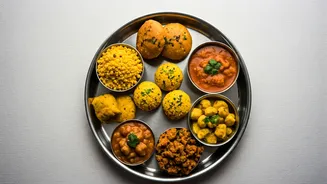
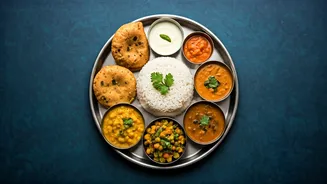
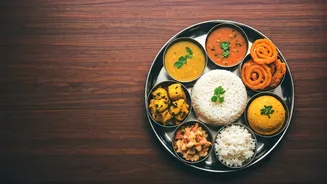
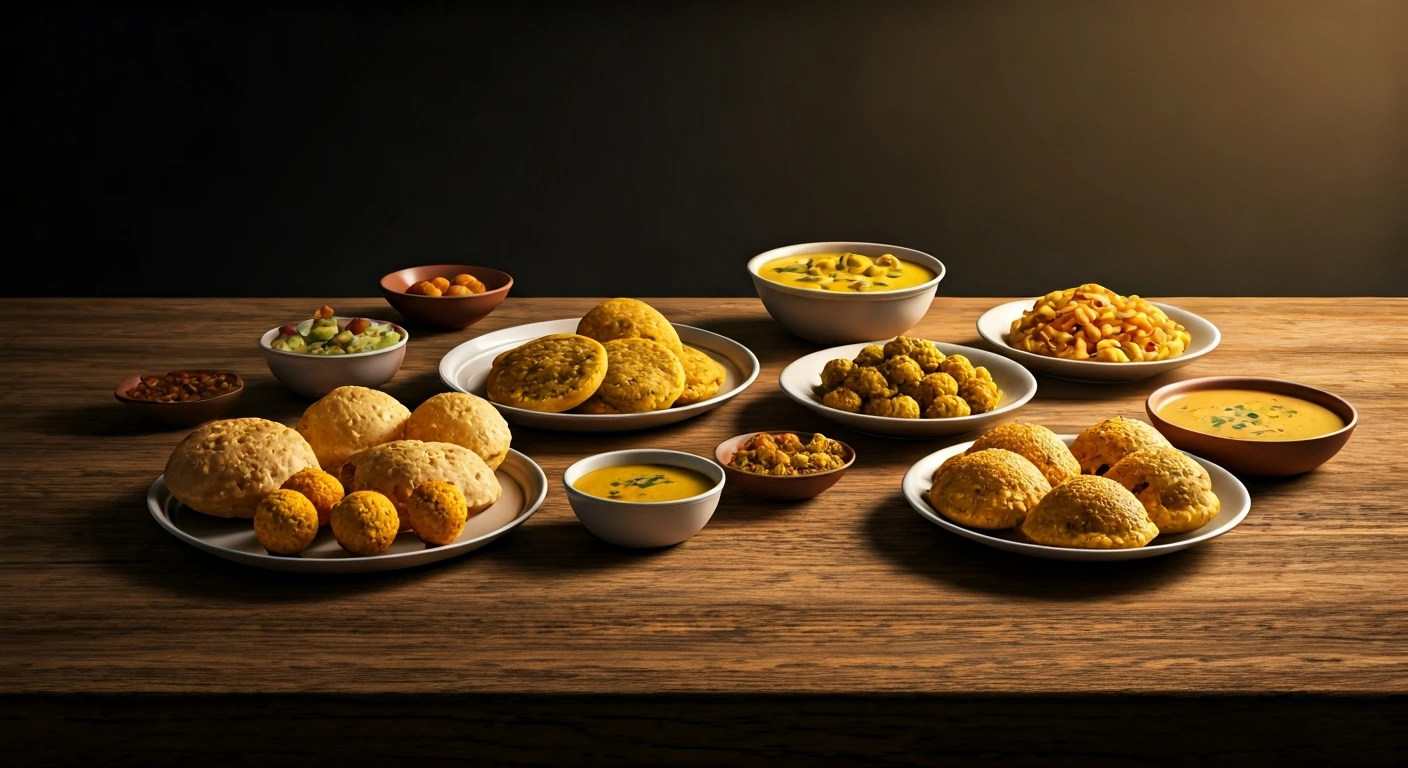
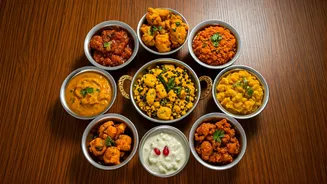
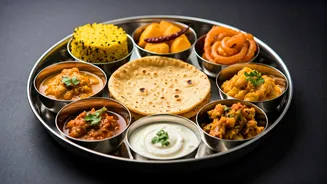
Gujarati cuisine is renowned for its diverse flavors and vegetarian focus. The state's geographical location and cultural influences have shaped its distinctive
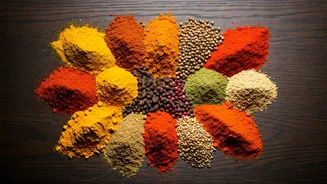
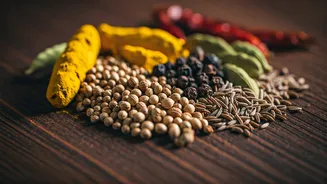
culinary traditions. Dishes often incorporate a blend of sweet, sour, and spicy elements, creating a balanced and satisfying taste profile. Common ingredients include lentils, vegetables, and aromatic spices like turmeric, cumin, and coriander. The emphasis on vegetarianism reflects the region's religious and philosophical beliefs. Many Gujarati dishes are cooked with minimal oil, making them a healthy option. The cuisine's versatility allows for a wide range of dishes suitable for different occasions. Gujarat's cuisine is not just about food; it's a reflection of its culture and way of life.
Dhokla: The Steamed Delight
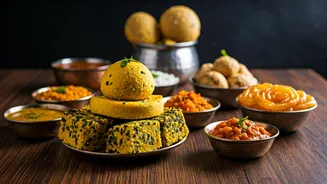
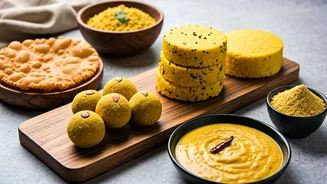
Dhokla, a beloved Gujarati snack, is a steamed cake made from fermented batter. The batter typically consists of rice and chickpeas, giving it a light and spongy texture. It's often seasoned with mustard seeds, green chilies, and coriander leaves. The fermentation process adds a subtle tang to the dhokla, enhancing its flavor. This dish is usually served with a sweet and tangy chutney, providing a delightful contrast. The preparation involves soaking the lentils and rice, grinding them into a paste, and allowing them to ferment overnight. This simple yet flavorful dish is a popular breakfast option and is enjoyed throughout the day. Dhokla's airy texture and balanced flavors make it a favorite among all age groups. Variations exist, including Khaman Dhokla, which is made with chana dal (split chickpeas).
Undhiyu: A Winter Specialty
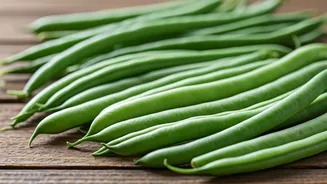
Undhiyu is a mixed vegetable dish traditionally prepared in earthen pots underground, usually during the winter months. The name 'Undhiyu' is derived from the Gujarati word 'undhu,' meaning upside down, referring to the way the pots are placed in the ground. The dish involves a medley of seasonal vegetables like eggplant, potatoes, beans, and green peas, cooked with a blend of spices. These vegetables are marinated with a paste of herbs, spices, and yogurt. The underground cooking method imparts a unique smoky flavor to the vegetables. The dish is often served with puri (deep-fried bread) and shrikhand (sweet yogurt). Preparing Undhiyu is a time-consuming process, but the outcome is a rich and flavorful dish. Each bite offers a variety of textures and tastes, making it a celebration of seasonal produce.
Thepla: A Flatbread Staple
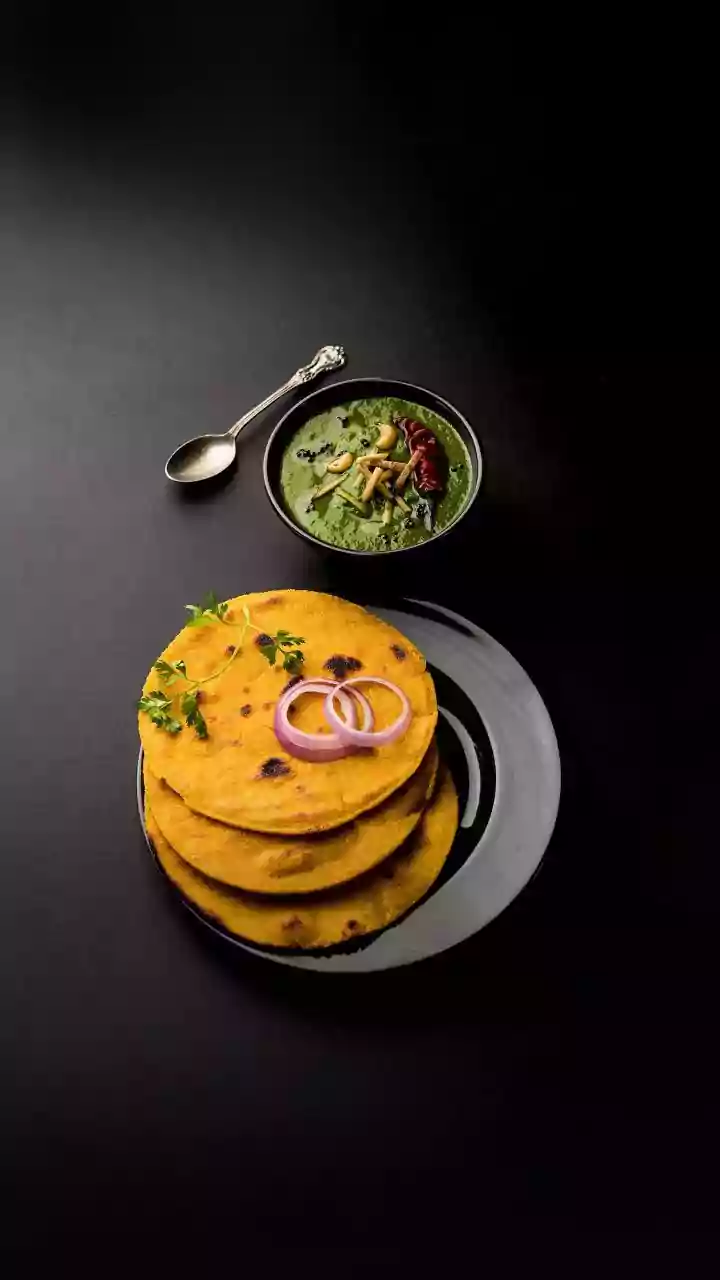
Thepla is a soft, thin flatbread that is a staple in Gujarati households. It is made from wheat flour, gram flour, and spices like turmeric, cumin, and chili powder. Methi (fenugreek leaves) is often added to the dough, enhancing its flavor and nutritional value. Thepla is typically cooked on a griddle with a touch of oil. It is a versatile dish, perfect for breakfast, lunch, or dinner. It is often served with curd, pickles, and chutney. Its portability makes it ideal for travel and picnics. Thepla can be stored for several days, making it convenient for busy individuals. It is a nutritious and satisfying meal, providing a good source of carbohydrates and fiber. There are various types of thepla, including methi thepla (with fenugreek) and plain thepla.
Khandvi: Rolled Delights
Khandvi is a savory, bite-sized snack made from gram flour (besan) and yogurt. A smooth batter is prepared, cooked, and spread thinly before being rolled into small, bite-sized pieces. It is then tempered with mustard seeds, curry leaves, and asafoetida. The soft, melt-in-your-mouth texture of Khandvi makes it a delightful treat. The tangy and savory flavors of Khandvi are a hit with everyone. Garnishing with fresh coriander and grated coconut adds visual appeal. This dish is relatively easy to prepare, but it requires precision in cooking the batter to achieve the correct consistency. Khandvi is a popular snack for festivals and celebrations, appreciated for its appealing texture and flavors.
Dal Dhokli: A Hearty Meal
Dal Dhokli is a wholesome and comforting one-pot meal comprising of spiced wheat flour dumplings (dhokli) simmered in a flavorful lentil (dal) broth. The dhokli is made by kneading wheat flour with spices and then boiling it in the dal. The dal typically consists of toor dal (split pigeon peas), cooked with onions, tomatoes, and various spices. The combination of soft dhokli and flavorful dal creates a delightful culinary experience. The dish is often garnished with coriander leaves and a squeeze of lime juice for added freshness. It is a complete meal, providing protein, carbohydrates, and essential nutrients. Dal Dhokli is a popular home-style dish, enjoyed for its simplicity and satisfying flavors.
Handvo: Savory Cake
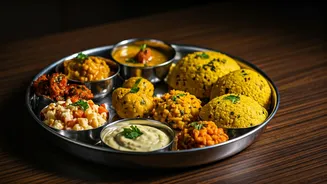
Handvo is a savory vegetable cake prepared by steaming or baking. It's crafted from a batter of rice, lentils, and vegetables. Vegetables often include bottle gourd, carrots, and spinach. The batter is seasoned with spices and then baked until golden brown. The combination of rice and lentils gives the handvo a distinct flavor and texture. Handvo can be made in a pan, oven, or a pressure cooker. It is a healthy alternative to fried snacks, offering a good source of fiber and nutrients. It can be served with green chutney or tomato sauce. Handvo is a versatile dish suitable for both snacks and light meals. Its adaptability makes it a great recipe for using up various vegetables.
Sev Tameta Nu Shaak
Sev Tameta Nu Shaak is a tangy and slightly sweet tomato-based vegetable curry. The dish's star ingredients are tomatoes and sev (crispy gram flour noodles). The curry is prepared with a blend of spices, including mustard seeds, turmeric, and chili powder. Sev is added at the end, providing a delightful crunch and texture. The tomatoes are cooked to a soft, pulpy consistency, forming the base of the curry. Garnishing with fresh coriander adds a burst of freshness. This dish is usually served with roti or rice. Sev Tameta Nu Shaak is quick to prepare and is a popular everyday meal in many Gujarati homes. The combination of sweet, tangy, and crunchy elements makes it a crowd-pleaser.
Basundi: Sweet Cream Dessert
Basundi is a rich and creamy sweet dish made by simmering milk until it thickens. Sugar and cardamom are usually added to enhance the flavor. Nuts like almonds and pistachios are also included for texture. The slow cooking process caramelizes the milk, giving basundi a rich and delicious taste. The dessert's thick, creamy consistency makes it a luxurious treat. It is often served chilled, making it a refreshing dessert. Basundi is a traditional dessert served during festivals and celebrations. The preparation requires patience, as the milk needs to be constantly stirred to prevent sticking. The addition of dry fruits provides a delightful mix of flavors and textures. Basundi’s simple yet decadent nature makes it a cherished dessert in Gujarat.