





AI Agents: The Real Shift
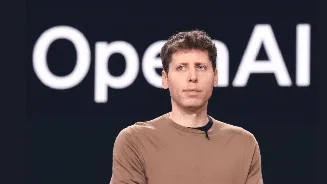
During a recent discussion in San Francisco, OpenAI CEO Sam Altman steered the conversation away from the buzz surrounding Moltbook, a rapidly trending
AI social platform. He characterized Moltbook as potentially transient, emphasizing instead the profound significance of technologies like OpenClaw. OpenClaw, an open-source framework, is at the forefront of developing autonomous AI agents – software that can operate computers and perform tasks with minimal human intervention. Altman articulated that while specific viral applications may fade, the underlying trend of self-operating software represents a fundamental and enduring alteration in how we will interact with technology. This shift toward AI managing routine digital activities promises to redefine everyday computing, moving beyond novel applications to become an integrated aspect of our digital existence.
OpenClaw: Autonomous Power
OpenClaw is being hailed as a powerful, general-purpose digital assistant capable of handling a multitude of routine tasks. Imagine an AI that can independently manage your email correspondence, interact with insurance providers to resolve claims, seamlessly handle flight check-ins, and execute numerous other repetitive digital chores. Altman highlighted that while code itself is a potent tool, its true transformative potential is unlocked when combined with generalized computer operation capabilities. This synergy between intelligent code and the ability to autonomously navigate and interact within computer systems is what positions OpenClaw as a clear indicator of future technological advancements. The ease with which OpenClaw can perform these tasks showcases the immense practical utility of AI agents in streamlining daily digital life.
Adoption Pace and Risks
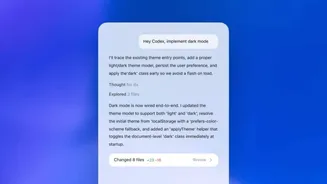
Despite the clear potential of AI, Altman acknowledged that its widespread integration into daily life has progressed more slowly than initially anticipated. He admitted that the transition of groundbreaking technologies into commonplace tools often takes longer than expected. This slower adoption curve was also evident with OpenAI's own coding assistant, Codex, which, while impressive, has still reached only a million monthly developers. Furthermore, the rapid rise of platforms like Moltbook has illuminated inherent risks. For instance, a significant security vulnerability was reported by Wiz, exposing private data of thousands of individuals, underscoring the fragile nature of these nascent platforms. This highlights the critical need for robust security measures and a cautious approach as AI capabilities advance.
Cautious Autonomy Ahead
The prospect of granting AI complete control over personal computers remains a point of hesitation for many users, according to industry figures like Mike Krieger from Anthropic Labs. While AI technology is advancing at a breakneck pace, user comfort levels with full automation are still developing. Altman himself echoed this sentiment, emphasizing that the destination of autonomous AI is certain, even if the journey involves a more gradual adoption. He drew a parallel with OpenAI's Codex, noting its recent expansion with a dedicated macOS app, intensifying competition in the developer tool space. While social experiments might fluctuate, the fundamental shift towards autonomous AI systems like OpenClaw is poised to permanently alter how individuals work and interact with their digital devices.