




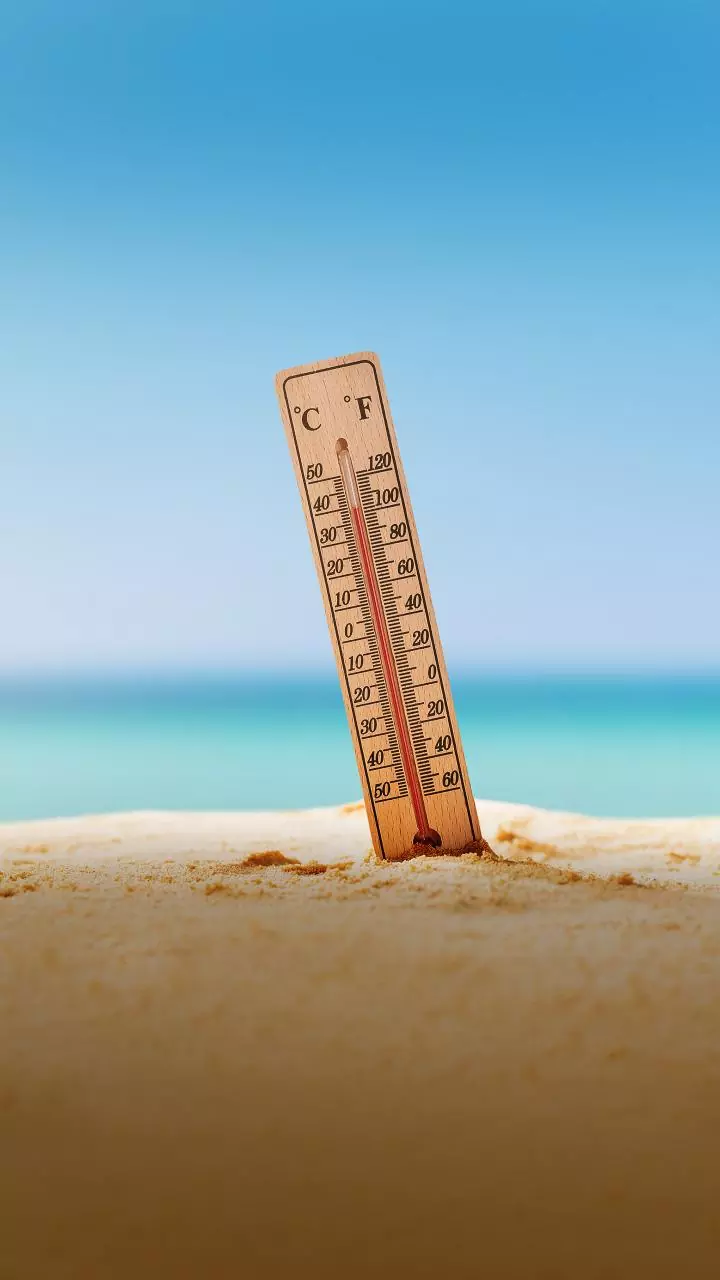
Rising Temperatures Expected
Telangana is currently experiencing a noticeable escalation in its ambient temperature, with projections indicating a gradual increase of 2-3°C over the
ensuing three days. This trend is expected to persist, leading to dry weather conditions. Several districts, including Adilabad, Bhadradri Kothagudem, Hanumakonda, Jagtial, Jangaon, Jogulamba Gadwal, Mahabubnagar, Khammam, Mancherial, Nagarkurnool, Narayanpet, Nirmal, and Wanaparthy, are likely to witness maximum temperatures ranging between 41°C and 44°C throughout the coming week. Weather experts anticipate a full-fledged heatwave impacting the state from around April 12th. Specifically, North and East Telangana may endure consecutive days with mercury levels reaching as high as 44°C for a period of ten days. Even the state capital, Hyderabad, is predicted to experience temperatures exceeding 40°C over the next ten days, necessitating vigilance and preparation.
Essential Hydration Strategies
Maintaining adequate hydration is paramount during a heatwave. It is strongly advised to consume plenty of water consistently, even in the absence of thirst. Incorporating oral rehydration solutions (ORS) into your fluid intake can be highly beneficial. Furthermore, opt for natural, cooling beverages such as lemon water and buttermilk to replenish lost electrolytes. When venturing outdoors, always carry a water bottle to ensure a steady supply. Emphasizing the consumption of seasonal fruits and vegetables, which have high water content, will also contribute significantly to staying hydrated and nourished. These simple yet effective measures are crucial for combating dehydration and heat-related ailments.
Protective Clothing and Shelter
When it becomes necessary to go out in the sun, wearing the right clothing can make a substantial difference in protecting your body from the intense heat. It is recommended to opt for lightweight, loose-fitting garments made of natural fabrics like cotton. These materials allow for better air circulation, helping to keep your body cool. Covering your head with a scarf, hat, or umbrella is essential to shield yourself from direct sunlight, which can lead to headaches and sunstroke. Always wear footwear, such as shoes or chappals, to protect your feet from hot surfaces and prevent burns or injuries. While indoors, keeping windows and curtains closed during the day helps to block out external heat, maintaining a cooler indoor environment and promoting alertness.
Minimizing Outdoor Exposure
The most effective way to avoid the adverse effects of a heatwave is to significantly reduce your exposure to the sun's harsh rays. It is strongly advised to stay indoors as much as possible, especially during the peak hours of the day. The period between 12 pm and 3 pm is typically the hottest, and venturing out during this time should be avoided unless absolutely necessary. Limit strenuous physical activities that can lead to excessive sweating and heat buildup. Walking barefoot on hot surfaces should also be avoided to prevent burns and discomfort. Furthermore, refraining from cooking during the hottest parts of the day can help keep your home cooler. Lastly, it is crucial to avoid consuming alcoholic beverages and drinks with high sugar content, as these can contribute to dehydration.
Recognizing Heatwave Dangers
Understanding the signs of heat-related illnesses is vital for prompt action and preventing serious health complications. Key danger signs include feeling nauseous and experiencing vomiting. Your skin may become hot, red, and dry, indicating that your body is struggling to regulate its temperature. A throbbing headache is another common symptom. You might also experience feelings of anxiety, dizziness, and a rapid heartbeat. Muscle weakness can set in, along with rapid and shallow breathing. If you or someone else exhibits any of these symptoms, it is crucial to seek immediate medical attention and take steps to cool the body down, such as moving to a cooler environment and applying cool compresses.