

Dhokla: The Steamed Delight
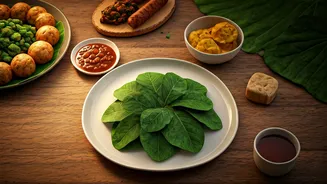
Dhokla, a beloved Gujarati snack, holds a special place in the hearts of many. This steamed delicacy is made from fermented batter, typically a mixture
of rice and chickpeas (chana dal). The fermentation process gives dhokla its characteristic fluffy texture and slightly tangy taste. There are many variations, but the classic version is typically seasoned with mustard seeds, green chilies, and coriander leaves. The steaming process ensures that dhokla is light and easy to digest, making it a healthy and satisfying snack or a light meal. The toppings and accompaniments, such as a chutney made of mint, coriander, or tamarind and chilies, usually provide a spicy contrast to the dish, enhancing its flavor profile and making it even more delicious. Dhokla is not just a snack; it's a testament to the versatility and innovative spirit of Gujarati cuisine.
Undhiyu: A Winter Specialty
Undhiyu is a traditional mixed vegetable dish, most commonly enjoyed during the winter months. Its name, derived from the Gujarati word 'undhu,' meaning upside down, refers to the traditional method of cooking the dish. The vegetables, including eggplant, potatoes, green beans, and other seasonal produce, are slow-cooked in earthen pots, which are placed upside down over a fire pit. This unique cooking process imparts a distinct smoky flavor to the dish. Undhiyu often includes muthias, small dumplings made from a variety of flours and spices, adding a delightful textural contrast. The rich blend of spices, vegetables, and the slow cooking process contributes to Undhiyu's incredible flavor, making it a festive and heartwarming dish that truly captures the essence of Gujarati culinary heritage.
Thepla: A Versatile Flatbread
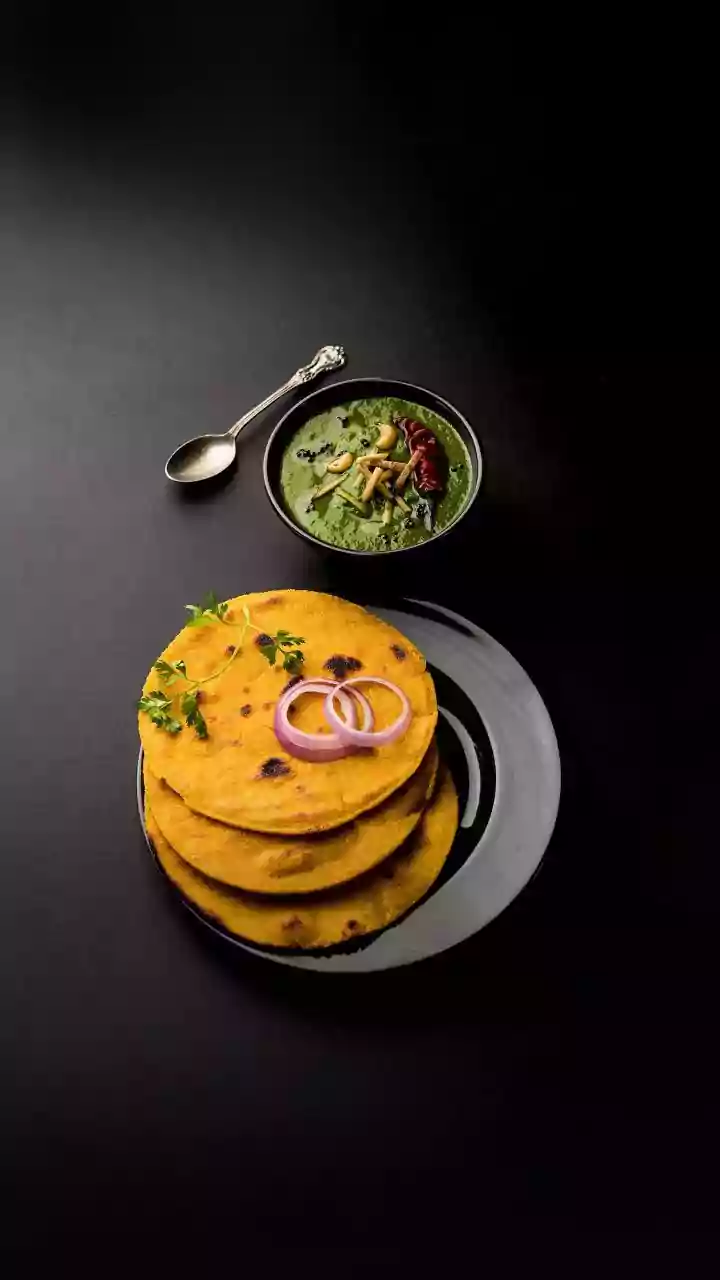
Thepla is a flavorful, soft flatbread that's an integral part of Gujarati cuisine. Often enjoyed as part of breakfast or a quick meal, Thepla is made from whole wheat flour, mixed with various spices, herbs, and sometimes vegetables like fenugreek leaves (methi). The addition of yogurt or milk gives it a soft texture. Theplas are cooked on a griddle with a touch of oil, resulting in a slightly crispy exterior and a soft interior. They can be enjoyed plain, or with pickles, yogurt, or curries, making them highly versatile. This flatbread is also a popular choice for travel, as it stays fresh for several days, making it an ideal choice for journeys and picnics. Thepla’s simplicity belies its delicious taste and cultural significance.
Khandvi: The Rolled Snack
Khandvi is a delicate and visually appealing snack, loved for its unique texture and mild, savory taste. It is crafted from a smooth batter of gram flour (besan) and buttermilk, which is cooked until it thickens. This mixture is then spread thinly and allowed to set before being rolled into bite-sized pieces. The rolls are seasoned with mustard seeds, sesame seeds, and curry leaves, often served with a garnish of fresh coriander and sometimes a drizzle of coconut. The making of Khandvi requires patience, as the batter must be cooked to the right consistency. Khandvi is a perfect example of Gujarati innovation; it's a light, refreshing, and delicious snack that reflects the cuisine's mastery of simple ingredients combined beautifully.
Handvo: The Savory Cake
Handvo is a savory vegetable cake, often baked or cooked on a stovetop, that's both hearty and flavorful. It's made from a batter of lentils and grains, along with a combination of vegetables like bottle gourd, carrots, and spinach. The batter is seasoned with spices, and the mixture is baked until golden brown and firm. The cake is typically tempered with mustard seeds, sesame seeds, and curry leaves before serving, enhancing its taste. Handvo is an excellent example of Gujarati resourcefulness, as it utilizes various vegetables and grains, resulting in a wholesome and delicious dish. It's often enjoyed as a light meal or snack, reflecting the Gujarati cuisine's focus on healthy and flavorful cooking.
Dal Dhokli: A Comfort Meal
Dal Dhokli is a comforting and wholesome one-pot meal that showcases the perfect combination of textures and flavors. It is made with thick, flavorful dal (lentils), usually toor dal, and square-shaped wheat flour dumplings (dhokli). The dhokli is cooked in the dal, absorbing the flavors and thickening the broth. The dish is seasoned with a variety of spices, adding warmth and depth. Dal Dhokli is not only delicious but also very nutritious, providing a balanced meal that is packed with proteins, carbohydrates, and fiber. It is a popular comfort food in Gujarat, often enjoyed during cooler months. The combination of the hearty dal with the chewy dhokli makes for an incredibly satisfying meal.
Sev Tameta Nu Shaak
Sev Tameta Nu Shaak, a staple in many Gujarati homes, is a tangy and mildly spicy tomato and sev curry. This dish has a base of cooked tomatoes and is seasoned with a blend of spices. What sets it apart is the addition of sev, thin, crispy gram flour noodles. The sev adds texture and a unique flavor to the gravy. The dish is quick and easy to prepare, making it a popular choice for everyday meals. It is often served with roti or rice. Sev Tameta Nu Shaak perfectly embodies the balance of flavors that define Gujarati cuisine, with the tanginess of tomatoes, the crunch of the sev, and the subtle spices creating a very enjoyable culinary experience.
Khaman: The Soft & Spongy
Khaman is another popular Gujarati snack, known for its soft, spongy texture and savory flavor. Unlike dhokla, which is often made with a mixture of rice and chana dal, Khaman is usually made using only chana dal (gram flour). The gram flour is fermented and steamed to create the soft, airy texture. Khaman is typically served with a tempering of mustard seeds, green chilies, and a garnish of fresh coriander. It's a light and refreshing snack that can be enjoyed at any time of the day. Khaman is another example of Gujarati culinary excellence, showcasing a simple ingredient transformed into a flavorful and delightful treat, reflecting the ingenuity in Gujarati cooking.
Methi Muthiya Nu Shaak
Methi Muthiya Nu Shaak is a flavorful dish that incorporates fenugreek leaves (methi) and muthiya, small dumplings made from a mixture of flour, spices, and methi. The muthiya are steamed or fried before being added to the curry, which adds texture and flavor to the dish. The methi leaves provide a unique, slightly bitter flavor that balances well with the spices. The dish is usually cooked with a base of tomatoes, onions, and various spices, resulting in a rich and aromatic curry. Methi Muthiya Nu Shaak is a testament to Gujarati ingenuity, combining the health benefits of methi with the deliciousness of the muthiya, creating a nutritious and flavorful meal. It's a popular choice for its unique taste and aromatic profile.