







Satellite Swarm Approved
Amazon has secured a significant green light from the Federal Communications Commission (FCC), authorizing the deployment of an additional 4,500 satellites.
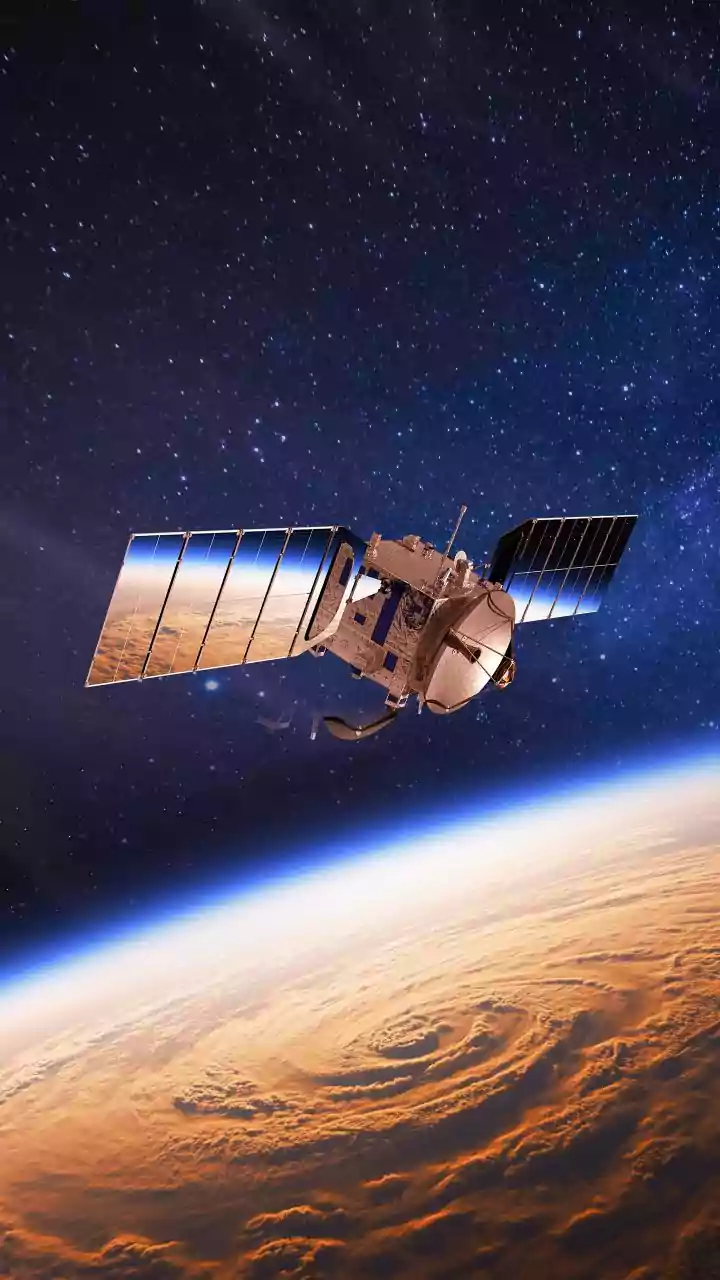
This substantial increase elevates their planned low Earth orbit (LEO) constellation to an impressive total of approximately 7,700 satellites. This strategic move is designed to position Amazon as a formidable competitor in the burgeoning satellite internet sector, directly challenging established providers. The expanded network is intended to offer comprehensive global coverage, crucially including previously underserved polar regions. Furthermore, these next-generation satellites are engineered to support a wider array of frequency bands, promising more robust and versatile connectivity options for users worldwide. Amazon has already commenced its satellite deployment, with over 150 units launched since April, signaling an aggressive timeline for bringing its satellite internet service, dubbed Project Kuiper, online later this year.
Enhanced Connectivity Features
The second generation of Amazon's satellites, referred to as Gen 2, are poised to deliver substantial improvements over their predecessors. While the initial Gen 1 satellites have demonstrated impressive performance, the upcoming units are anticipated to feature significantly more capacity and broader coverage. A key advancement will be enhanced throughput, meaning more data can be transmitted more efficiently. These upgraded satellites will also be equipped with additional capabilities to offer high-speed services, including the potential for satellite television and even 5G connectivity, leveraging the Ku-band and V-band frequencies. Operating at lower altitudes, up to approximately 400 miles above Earth, these satellites will form a denser, more responsive network. This technological leap is a direct result of collaborative efforts, with thanks extended to FCC Chairman Brendan Carr and the commission for their approval, which is seen as vital in maintaining US leadership in LEO satellite technology.
Deployment Timelines & Challenges
The FCC has established clear deadlines for Amazon's satellite deployment. The company is required to launch at least 50% of the approved 4,500 satellites by February 10, 2032, and the remaining half must be deployed by February 10, 2035. However, Amazon has encountered certain logistical hurdles, prompting a request for an extension on the deployment deadline for its initial 1,600 first-generation satellites. The company cited unavoidable delays, particularly a shortage of available rockets for launching the satellites into orbit. To address this, Amazon has petitioned the FCC to push the original July 2026 cutoff date to July 2028 or to consider waiving the requirement altogether. The FCC has yet to issue a ruling on this specific request. Despite these challenges, Amazon has committed a substantial $10 billion investment to its satellite internet venture and plans to invest an additional $1 billion into the Kuiper constellation this year alone.
Market Competition Heats Up
With the FCC's approval and substantial investment, Amazon's Project Kuiper is strategically positioned to contend with existing satellite internet providers, most notably Elon Musk's SpaceX Starlink. Starlink currently boasts a significant presence, with over 9,000 satellites already in orbit and serving approximately 9 million customers globally. Amazon's plan to deploy its own large constellation of 7,700 satellites directly addresses this competitive landscape. The company is not wasting any time in executing its launch strategy, with an Arianespace rocket scheduled to carry 32 additional satellites into orbit as part of an upcoming Amazon Kuiper mission. This aggressive rollout underscores Amazon's determination to capture a significant share of the satellite internet market by offering comparable or superior services.