






Beyond Logic
For years, artificial intelligence has excelled at logical tasks, computations, and providing data-driven responses. However, the industry is now embarking
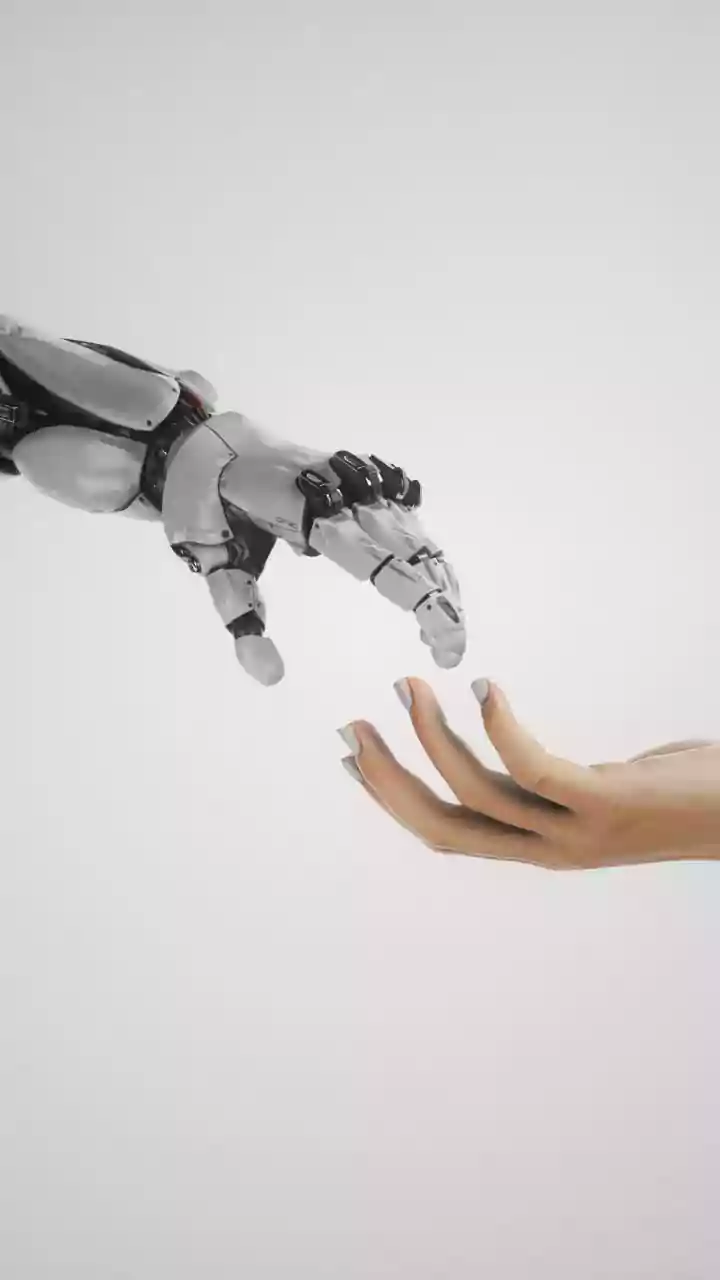
on a new, more complex journey: teaching AI to understand and express emotions. This significant pivot involves moving from systems that merely process information to those that can engage with users on a more empathetic and relatable level. Companies are recognizing that for AI to truly integrate into our lives, it needs to go beyond mere functionality and grasp the nuances of human sentiment, thereby making interactions feel less mechanical and more authentic.
The Actor's Role
A fascinating development in this AI evolution is the recruitment of actors, improvisers, and performers by firms like Handshake AI. These creative professionals are tasked with training AI systems in emotional expression, a role that extends far beyond reading pre-written lines. Participants engage in spontaneous, unscripted dialogues designed to simulate genuine human interactions. The objective is to imbue AI with the ability to convey subtle emotional shifts, from joy to frustration, mirroring authentic human reactions. These online sessions compensate performers around $75 per hour, with the generated data serving as crucial training material for advanced AI models aimed at interpreting tone, context, and intent more effectively.
Bridging the Gap
This innovative approach is part of a larger industry trend towards making AI interactions more intuitive and human-like. Platforms like Scale AI and Mercor have long utilized human input to refine machine learning, but the emphasis on performance and improvisation marks a distinct advancement. By training AI on emotionally rich, unscripted conversations, developers aim to equip systems with the capacity to respond with empathy, dynamically adjust their tone, and navigate complex social cues. This progress could dramatically enhance user experiences across various digital interfaces, from chatbots to virtual assistants, fostering more natural and engaging exchanges.
Ethical Quandaries
While the pursuit of emotionally intelligent AI promises more engaging digital experiences, it also sparks significant debate and concern. Critics question whether this endeavor might inadvertently lead to the displacement of the very professions that are training the AI, potentially creating tools that could one day replace human performers. Furthermore, the burgeoning AI training sector has faced scrutiny regarding working conditions, with reports of inconsistent work opportunities and declining pay rates on some platforms, and even allegations of delayed payments in specific instances. These issues highlight the complex ethical landscape surrounding the development of advanced AI.
Simulation or Sentience?
Beyond the practical and labor concerns, a profound philosophical question lingers: can machines truly develop emotions, or are they merely becoming adept at simulating them? Currently, AI learns to mimic feelings by recognizing patterns within vast datasets. The future trajectory of artificial intelligence hinges on whether this mimicry evolves into something more akin to genuine emotional understanding or remains a sophisticated illusion. This fundamental distinction will undoubtedly shape the next era of AI development and its relationship with humanity.