






A Precarious Pause
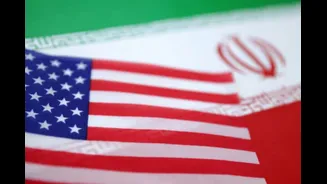
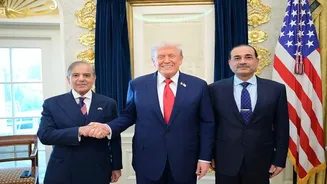
The recent US-Iran ceasefire, brokered following intensive talks in Islamabad, has been described as a "calibrated pause" rather than genuine peace. While
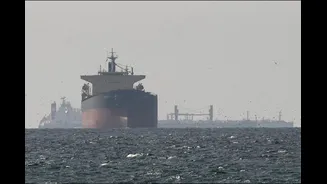
US President Donald Trump announced a two-week suspension of attacks contingent on Iran fully reopening the Strait of Hormuz, the agreement's durability is immediately tested. Iran's subsequent halting of oil tanker traffic through this vital waterway signals deep-seated mistrust and a willingness to exert pressure. This move, according to Iran's Fars News, directly impacts global energy flows and underscores the delicate nature of the accord. The geopolitical expert's assessment highlights that this is not a resolution, but rather a temporary cessation of hostilities fraught with potential for renewed conflict.
Lebanon: A Truce Spoiler?
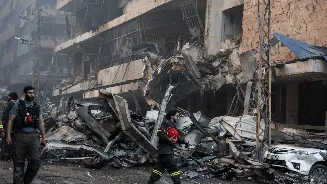
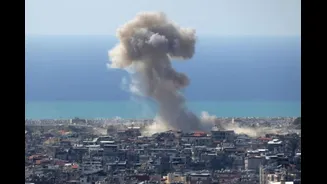
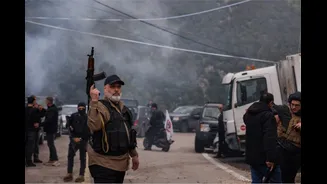
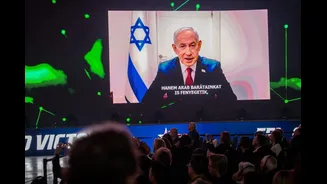
A significant point of contention and a potential catalyst for the ceasefire's collapse revolves around Israeli military actions in Lebanon. Despite the two-week truce, reports indicate Israeli strikes have resulted in a substantial loss of life, with at least 254 people killed and 1,165 injured on Wednesday alone. This directly contradicts claims that the ceasefire encompasses all conflict zones. Israeli Prime Minister Benjamin Netanyahu has categorically denied that Lebanon is part of the US-Iran agreement, a stance that clashes with the assertions of Pakistani Prime Minister Shehbaz Sharif, who was instrumental in brokering the deal. Iran has explicitly warned that it could withdraw from the ceasefire if Israel's strikes in Lebanon persist, framing these actions as a violation of the spirit, if not the letter, of the truce and escalating regional tensions.
Hormuz: The Energy Lifeline
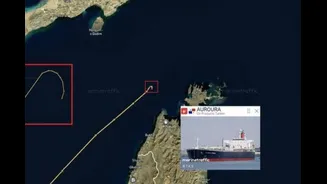
The Strait of Hormuz, a critical chokepoint for global oil transportation, has once again become a focal point of international concern due to Iran's actions. When Iran halted oil tanker movement, it wasn't just oil that became the primary crisis, but potentially food supplies as well, highlighting the broader economic impact of such blockades. The closure raises fresh anxieties about global energy supplies, with analysts like those at Goldman Sachs warning that Brent crude could average over $100 a barrel if the Strait remains closed for an extended period. This strategic leverage underscores Iran's ability to disrupt international trade and exert significant influence on global markets. The situation is further complicated by a US Navy Triton surveillance drone that transmitted an emergency signal and disappeared near the Strait, close to Iranian airspace, adding another layer of uncertainty.
Iran's Nuclear Resolve
Amidst the volatile geopolitical landscape, Iran has firmly reiterated its commitment to its nuclear program. The head of Iran’s nuclear energy agency has unequivocally ruled out any restrictions on uranium enrichment, dismissing demands from the United States and Israel as mere "wishes that will be buried." This declaration comes as talks under Pakistani mediation were set to take place, indicating that Iran's nuclear ambitions remain a non-negotiable aspect of its national policy. The agency chief stated that protecting Iran's right to enrich uranium is "necessary" for any future ceasefire discussions. This firm stance on nuclear enrichment is likely to remain a significant hurdle in broader diplomatic efforts to de-escalate tensions in the region.
International Reactions and Responses
The international community is responding with a mixture of concern and diplomatic engagement to the escalating tensions. European nations, including France, are finalizing plans for a mission to escort ships through the Strait of Hormuz, aiming to ensure safe passage. Air France has extended its suspension of West Asia flight operations until May, citing security risks. Italy's Prime Minister Giorgia Meloni has suggested that the EU might need to temporarily suspend its spending rules if the conflict worsens and impacts energy supplies. Meanwhile, Spain is reopening its embassy in Tehran to participate in peace efforts, and Beijing has emphasized that Lebanon's sovereignty should not be violated. The UK has also stated that Lebanon should be included in any ceasefire deal, highlighting the widespread acknowledgment of the need for comprehensive de-escalation.