






Musk's Charitable Foundation Claim
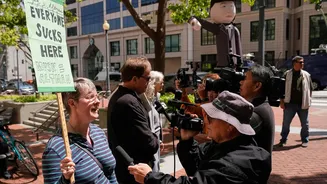
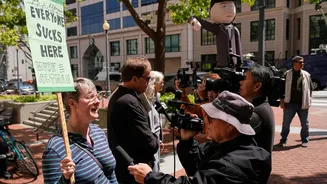
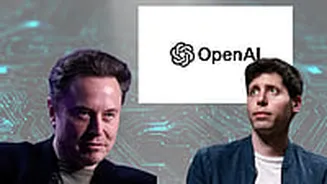
Elon Musk took the stand, positioning his lawsuit against OpenAI as a defense of charitable principles. He asserted that the concept, name, and initial
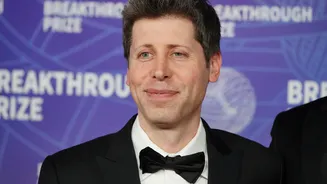
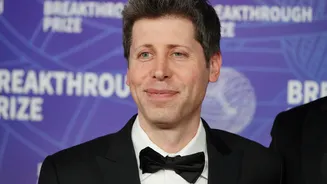
funding for OpenAI were his brainchild, explicitly intended as a charitable endeavor to benefit humanity, not individuals. Musk contended that abandoning this non-profit mission for a profit-driven model would undermine the very foundation of charitable giving in America. He emphasized that he deliberately chose not to launch it as a for-profit entity initially, highlighting his commitment to its altruistic purpose. This stance forms the crux of his argument that OpenAI executives, led by Sam Altman and Greg Brockman, betrayed this original vision.
OpenAI's Counter-Narrative
Countering Musk's assertions, OpenAI's legal team presented a starkly different account. They suggested that Musk himself recognized the financial potential of AI and advocated for its transition to a for-profit structure, driven by a desire for control and leadership. The defense argued that Musk's lawsuit stemmed from his failure to achieve his desired level of influence, pointing to his subsequent founding of his own AI company, xAI. Furthermore, OpenAI's lawyers stated that the establishment of a for-profit arm in March 2019 was essential for acquiring the necessary computing power and attracting top talent to compete with rivals like Google's DeepMind, framing it as a pragmatic step for survival and advancement.
Financial Stakes and Mission Drift
The trial spotlighted the immense financial implications surrounding OpenAI, with Musk seeking $150 billion in damages from OpenAI and its major investor, Microsoft. His demands include reverting OpenAI to its non-profit status and removing key leadership. Musk's legal team argued that the company's pursuit of investors and its transformation into a lucrative enterprise indicated a greedy motive, diverging sharply from its intended purpose as a selfless research organization. Conversely, OpenAI's counsel highlighted that the shift to a for-profit model was crucial for securing billions in funding, necessary for maintaining competitiveness and enabling groundbreaking AI research and development.
AI Safety Concerns Emerge
A significant point of contention revolved around the role of AI safety in Musk's original vision and his subsequent engagement. Musk testified to having long-standing and extreme concerns about AI, citing discussions with figures like Google's Larry Page where he felt AI safety wasn't sufficiently prioritized. He presented himself as a proactive force pushing for a counterpoint to the potential risks posed by AI development. However, OpenAI's legal team countered that AI safety was not Musk's primary focus and that he had disparaged employees dedicated to it, labeling them as "jackasses." This dispute underscores differing interpretations of Musk's motivations and priorities regarding advanced AI.