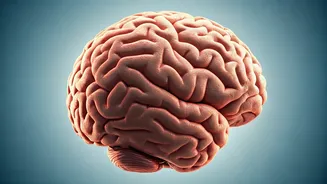








Initial Neural Networks
Our brains are constantly creating and reinforcing neural pathways, forming the basis of our beliefs and perspectives. These pathways become more robust
with repetition and experience, making it easier to recall and rely on established information. Consider it like building a well-worn path in a forest; the more you walk it, the easier it becomes. These initial networks influence how we perceive the world, color our interpretations, and guide our decision-making processes. They're fundamental to who we are, shaping our understanding of everything from personal relationships to global events. These well-established pathways can make changing our minds feel like going against the grain, as it requires a deliberate shift away from familiar patterns.
Cognitive Dissonance Challenge
One of the primary hurdles in changing our minds is cognitive dissonance, a state of mental discomfort that arises when we hold conflicting beliefs. When we encounter information that contradicts our existing views, our brains strive to resolve this dissonance. This often leads to efforts to dismiss or downplay the conflicting information, as it's mentally easier than modifying our established beliefs. This protective mechanism is rooted in our natural inclination to maintain a sense of internal consistency. However, recognizing cognitive dissonance is the first step toward overcoming it. It requires conscious effort to evaluate conflicting information objectively, challenging our ingrained biases and assumptions. Only by acknowledging the discomfort can we begin to explore alternative perspectives.
Brain's Flexibility: Neuroplasticity
The brain's incredible capacity for change, known as neuroplasticity, is key to our ability to change our minds. Neuroplasticity refers to the brain's ability to reorganize itself by forming new neural connections throughout life. This allows the brain to adapt to new experiences, learn new information, and even recover function after an injury. Changing your mind involves rewiring existing neural pathways and creating new ones. This process requires repeated exposure to new information and consistent effort to challenge old beliefs. Engaging in open-minded discussions, seeking diverse perspectives, and actively questioning our own assumptions are all ways to enhance neuroplasticity and facilitate the process of mental transformation. The brain is not a static organ; it's constantly evolving.
Emotional Influences Play
Emotions play a significant role in the process of changing our minds. Strong emotions can both hinder and facilitate this process. Fear, anger, and other intense emotions can make us resistant to new information, causing us to cling even tighter to our existing beliefs. On the other hand, positive emotions, such as curiosity and a sense of wonder, can make us more receptive to new ideas. Emotional intelligence is crucial. Recognizing and managing our emotions allows us to approach new information with a more balanced perspective. Self-awareness helps us to avoid emotional pitfalls and to embrace the mental flexibility needed for genuine intellectual growth. Therefore, by acknowledging our emotions, we create an environment where intellectual shifts are more probable.
Environmental Factors Impact
The environment in which we live, including the people we interact with and the information we are exposed to, significantly influences our ability to change our minds. Surroundings that encourage open dialogue, critical thinking, and the exploration of different viewpoints foster intellectual flexibility. Conversely, environments characterized by echo chambers, where only like-minded individuals interact, can reinforce existing beliefs and stifle change. Seeking out diverse perspectives, engaging in respectful debates, and being open to new experiences are all vital to changing one's mind. The company we keep and the information we consume shape our mental landscapes, either reinforcing existing perspectives or facilitating the embrace of new ones. Carefully curating our environment can significantly affect our capacity to adapt.
Practical Strategies Employed
Several practical strategies can help to change your mind effectively. Start by identifying the specific beliefs you want to change and the reasons behind them. Challenge your assumptions by actively seeking out information that contradicts your existing views. Engage in respectful discussions with people who hold different perspectives, listen actively, and be open to changing your own opinions. Avoid arguments with people, instead ask questions. Reflect on your own biases and assumptions, and consciously work to mitigate them. Be patient and understand that changing your mind is not an overnight process; it requires time, effort, and commitment. Celebrate small victories and acknowledge that making changes is a step-by-step process. Embracing these strategies can result in significant changes.
Long-Term Cognitive Benefit
The benefits of being able to change your mind are numerous and far-reaching. It leads to improved critical thinking skills. It allows for a more open and adaptable mindset. It enhances our ability to learn and grow throughout life. A willingness to change your mind makes us more resilient in the face of challenges. Being able to adapt to new information makes us better decision-makers. It facilitates more meaningful connections with others. The ability to change your mind is a sign of intellectual maturity and a cornerstone of personal growth. It is a vital skill that enhances our overall well-being. Ultimately, embracing this capacity enriches our lives and empowers us to navigate the complexities of an ever-changing world.