



Beyond Chatbots
Recent pronouncements from Sam Altman suggest a dramatic shift in the trajectory of artificial intelligence development. The prevailing theme is that upcoming
AI systems will transcend their current roles as mere conversational agents. Instead, they are anticipated to mature into sophisticated, autonomous tools equipped to tackle intricate real-world challenges without constant human oversight. This evolution promises AI that can independently manage tasks ranging from complex coding projects to extensive research endeavors and routine office administrative duties, fundamentally altering how we interact with technology in professional and personal spheres. The vision is one of proactive AI partners that seamlessly integrate into workflows, streamlining operations and enhancing productivity through independent task execution.
GPT-5.5's Genius
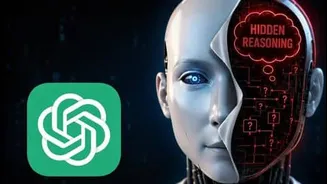
Altman has specifically highlighted the impressive advancements present in GPT-5.5, describing its interactions as remarkably natural and its overall capacity as deeply impressive. He alluded to a form of "autistic genius intelligence," expressing his own astonishment that such a sophisticated system could be engineered. This next iteration of AI is set to redefine user interfaces and significantly simplify tedious, time-consuming aspects of production workflows. The capability for GPT-5.5 to handle tasks delegated through systems like Codex, OpenAI's specialized coding assistant, underscores its potential for complex assignments. Altman's own experience of assigning coding tasks and returning to find them completed exemplifies this newfound autonomy, painting a picture of AI that operates effectively in the background without requiring continuous human intervention.
Future of AI
The implications of these advancements, as articulated by Sam Altman, point towards an AI landscape that is increasingly integrated into the fabric of daily life. The core innovation lies in the transition of AI from passive question-answerers to active problem-solvers. Future chatbots are envisioned not just as conduits for information but as integral components of various work processes. They are expected to significantly boost efficiency by assisting individuals in streamlining their efforts and managing their workloads more effectively. This paradigm shift suggests a future where AI acts as a powerful co-pilot, capable of taking on significant responsibilities and delivering tangible results, thereby freeing up human potential for more creative and strategic endeavors.