




Unified AI Experience
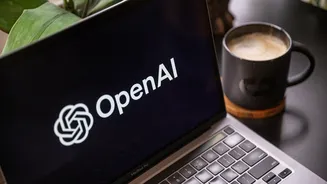
OpenAI is embarking on a significant transformation, consolidating its diverse array of artificial intelligence offerings into a single, cohesive desktop
application. This ambitious project, dubbed a 'superapp,' is designed to simplify how users engage with its cutting-edge technologies, from conversational AI like ChatGPT to advanced coding platforms. The underlying motivation is to combat the fragmentation that has emerged as OpenAI’s product ecosystem has rapidly expanded. By bringing together distinct tools such as the ChatGPT interface, the powerful Codex coding assistant, and its experimental browser functionalities, the company intends to create a seamless user journey. This integration aims to eliminate the need to juggle multiple applications, allowing individuals to fluidly transition between tasks like generating text, writing code, and exploring information without interruption. Company leadership has acknowledged that managing numerous separate applications had begun to impede development progress and impact the overall quality of their offerings. This consolidation is therefore a strategic move to foster internal efficiency and deliver a more polished, user-friendly product to the market.
Strengthening the Code Front
In parallel with the superapp initiative, OpenAI is actively fortifying its position in the highly competitive field of AI-powered coding tools. A key development in this strategy is the confirmed acquisition of Astral, a firm specializing in Python development. While the financial specifics of this deal remain undisclosed, its intent is clear: to integrate Astral’s sophisticated developer tools directly into OpenAI’s existing Codex ecosystem. This move underscores OpenAI's commitment to advancing its coding-focused AI capabilities, an area that has seen a surge in competition. Last year, OpenAI introduced its Codex platform, followed by a dedicated desktop application earlier this year, both aimed at capturing a substantial share of the developer market. However, rivals are not standing still. Competitors, such as Anthropic with its Claude Code, have already garnered significant attention and acclaim for their performance in programming tasks. This heightened competition has compelled OpenAI to intensify its efforts and reinforce its own suite of coding tools. By merging its various platforms into a single, unified application and augmenting its feature set through strategic acquisitions, OpenAI is clearly positioning itself for a future that prioritizes integrated, developer-centric AI solutions.
Leadership and Competition
Guiding this significant product overhaul is OpenAI President Greg Brockman, who will temporarily assume leadership of the restructuring process. His oversight will be crucial in harmonizing the different technological components and ensuring a smooth transition to the unified platform. Meanwhile, Fidji Simo, the Chief of Applications, will concentrate on scaling the commercial aspects of the business, preparing the newly integrated superapp for its market debut. This strategic realignment occurs amidst an intensifying landscape of artificial intelligence innovation and competition. The company's proactive measures, including the superapp push and the Astral acquisition, are partly a response to the growing influence of competitors like Anthropic. Anthropic's tools, particularly those based on its Claude model, have been gaining traction among developers, signaling a dynamic and rapidly evolving market. OpenAI's dual strategy of internal consolidation and external acquisition reflects a clear intention to not only simplify its user offerings but also to aggressively defend and expand its market share in key areas like AI coding.