



What's Happening?
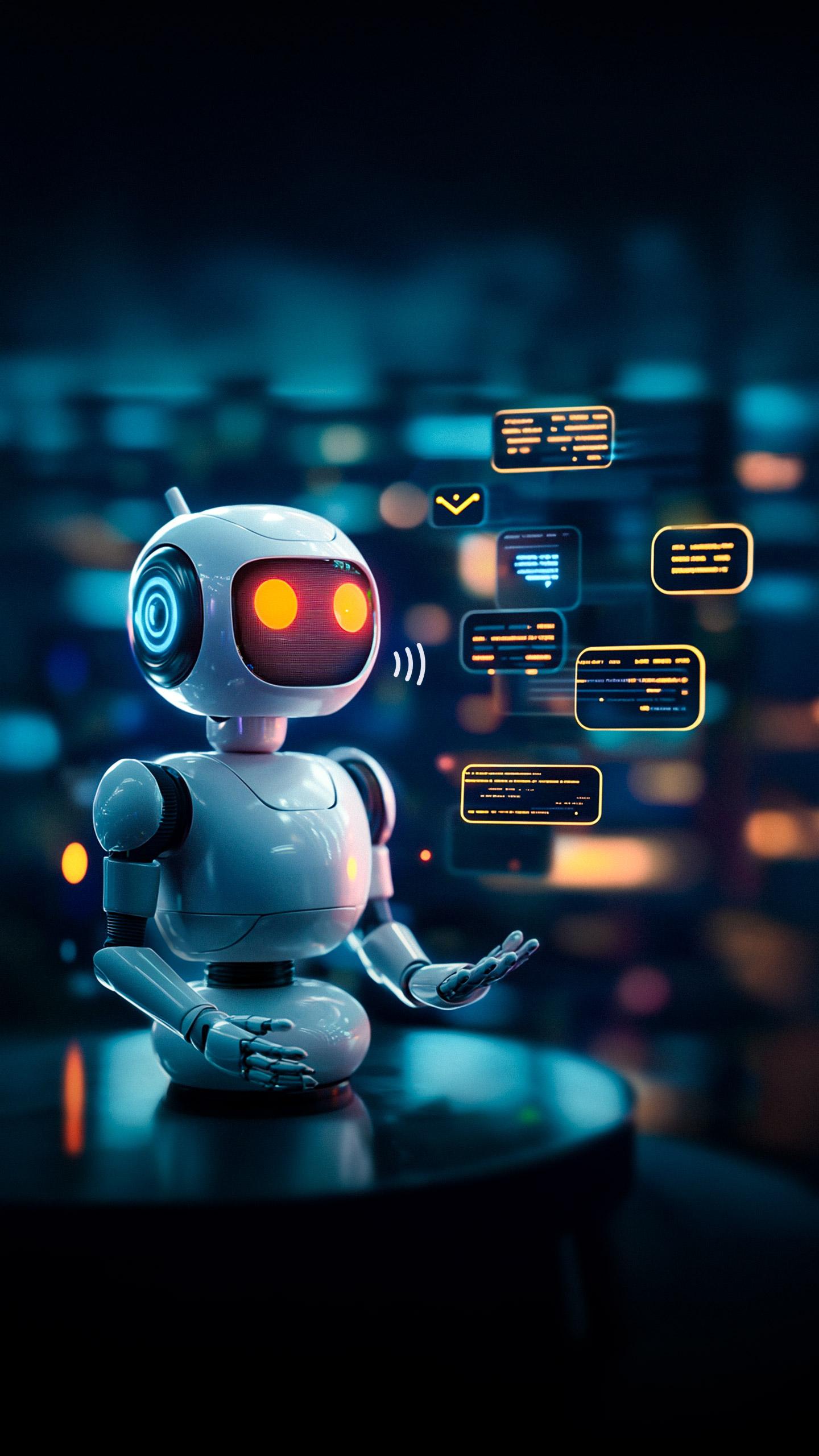
Elon Musk has outlined a vision for Grok Bots where users can build an entire company using specialized AI bots, overseen by a manager bot. This approach emphasizes a division of labor, with each bot assigned
a specific role rather than a single assistant handling all tasks. Musk stated that overloading a single bot would lead to dropped tasks, likening it to a human employee. He reinforced this idea by quoting a user who manages over 30 Grok Bots like a company, advocating for giving each bot a specific job. However, Musk's posts do not include details on pricing, access terms, or measured results demonstrating the bots' ability to independently run a business. A user also raised concerns about the affordability of using multiple bots.
Why It's Important?
This proposal by Elon Musk could significantly impact the future of business automation and the development of artificial intelligence applications in the U.S. If realized, the concept of specialized AI bots managed by a central AI could revolutionize how companies operate, potentially leading to increased efficiency and reduced human oversight in certain sectors. This could create new opportunities for businesses to scale operations and innovate, but also raises questions about job displacement and the economic implications of widespread AI adoption. The lack of pricing and performance data, however, leaves businesses and potential users without crucial information to assess the viability and cost-effectiveness of such a system. The debate around affordability also highlights potential accessibility issues, suggesting that advanced AI tools might remain exclusive to larger enterprises or those with significant financial resources.
What's Next?
The immediate next steps would likely involve Elon Musk or xAI providing more concrete details regarding the Grok Bots' capabilities, pricing models, and access terms. Without this information, it remains a conceptual framework. Businesses and developers will be looking for evidence of the bots' ability to independently run operations and the cost-benefit analysis of implementing such a system. Further development and testing would be required to demonstrate the efficacy of a manager bot overseeing specialized AI tasks. The user community and potential customers will also be awaiting clarification on how the system addresses concerns about affordability and scalability for various business sizes. The regulatory landscape for AI-driven business operations may also evolve as these technologies become more sophisticated.
Beyond the Headlines
The concept of a 'manager bot' overseeing specialized AI workers delves into deeper implications concerning the future of work and organizational structures. It suggests a potential shift in management paradigms, where AI not only performs tasks but also coordinates and optimizes the work of other AI entities. This raises ethical questions about accountability in an AI-managed environment and the potential for algorithmic bias to be amplified across an entire 'company' of bots. Furthermore, the emphasis on specialization and the warning against 'overloading' a single bot reflects a growing understanding of AI limitations and the need for structured, focused applications. This could lead to a re-evaluation of how AI is designed and deployed, moving towards more modular and interconnected systems rather than monolithic, all-encompassing solutions. The long-term societal impact on employment and the nature of human-AI collaboration will be a critical area of observation.