
What's Happening?
Nvidia made a significant commitment to the open-source community by donating OpenShell, its agentic orchestration runtime, to the Cloud Native Computing Foundation (CNCF). This move places OpenShell under
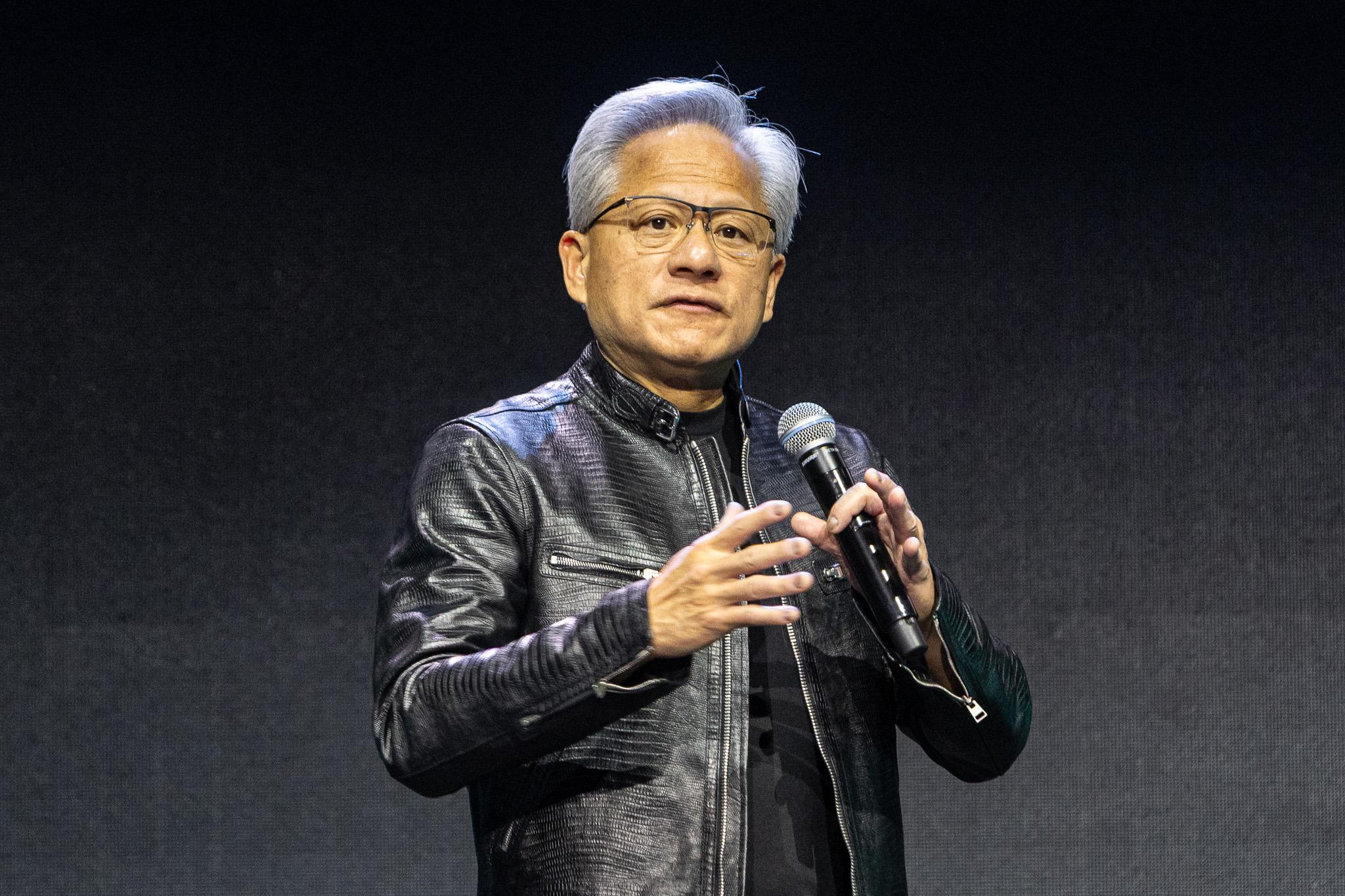
community governance, allowing organizations to build, inspect, and improve its security infrastructure for autonomous agents. However, this announcement was largely overshadowed by the resignation of Nvidia's CEO and president, Jensen Huang, on November 12. Huang's departure followed claims of an affair with a Chinese 'intelligence asset' and a company executive. Under Huang's leadership, Nvidia had been a vocal supporter of open-source initiatives, including the launch of NemoClaw and the formation of the 'Nemotron Coalition' to drive open frontier AI models.
Why It's Important?
The donation of OpenShell to CNCF is a crucial development for the open-source community, as it enhances interoperability and provides a secure foundation for agentic workloads. This move reflects a broader industry trend towards open-source frameworks for AI development, which can foster innovation, transparency, and trust. However, the overshadowing of this technical achievement by the controversy surrounding Jensen Huang's resignation highlights how leadership changes and personal scandals can divert attention from significant corporate and technological advancements. For Nvidia, maintaining its commitment to open-source and AI development will be critical in the post-Huang era, especially as the company navigates the competitive landscape of AI and cloud computing. The incident also underscores the importance of corporate governance and leadership stability in the tech sector.
What's Next?
The open-source community will now take on the governance and development of OpenShell, with Nvidia continuing to collaborate with Google on integrating OpenShell and Agent Substrate for securing and governing agents across various cloud and on-premises systems. The focus will be on ensuring the continued support and funding for the open-source ecosystem, especially from companies benefiting from it. Nvidia's future direction in AI and open-source will be closely watched, particularly how it maintains its momentum and leadership in these areas without its long-standing CEO. The incident may also prompt discussions within the tech industry about the impact of personal conduct on corporate leadership and the perception of companies.
Beyond the Headlines
The controversy surrounding Jensen Huang's resignation and its impact on Nvidia's open-source announcement brings to light the complex interplay between corporate leadership, personal ethics, and technological progress. While the immediate focus is on the scandal, the long-term implications for Nvidia's corporate culture and its commitment to open innovation are significant. The incident could serve as a cautionary tale for other tech leaders regarding the scrutiny they face. Furthermore, the continued push for open-source AI models, despite leadership changes, indicates a fundamental shift in how AI technologies are developed and deployed, emphasizing collaboration and community-driven efforts over purely proprietary approaches. This shift has profound implications for the future of AI, promoting greater accessibility and potentially accelerating its development across various industries.