


What's Happening?
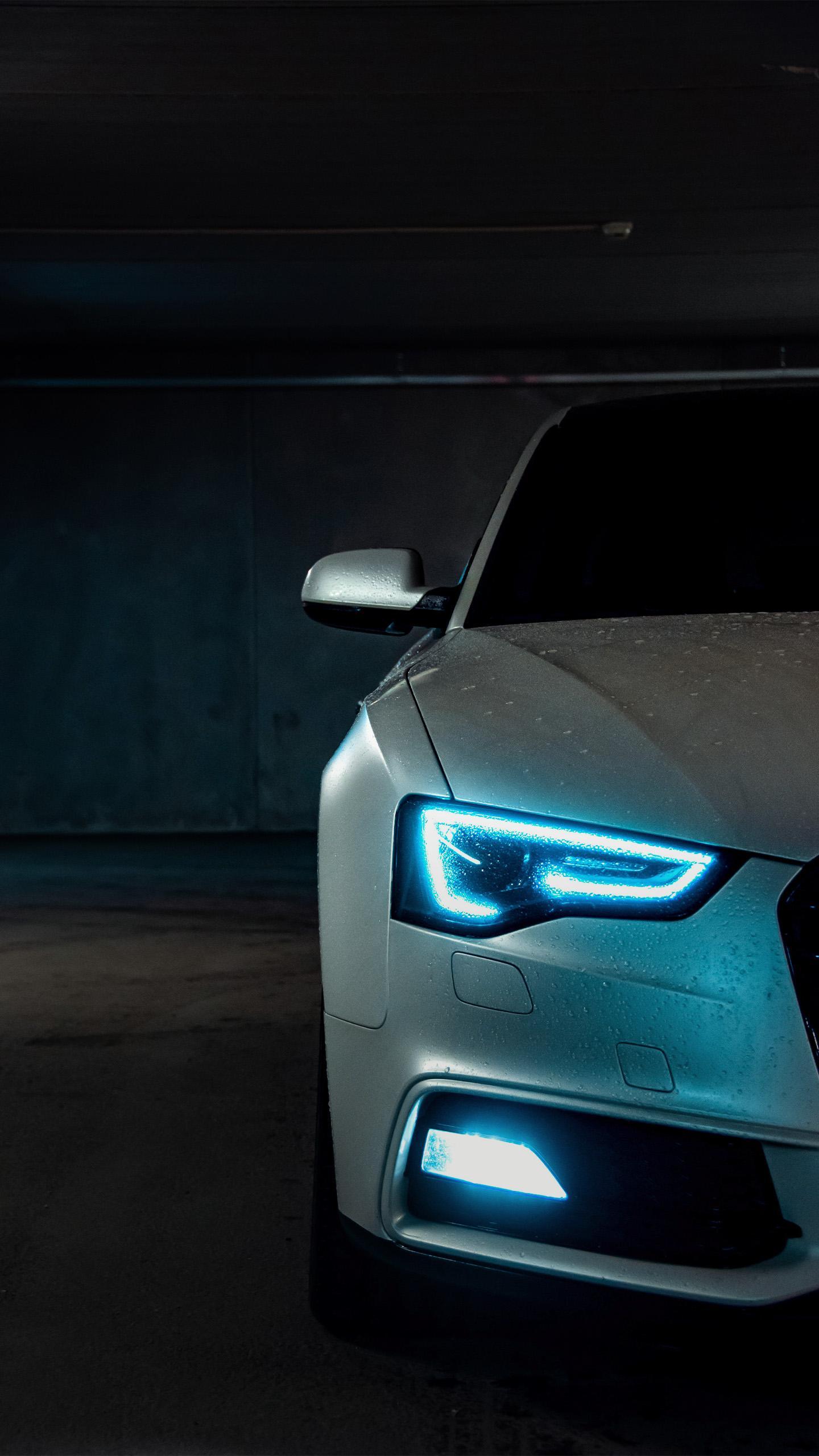
The automotive perimeter lighting system market is undergoing significant transformation, moving beyond basic illumination to advanced systems that enhance visibility, prevent accidents, and communicate
vehicle intent. This evolution is primarily driven by the increasing demand for enhanced safety features, particularly in nighttime and low-light conditions. The expansion of electric and autonomous vehicles is creating new requirements, as these platforms integrate advanced lighting for charging visibility and pedestrian communication. Rising consumer awareness of vehicle aesthetics and personalization, especially among younger demographics, also influences purchasing decisions. Technological advancements in LED and adaptive lighting solutions are improving energy efficiency and aesthetic appeal, while regulatory support for enhanced lighting standards encourages manufacturers to invest in these advanced systems.
Why It's Important?
This shift in automotive lighting is crucial for U.S. consumers and the automotive industry. Enhanced perimeter lighting directly contributes to road safety by improving visibility for drivers and making vehicles more noticeable to pedestrians and other road users, potentially reducing accident rates. For the automotive industry, this represents a significant area of innovation and market growth, with companies like Hella, Valeo, and Osram investing in adaptive and AI-integrated lighting systems. The integration of smart lighting with IoT technology in electric and autonomous vehicles is setting new standards for vehicle design and functionality, creating new revenue streams through customizable solutions and potentially subscription-based services for over-the-air lighting customization. This also impacts public policy as governments implement stricter safety and visibility standards, pushing manufacturers towards more advanced solutions.
What's Next?
The future of automotive perimeter lighting points towards deeper integration with IoT technology and the development of highly customizable solutions, particularly for luxury vehicles. AI-driven light distribution is expected to become standard, allowing vehicles to communicate more effectively with pedestrians and infrastructure. A key factor for future development will be the speed at which adaptive lighting systems achieve regulatory approval across different markets. The potential for over-the-air lighting customization to create new subscription revenue streams is also a significant area of exploration for manufacturers. Companies are expected to continue investing heavily in research and development for next-generation lighting technologies, focusing on sustainability, energy efficiency, and seamless integration with broader smart vehicle systems.
Beyond the Headlines
The evolution of automotive perimeter lighting extends beyond mere functionality, touching upon broader societal and technological implications. The increasing sophistication of vehicle-to-pedestrian communication through lighting could fundamentally alter urban mobility and pedestrian safety, creating more intuitive and safer interactions in shared spaces. Ethically, the development of AI-driven lighting raises questions about algorithmic bias in light distribution and its potential impact on different road users. Culturally, the emphasis on vehicle aesthetics and personalization through lighting reflects a growing desire for individualized experiences, even in utilitarian objects like cars. This trend could also lead to a redefinition of vehicle identity and branding, where lighting becomes a signature element. The long-term impact could be a more harmonized and intelligent urban environment, where vehicles are not just modes of transport but active participants in a connected ecosystem.