



What's Happening?
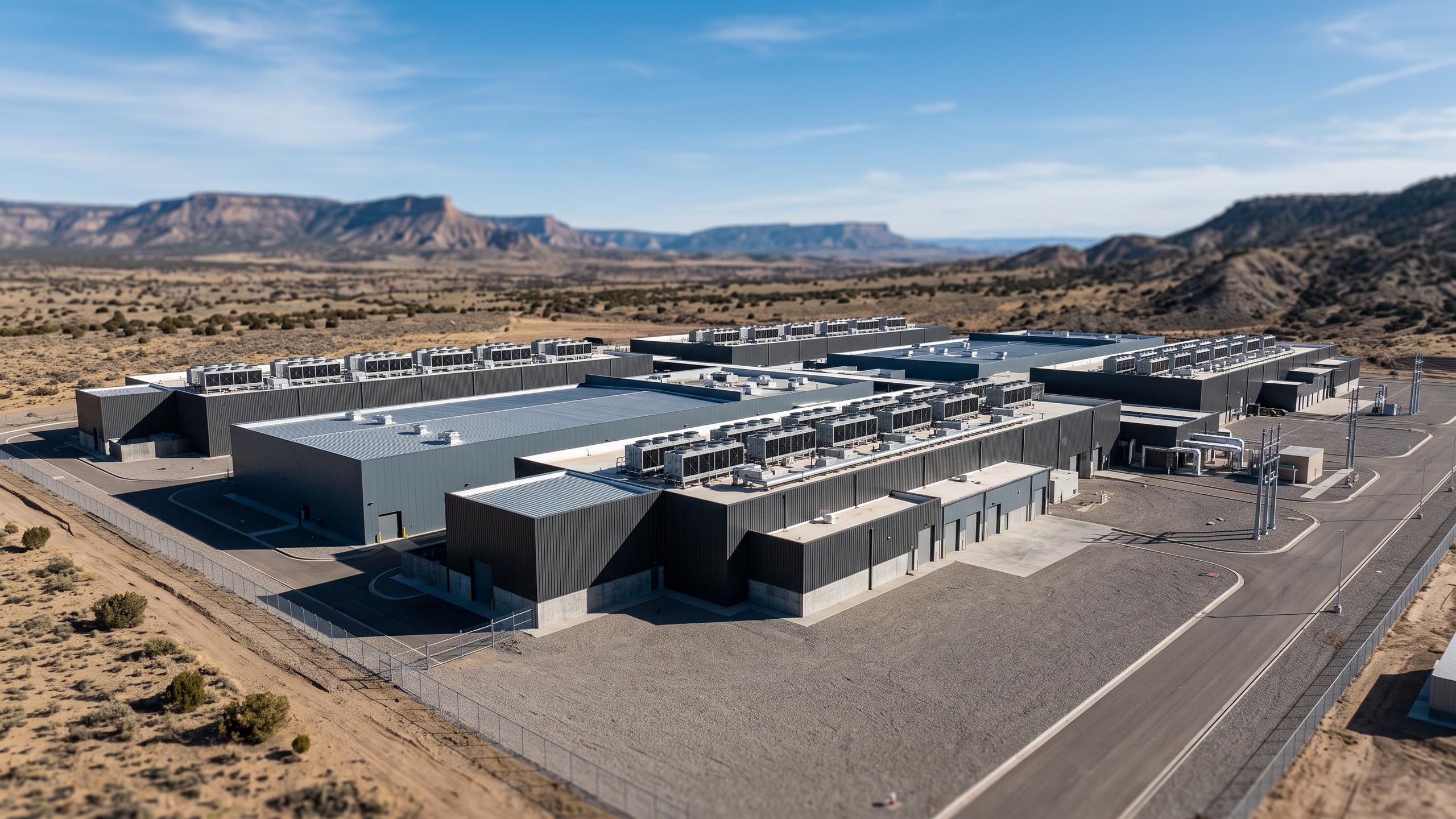
The Stargate AI venture, backed by OpenAI, SoftBank, and Oracle, is encountering financial hurdles as the broader data center market experiences a slowdown. ING is reportedly seeking buyers for a portfolio
of 12 data center loans totaling approximately $500 million, which includes a $25 million portion of the Stargate campus in New Mexico. This development comes as the data center boom has met a 'hard stop,' with an estimated $260 billion in data center investments canceled between 2026 and early October due to local opposition. Voters in 10 states have largely sided with limiting data center development in recent ballots, further contributing to the industry's challenges. JPMorgan Chase and Morgan Stanley are also exploring sales of data center construction debt to non-bank lenders.
Why It's Important?
The financial challenges facing the Stargate AI venture and the broader data center industry have significant implications for the U.S. economy and technological advancement. The reported $260 billion in canceled investments highlights a substantial shift in market dynamics, potentially impacting job creation, local tax revenues, and the pace of AI infrastructure development. Lenders are actively reducing their exposure to data center debt, indicating a growing concern about the sector's stability. This could lead to tighter credit conditions for future data center projects, potentially slowing down the expansion of critical infrastructure needed to support AI and other data-intensive technologies. The opposition from local communities also underscores a growing tension between technological progress and environmental or community concerns, which could shape future development policies.
What's Next?
The ongoing efforts by lenders like ING, JPMorgan Chase, and Morgan Stanley to offload data center debt suggest a continued re-evaluation of investment in the sector. This could lead to more stringent financing requirements for new projects and potentially a consolidation among data center developers. The equipment left behind from canceled projects, such as generators and chillers, is now being liquidated by companies like SecondBloom Auctions, indicating a secondary market for these assets. This could offer opportunities for other industries, such as hospitals or factories, to acquire necessary infrastructure more quickly. The trend of local opposition to data center development is likely to persist, prompting developers to engage more proactively with communities and address concerns regarding environmental impact and resource consumption.
Beyond the Headlines
The current slowdown in data center investment and the challenges faced by projects like Stargate AI reveal deeper implications beyond immediate financial concerns. The significant amount of canceled investment points to a potential overestimation of demand or an underestimation of local resistance. This situation could force a re-evaluation of how large-scale technological infrastructure projects are planned and integrated into communities. The environmental impact of data centers, particularly their energy and water consumption, is becoming a more prominent factor in public and political discourse. This could lead to increased regulatory scrutiny and a push for more sustainable data center designs and operations. The shift in lending practices also suggests a broader recalibration of risk assessment in emerging technology sectors, potentially influencing investment strategies across various industries.