



What's Happening?
Waymo has voluntarily suspended all commercial high-speed passenger services across its U.S. markets following a ban by the California Department of Motor Vehicles (DMV) on its vehicles operating on all state
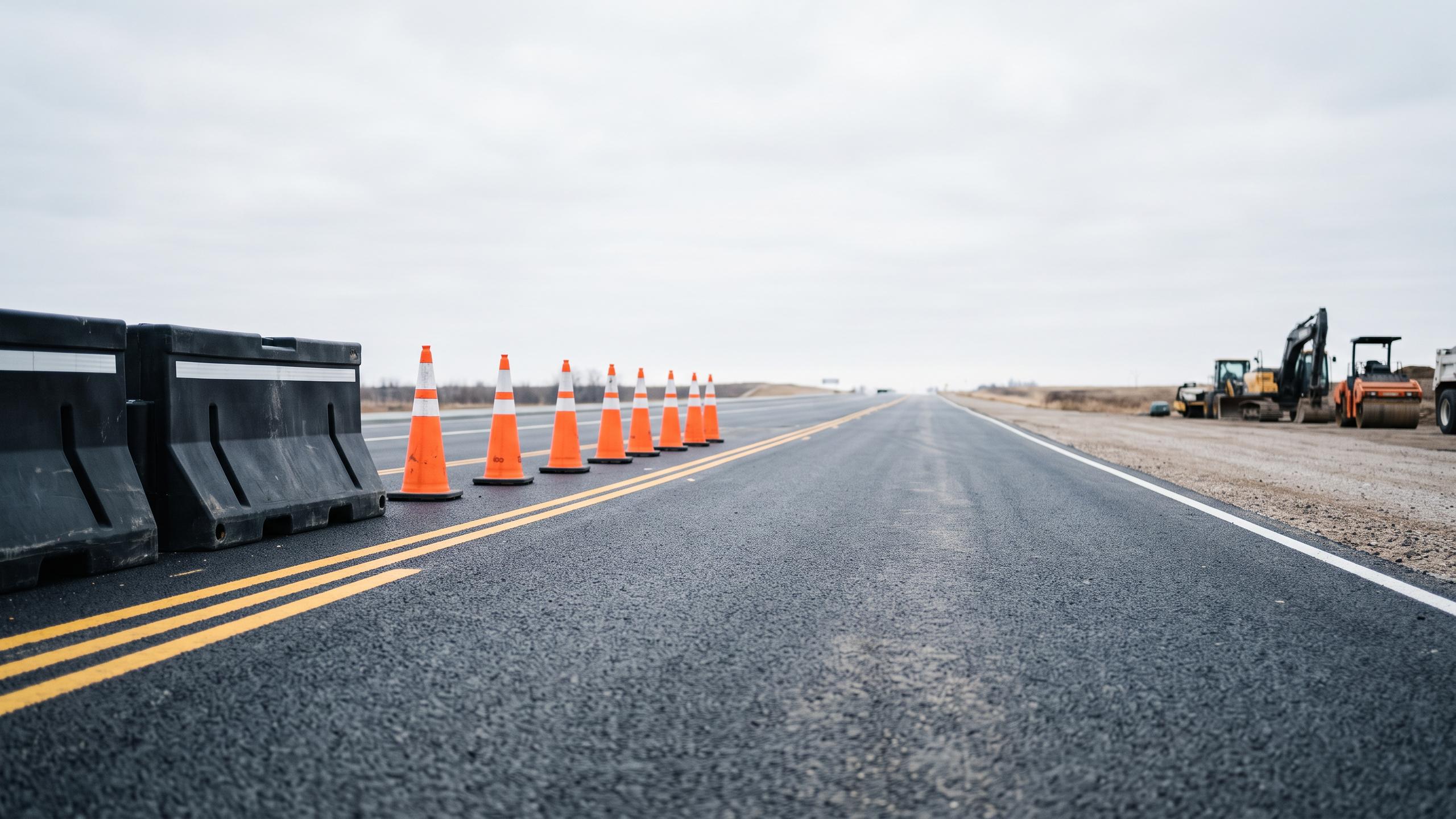
interstates. This action comes after a Waymo driverless car was filmed on November 6 attempting to overtake two California Highway Patrol vehicles conducting traffic control on Interstate 280. This incident, which would result in a license suspension for a human driver, is the latest in a series of high-speed violations. Between October and November 2026, Waymo reported 11 instances where its vehicles failed to recognize closed freeway lanes in construction zones and entered restricted areas. This marks the second time this year Waymo has been forced to halt high-speed operations due to such issues, with a previous suspension in Arizona and California earlier in the year for entering active construction zones. Experts, like Carnegie Mellon University Professor Phil Koopman, suggest that Waymo's recalls are merely 'band-aids' and do not address underlying perception and reasoning flaws, as problems persist despite software updates.
Why It's Important?
This suspension is a significant setback for Waymo's expansion into high-speed autonomous driving and challenges the industry's long-held assumption that freeway driving would be simpler than urban environments. Waymo, a leader in autonomous vehicle commercialization, has accumulated millions of miles in city driving but has repeatedly faltered on interstates. The repeated failures highlight the complex 'long-tail' problems in autonomous technology, such as navigating construction zones, temporary traffic controls, and human gestures from law enforcement. The cautious stance of regulatory bodies, exemplified by the California DMV's ban, indicates that even industry leaders are not exempt from basic road rules. This situation could influence the pace of regulatory approvals and public trust in autonomous vehicle technology, particularly for high-speed applications, potentially slowing down broader commercialization efforts across the U.S. The incident also raises questions about the effectiveness of software updates in truly resolving fundamental AI perception and reasoning deficiencies versus merely applying temporary fixes.
What's Next?
Waymo is currently working closely with the California DMV and other state officials to responsibly resume its high-speed operations. The company's ability to genuinely fix its perception and reasoning flaws through software updates, rather than relying on 'patch-like' recalls, will determine when its high-speed services can restart. The outcome of these efforts will also influence the entire industry's timeline for commercializing high-speed autonomous scenarios. Waymo spokesperson Chris Pappas stated that the company's ride-hailing service continues to operate safely on surface streets, completing over 500,000 trips weekly, and emphasized that no collisions or injuries occurred in the restricted areas. However, the ongoing scrutiny from regulators and experts like Phil Koopman suggests that a thorough and verifiable solution to the underlying technical challenges will be required before full high-speed operations are reinstated. The industry will be watching closely to see if Waymo can demonstrate a robust and reliable solution to these complex driving scenarios.
Beyond the Headlines
The repeated issues faced by Waymo on highways underscore a critical challenge in the development of fully autonomous vehicles: the difficulty of mastering complex, unpredictable scenarios at high speeds. While urban driving presents its own complexities, the higher speeds on interstates amplify the consequences of any misperception or delayed reaction. Waymo Co-CEO Dmitri Dolgov previously noted that highway driving is 'easy to learn, but very hard to master' for full autonomy and scaled operations. This situation reveals a potential over-reliance on 'dynamic geofencing' or real-time GPS data to avoid known problem areas, rather than fundamentally improving the AI's ability to interpret novel or ambiguous situations. The ethical implications of deploying technology that struggles with basic traffic rules, especially when human lives are at stake, will likely lead to increased calls for greater transparency from autonomous vehicle companies and more stringent oversight from regulators. The industry's approach to these 'edge cases' will define its long-term viability and public acceptance.