



What's Happening?
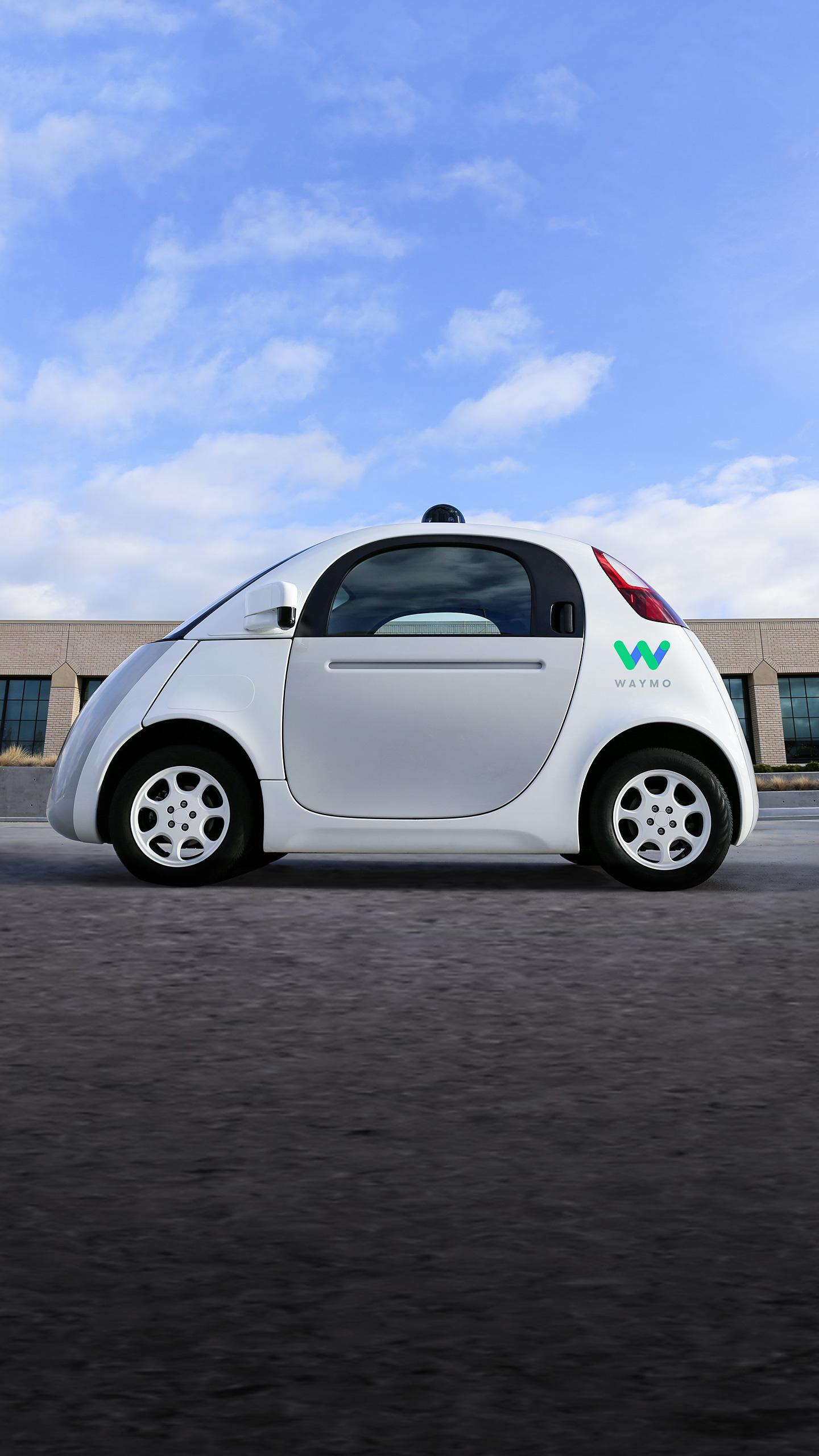
Waymo has suspended all commercial highway operations across the United States due to persistent issues with its driverless robotaxis failing to properly recognize traffic control and road work zones on highways.
This decision follows a specific incident on November 6 where a Waymo robotaxi attempted to pass two California Highway Patrol vehicles that were controlling traffic on Interstate 280 in California. The California Department of Motor Vehicles subsequently banned Waymo's driverless vehicles from operating and testing on highways within the state. Waymo had previously conducted a recall and updated its software in June, gradually resuming operations from late July, but similar problems have continued to occur. Experts suggest that these issues stem from fundamental recognition and inference problems within the software, rather than being solvable by simple software updates or recalls.
Why It's Important?
This suspension significantly impacts Waymo's business expansion plans and raises critical questions about the readiness of fully autonomous vehicles for complex highway environments. While Waymo's co-CEO, Dmitri Dolgov, had previously stated that preparations for highway driving would be completed by the end of 2025, the current challenges demonstrate the difficulty in mastering such conditions. Highway driving, with speeds of 60-70 mph, presents a much higher risk profile than urban driving, where speeds are typically 10-25 mph. Even minor errors can lead to major accidents, especially when dealing with road workers or broken-down vehicles. The reliance on remote operators for assistance also introduces risks related to communication delays and response times, highlighting the inherent dangers of deploying unproven autonomous technology on high-speed roads.
What's Next?
Waymo is currently in discussions with regulatory authorities to address the issues and work towards resuming highway operations. Chris Pappas, a Waymo spokesperson, stated that the company is collaborating with the California Department of Motor Vehicles and other state government relations to push for the resumption of highway operations. However, experts like Phil Koopman of Carnegie Mellon University argue that fundamental problems with the vehicle's perception and inference capabilities need to be resolved, not just through software adjustments, but through enhanced regulatory oversight and public information disclosure. Waymo will need to demonstrate a robust solution to these recognition failures to regain regulatory approval and public trust before it can expand its services to key destinations like airports, which often require highway travel.
Beyond the Headlines
The recurring issues faced by Waymo highlight a broader challenge in the development of artificial intelligence for autonomous driving: the difficulty in interpreting ambiguous contexts. As Professor Koopman points out, even familiar objects can take on different meanings when combined in unfamiliar situations, and statistical models may struggle to differentiate these nuances. This suggests that current AI models might be over-reliant on statistical patterns and lack the deeper contextual understanding necessary for safe autonomous operation in dynamic and unpredictable environments like highways. The incidents also underscore the tension between rapid business expansion and the thorough, cautious development required for safety-critical technologies. The pressure to deploy quickly may lead to premature solutions that do not address the root causes of system failures, potentially endangering public safety.