


What's Happening?
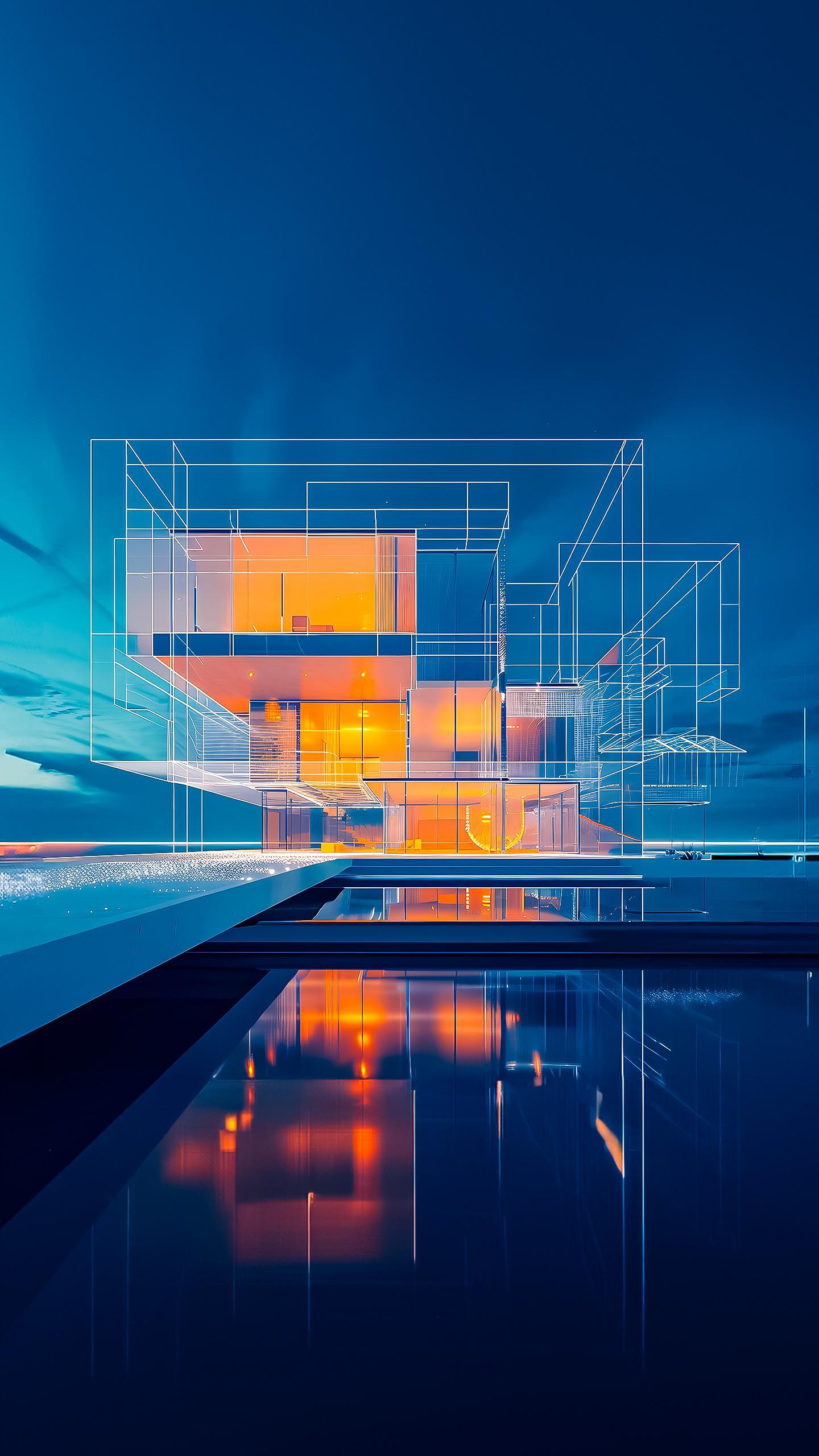
Raya.design has introduced an AI rendering palette for Archicad, enabling architects and interior designers to transform Archicad views into photorealistic AI visualizations and short videos. This add-on
allows users to generate high-quality renders from any active Archicad view, including 3D views, plans, sections, elevations, or layouts, in under a minute. The process eliminates the need for manual render scene preparation, light configuration, or material setup, and does not require a powerful graphics card as the image generation occurs in the Raya cloud. Key capabilities include photorealistic exterior and interior visualizations, lighting presets (sunny, cloudy, golden hour, dawn, night), seasonal variations, optional material descriptions, area editing, 4K upscaling, and the creation of short AI video clips.
Why It's Important?
This integration is significant for the architecture and interior design industries, particularly for firms utilizing Archicad. It addresses a long-standing challenge of time-consuming and resource-intensive rendering processes. By automating photorealistic visualizations, Raya.design can drastically reduce project timelines and operational costs for design studios. This efficiency allows architects to present concepts to clients earlier in the design process, facilitating quicker feedback and decision-making. Interior designers can also benefit by rapidly showcasing multiple finish variants without extensive manual rendering. The cloud-based processing means that even smaller firms without high-end hardware can produce professional-grade visuals, leveling the playing field and potentially increasing competitiveness across the industry.
What's Next?
The immediate next steps for Raya.design will likely involve continued refinement of the AI rendering algorithms and expansion of features based on user feedback. As more architects and designers adopt this technology, there could be a growing demand for integration with other popular CAD and BIM software. The success of this tool may also encourage other software providers to develop similar AI-powered rendering solutions, fostering innovation and competition in the architectural visualization market. Furthermore, the ability to generate short AI video clips suggests a future trend towards more dynamic and immersive client presentations, potentially leading to new standards in design communication.
Beyond the Headlines
Beyond the immediate benefits of speed and cost-efficiency, Raya.design's AI rendering tool could fundamentally change how design concepts are developed and communicated. It shifts the focus from the technicalities of rendering to the creative aspects of design, allowing professionals to experiment more freely with different aesthetics and environmental conditions. This could lead to more innovative and diverse architectural outcomes. However, it also raises questions about the role of human artistry in rendering and whether AI-generated visuals might lead to a homogenization of aesthetic styles if not carefully managed. The accessibility of high-quality visualizations could also empower clients with more detailed insights, potentially altering the dynamics of client-designer collaboration.