



What's Happening?
Eight Sleep, a New York-based company specializing in sleep technology, has introduced its Pod 6, an advanced biometric autopilot system designed to improve sleep quality. The Pod 6 functions by adjusting
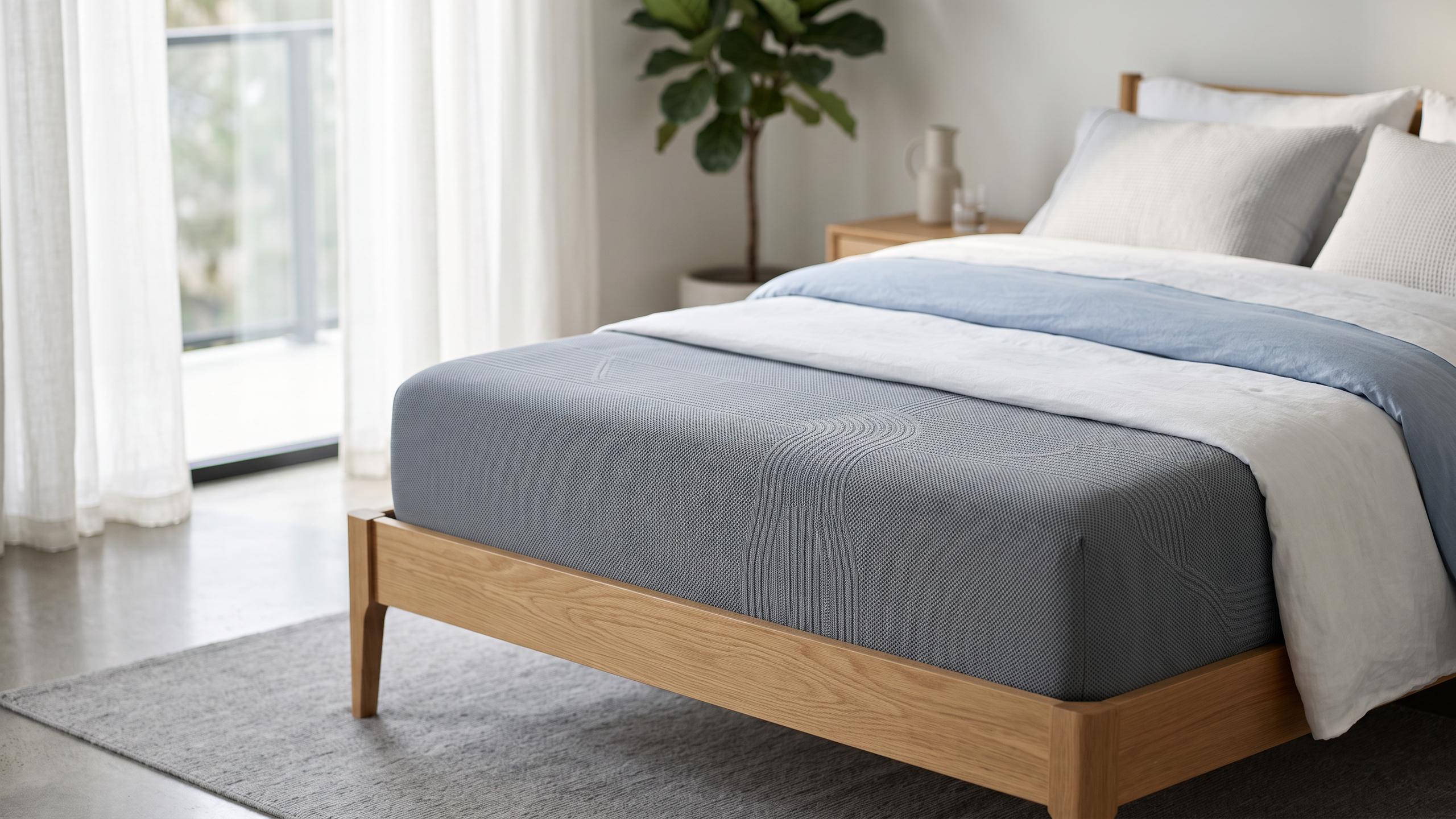
temperatures throughout the night, utilizing data collected over time to optimize sleep cycles. Dr. Nicole Moyen, Director of Science & Clinical Research at Eight Sleep, emphasizes the importance of fine-tuning the sleep environment and prioritizing optimal sleep temperature, noting that a core body temperature drop of at least one degree is necessary to fall asleep. The system aims to prevent sleep disruptions caused by temperature fluctuations, which can lead to overheating and interrupted sleep cycles. An editor's review highlights significant improvements in deep and REM sleep over nearly three years of using Eight Sleep products, including the previous Pod 4 and the new Pod 6. The Pod 6 features a smaller, less obtrusive design compared to its predecessor, with a seamless mattress cover containing embedded biometric sensors. New settings include autopilot programs for pregnancy, postpartum, menopause, and a rapid cooling function.
Why It's Important?
The advancement in sleep technology offered by Eight Sleep's Pod 6 holds significant importance for public health and individual well-being in the U.S. Chronic sleep deprivation and poor sleep quality are widespread issues, contributing to various health problems, reduced productivity, and decreased quality of life. By providing a personalized and adaptive sleep environment, the Pod 6 addresses a fundamental aspect of restorative sleep: temperature regulation. The ability of the device to learn and adjust to individual sleep patterns can lead to more consistent and deeper sleep, potentially mitigating issues like sleep apnea and other chronic conditions that impact sleep. For individuals with specific needs, such as those experiencing pregnancy, postpartum, or menopause, the tailored autopilot programs offer targeted support, highlighting a move towards more personalized healthcare solutions. The investment in such technology underscores a growing recognition of sleep as a critical component of overall health, potentially influencing consumer spending habits and driving further innovation in the wellness and consumer electronics industries.
What's Next?
The continued development and adoption of products like the Eight Sleep Pod 6 suggest a future where personalized sleep technology becomes more integrated into daily life. As consumers become more aware of the benefits of optimized sleep, demand for such devices is likely to increase. Eight Sleep may continue to expand its offerings, potentially introducing more specialized programs or integrating with other health and wellness platforms. The company's focus on biometric data and adaptive technology indicates a trend towards proactive health management, where devices continuously learn and adjust to individual physiological needs. Competitors in the sleep technology market may also accelerate their research and development to offer similar or more advanced solutions, fostering innovation and competition. Furthermore, the data collected by these devices could contribute to broader scientific understanding of sleep patterns and their impact on health, potentially informing future medical recommendations and public health initiatives.
Beyond the Headlines
The rise of advanced sleep technology like the Eight Sleep Pod 6 points to deeper societal shifts in how individuals approach health and wellness. It signifies a move beyond reactive treatment of symptoms towards proactive, data-driven self-care. The ethical implications of collecting extensive biometric data, even for personal health improvement, will likely become a more prominent discussion point, particularly concerning data privacy and security. Culturally, the emphasis on optimizing sleep through technology could redefine traditional notions of rest, transforming it from a passive activity into an actively managed process. This could lead to increased expectations for sleep quality and a greater willingness to invest in technologies that promise to deliver it. The long-term impact on healthcare systems could be substantial, as improved sleep quality across the population might reduce the incidence of chronic diseases and associated healthcare costs. This trend also highlights the growing intersection of consumer electronics, artificial intelligence, and personal health, blurring the lines between lifestyle products and medical devices.