

What's Happening?
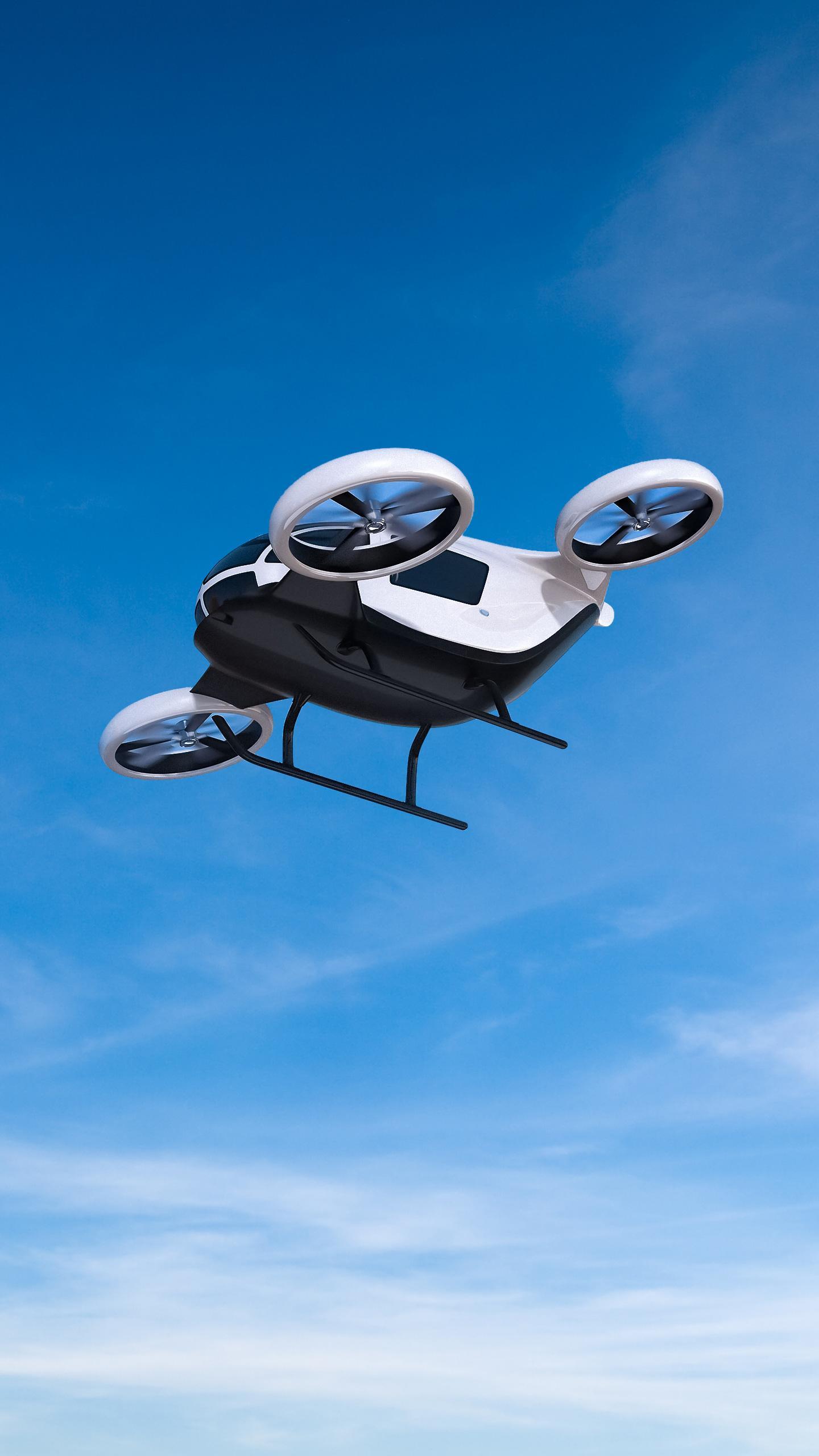
BETA Technologies, in collaboration with Surf Air Mobility and Hawaiian Airlines, recently conducted a demonstration of its all-electric ALIA aircraft at Daniel K. Inouye International Airport in Honolulu.
The event aimed to assess the aircraft's potential for supporting interisland cargo services and, eventually, passenger transport within Hawaii. The ALIA aircraft, manufactured in Vermont, is designed to carry up to 200 cubic feet of cargo. The demonstration focused on evaluating real-world performance metrics, including operating costs, maintenance requirements, energy consumption, ground handling procedures, and necessary infrastructure. This initiative builds upon Hawaii's previous engagements with electric flight, such as the Solar Impulse's arrival in 2015 and Ampaire's hybrid-electric Electric EEL demonstration flights in 2020. A key challenge highlighted is the development of scalable charging infrastructure, with BETA's current solution involving the Mini Cube, a mobile charging unit designed to temporarily power aircraft while permanent electric infrastructure is established.
Why It's Important?
This demonstration is significant as it represents a comprehensive evaluation of electric aviation as a complete system, rather than just an aircraft. By assessing performance, operating costs, maintenance, energy use, ground handling, and infrastructure collectively, the initiative underscores the integrated approach required for viable electric flight routes. The focus on short interisland routes in Hawaii is particularly strategic, as these routes are well-suited for early adoption of electric aircraft due to battery limitations for longer flights. The potential for locally produced electricity to power these aircraft could reduce Hawaii's reliance on imported fuel, offering long-term economic and environmental benefits. From a utility perspective, increased daytime charging loads could help spread fixed grid costs over a larger volume of electricity sold, potentially leading to lower per-unit electricity costs for consumers. This integrated testing is crucial for proving the commercial viability and operational feasibility of electric aviation in a real-world context.
What's Next?
The successful demonstration paves the way for further development and integration of electric aviation into Hawaii's interisland transportation network. Future steps will likely involve continued data collection and analysis from these trials to refine aircraft operations, optimize charging solutions, and plan for permanent infrastructure development. Collaboration between aviation companies, utility providers, and local government will be essential to address the challenges of scaling electric transportation, particularly regarding grid integration and charging station deployment. The insights gained from this demonstration could inform regulatory frameworks and investment strategies for electric aviation not only in Hawaii but also in other regions with similar short-haul transportation needs. As the technology matures and infrastructure expands, the transition from cargo to passenger service will be a key milestone to watch.
Beyond the Headlines
The broader implications of this demonstration extend to the potential transformation of regional air travel and logistics. Electric aviation promises cleaner, quieter, and potentially more affordable air transport, which could open up new routes and make existing ones more profitable, especially for remote communities. The emphasis on developing integrated solutions—aircraft, charging, and ground handling—highlights a shift in the aviation industry towards a holistic ecosystem approach. This could foster innovation in energy management and smart grid technologies. Furthermore, the adoption of electric aircraft could contribute to national sustainability goals by reducing carbon emissions from the aviation sector. The success of such initiatives could also spur economic growth through job creation in manufacturing, infrastructure development, and maintenance of electric aircraft and related systems, positioning early adopters like Hawaii as leaders in sustainable aviation.