




What's Happening?
STMicroelectronics, a global semiconductor leader, has announced a significant strategic evolution of its STM32 portfolio, introducing a unified microcontroller platform designed for industrial, automotive,
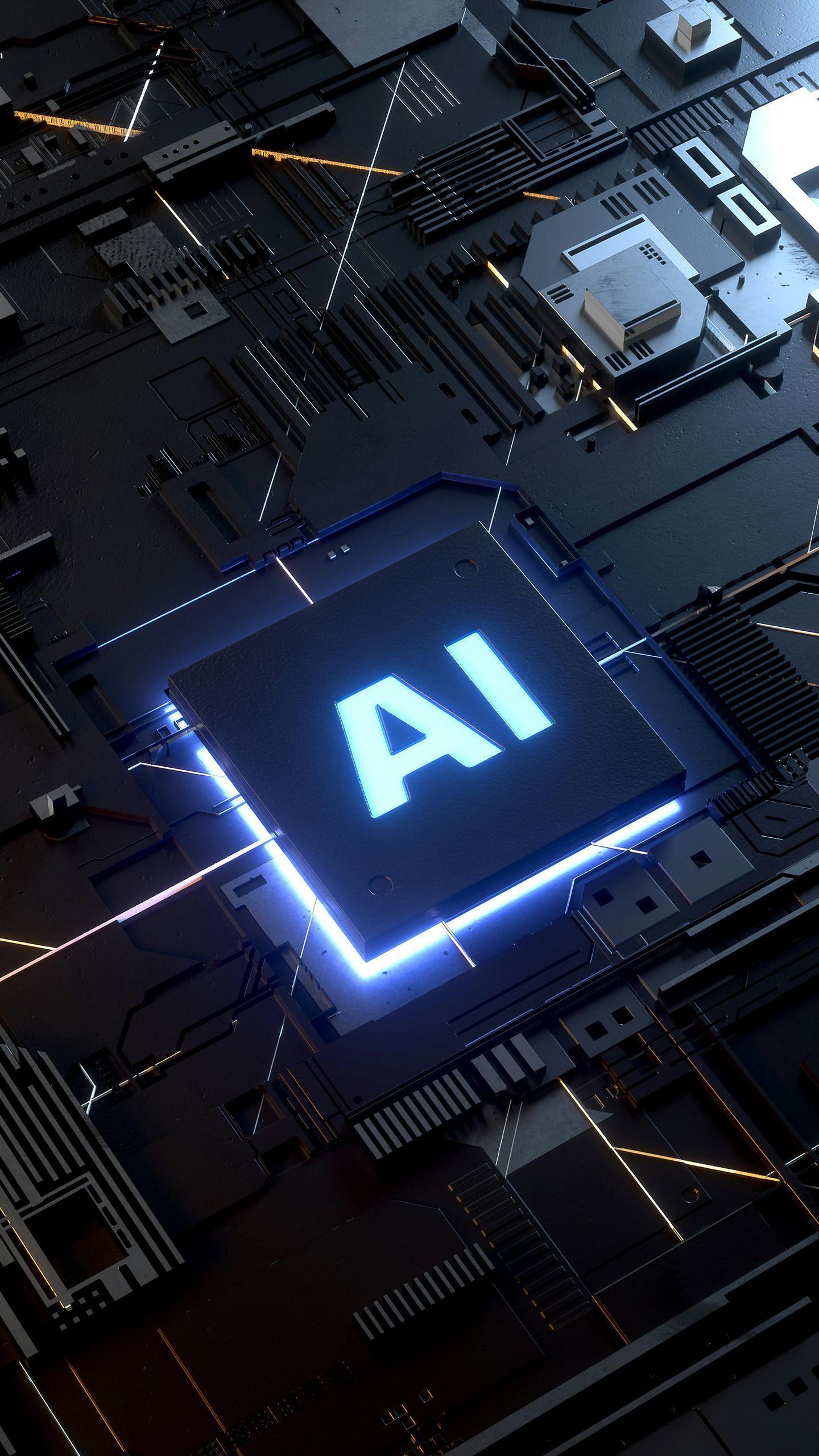
and robotics applications. This new platform, unveiled at the STM32 Summit in Silicon Valley, aims to streamline development for advanced embedded systems by enabling greater continuity and software reuse across various application domains, including emerging physical AI systems. A central component of this strategy is the new STM32A family, which extends the platform's reach into automotive and safety-critical systems. The company also introduced the STM32G5 series of mixed-signal microcontrollers for real-time power control in AI datacenters and robotics, and the STM32H7P, combining a Cortex-M7 processor with a Hardware Signal Processor DSP accelerator and an 82-GOPS Neural-ART accelerator. Additionally, STMicroelectronics updated its AI software offering with new tools like Model Explorer, Model Factory, Model Bench, and Dataset Factory, alongside STM32Cube for Agentic AI to assist AI-powered workflows.
Why It's Important?
This unified STM32 platform is crucial for the U.S. technology and manufacturing sectors, particularly in automotive, industrial automation, and AI. By allowing developers to reuse software, tools, and intellectual property across different product families and markets, STMicroelectronics is addressing the increasing complexity of connected, software-defined, and autonomous systems. This approach can accelerate the development cycle for U.S. companies, reducing time-to-market for innovative products in critical areas like electric vehicles, smart factories, and advanced robotics. The focus on physical AI, which Arm Executive Vice President Drew Henry estimates could be a $200 billion compute market by the middle of the next decade, signifies a major growth opportunity. U.S. industries stand to benefit from more efficient, secure, and intelligent embedded systems, enhancing competitiveness and fostering innovation in high-tech manufacturing and AI-driven applications.
What's Next?
STMicroelectronics plans to continue expanding its STM32 platform, with initial devices, Nucleo boards, and Discovery kits for the STM32G5 series already available, and a dual-core version under development for release next year. The company also intends to release Holoscan Sensor Bridge software as a native component of the STM32Cube ecosystem in the coming months and develop simulation libraries for its sensor, MEMS, microcontroller, and actuation portfolios. These developments suggest a continuous push towards integrating advanced AI capabilities and enhanced security features into its microcontroller offerings. The collaboration with partners like Arm and NVIDIA indicates a broader industry effort to define future roadmaps for embedded systems and physical AI, which will likely lead to more sophisticated and interconnected technologies across various U.S. industries.
Beyond the Headlines
The strategic shift by STMicroelectronics towards a unified microcontroller platform highlights a broader trend in the semiconductor industry: the convergence of technologies across diverse application domains. This move not only addresses the technical challenges of developing complex embedded systems but also has significant implications for intellectual property management and supply chain resilience. By emphasizing software reuse and a consistent architecture, STMicroelectronics is fostering an ecosystem that could reduce fragmentation in embedded development, potentially leading to more standardized and interoperable solutions. This approach could also influence educational and workforce development initiatives in the U.S., as a unified platform might simplify training and skill development for engineers working on next-generation automotive, industrial, and AI applications, ultimately shaping the future of embedded systems design and deployment.