
What's Happening?
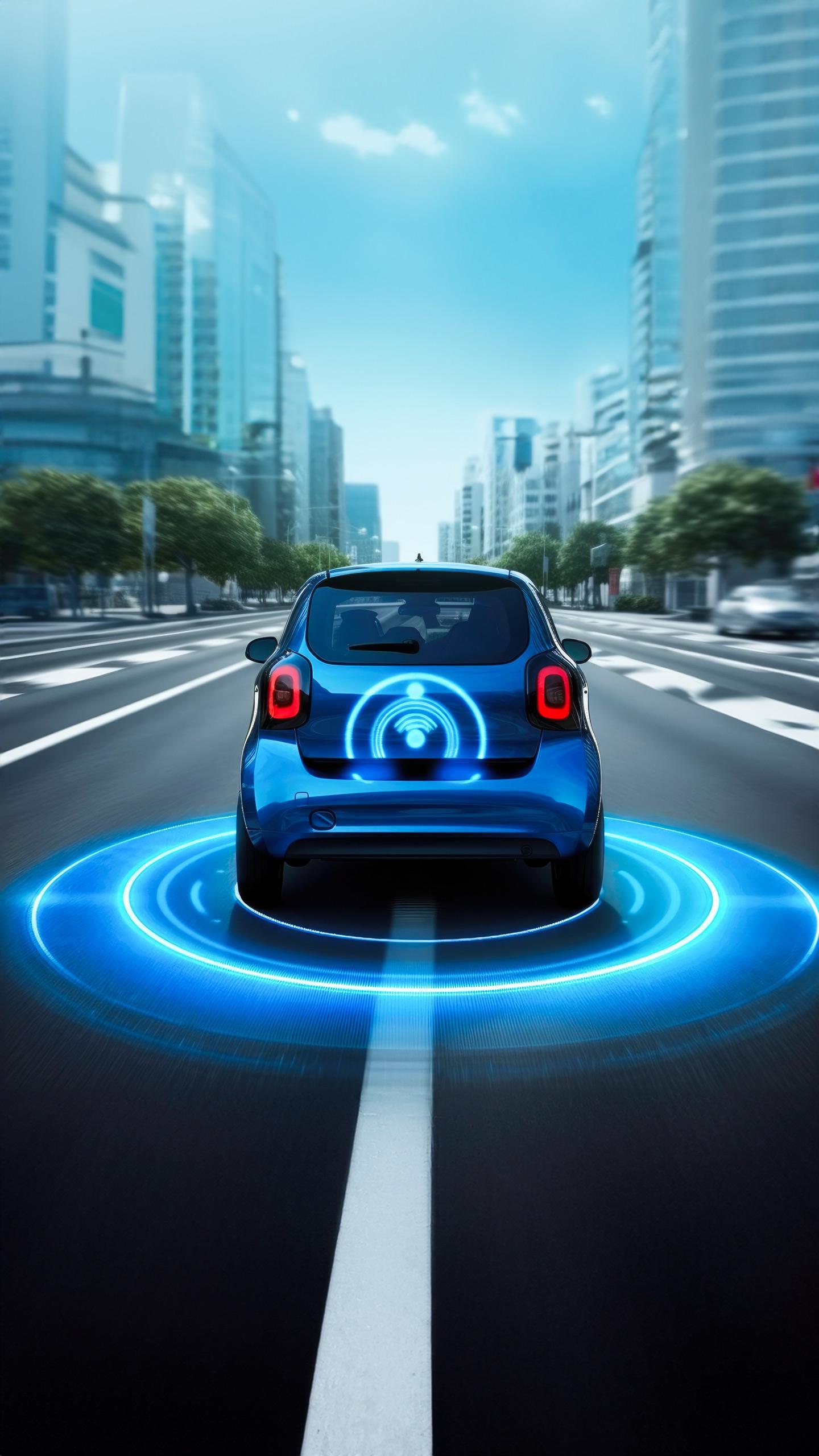
Tesla, Inc. (TSLA) offers its Full Self-Driving (FSD) software to U.S. owners for a monthly subscription of $99, accessible directly from the car's screen. This software enables the vehicle to perform
advanced maneuvers, such as steering around corners autonomously. However, a critical aspect of the FSD system, as highlighted by the source, is that the driver is still required to actively monitor the road. This stipulation underscores that while the technology provides significant assistance, it does not yet achieve full autonomy, necessitating human oversight to ensure safety and compliance with current operational limitations. The availability of FSD as a subscription service reflects Tesla's strategy to generate recurring revenue from its advanced technological offerings.
Why It's Important?
The ongoing development and deployment of Tesla's FSD software are highly significant for the U.S. automotive industry and the broader landscape of autonomous driving technology. The requirement for continuous driver supervision, despite the system's advanced capabilities, highlights the current regulatory and technological hurdles in achieving truly self-driving vehicles. This situation impacts consumer expectations, as the 'Full Self-Driving' moniker might suggest a higher level of autonomy than currently delivered. For Tesla, the FSD subscription model is a crucial revenue stream and a key differentiator in the competitive electric vehicle market. However, the need for driver intervention also places a significant responsibility on users, raising questions about liability and safety in the event of incidents. The evolution of FSD will likely influence future regulations and public perception of autonomous vehicles in the U.S.
What's Next?
The future of Tesla's Full Self-Driving software will likely involve continued technological advancements aimed at reducing the need for driver intervention, alongside ongoing regulatory scrutiny. As the software evolves, there will be increased pressure on Tesla to demonstrate enhanced safety and reliability to potentially move towards higher levels of autonomy. Regulators in the U.S. will continue to evaluate the capabilities and limitations of FSD, potentially leading to new guidelines or legal frameworks for autonomous driving systems. Consumer adoption rates of the FSD subscription will also be a key indicator of its perceived value and effectiveness. Further updates to the software are anticipated, which could introduce new features or improve existing ones, gradually pushing the boundaries of what the system can do while still adhering to safety protocols.
Beyond the Headlines
The narrative surrounding Tesla's Full Self-Driving software extends beyond its technical capabilities to touch upon deeper ethical and societal implications. The term 'Full Self-Driving' itself sparks debate, as it implies a level of autonomy that current technology, as indicated by the driver supervision requirement, has not yet achieved. This discrepancy raises questions about marketing ethics and consumer understanding of advanced driver-assistance systems. Furthermore, the reliance on human oversight in a system marketed as 'self-driving' creates a complex human-machine interface, where driver complacency could become a significant safety concern. The legal framework for liability in accidents involving such systems is still evolving, posing challenges for insurance companies and legal systems. Ultimately, the journey of FSD reflects the broader societal challenge of integrating highly advanced, yet imperfect, artificial intelligence into everyday life, balancing innovation with safety and public trust.