



What's Happening?
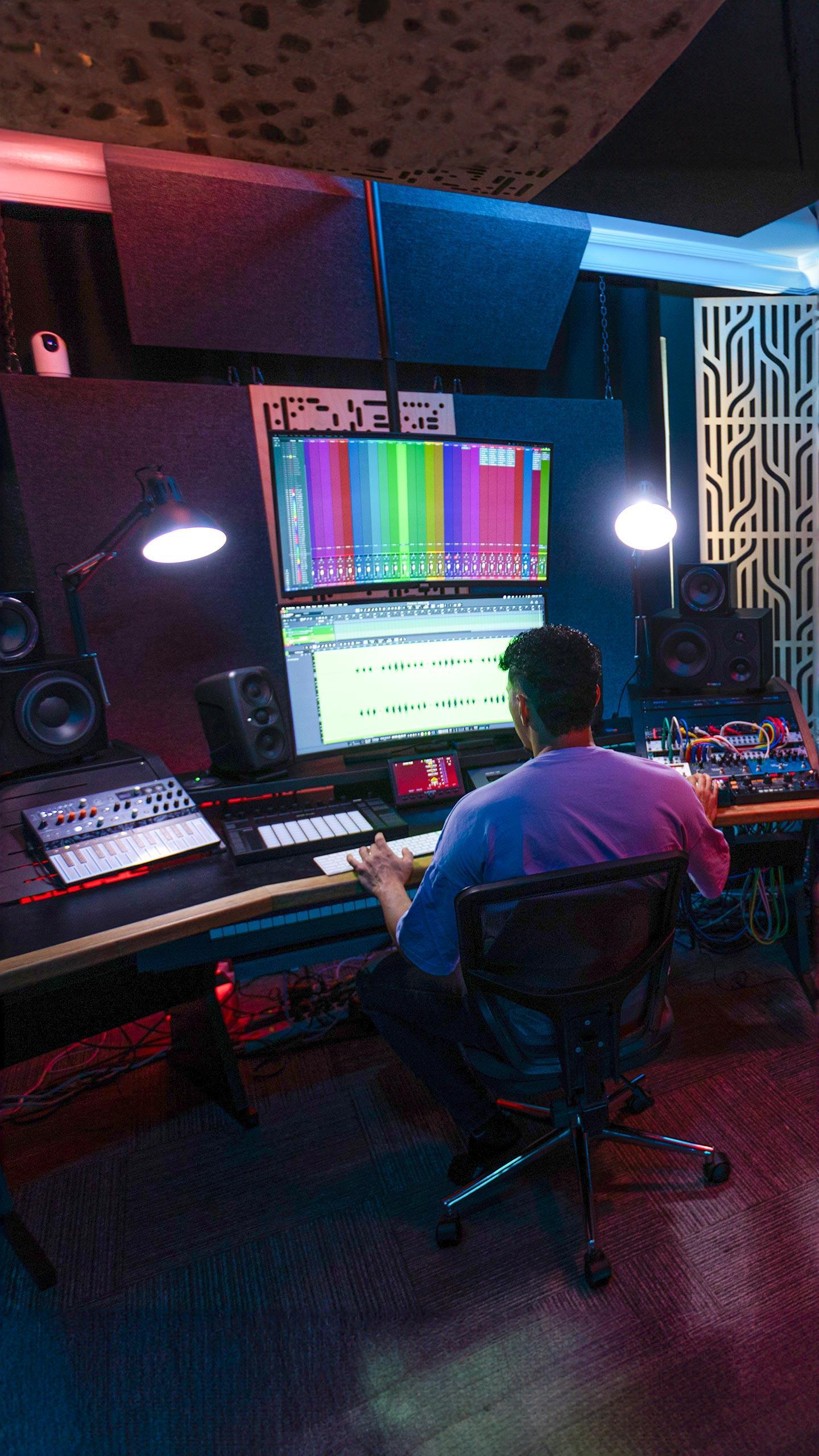
Future Phonic Studios, recognized as the first Dolby Atmos music studio in the Netherlands, is extensively using Nugen Audio's Halo Upmix software. This technology is crucial for creating expansive and natural-sounding
immersive audio environments across various projects, including music, film, virtual and augmented reality, theater, and experiential installations. Richard Burki, the founder of Future Phonic Studios, emphasizes that Halo Upmix is an essential tool in his workflow, bridging the gap between stereo sources and native 3D content. The software addresses the significant challenge of translating audio not originally intended for spatial playback into 3D experiences without compromising sound quality or spatial integrity. Burki applies Halo Upmix to diffuse audio elements such as ambient recordings, soundscapes, and atmospheric musical textures, enabling the creation of enveloping sound fields rather than fixed sound placements. This approach helps connect individual audio elements into a cohesive spatial environment, crucial for projects that rely heavily on diffused sounds like rain recordings and ambient textures.
Why It's Important?
The adoption of Nugen Halo Upmix by a leading immersive audio studio highlights a significant trend in the audio production industry towards more sophisticated and accessible tools for 3D sound. This technology is vital for content creators aiming to deliver truly immersive experiences, which are increasingly demanded in entertainment, gaming, and virtual reality sectors. For U.S. industries, this signifies a growing need for audio engineers and producers to master advanced spatial audio techniques. Companies involved in developing immersive content, from film studios to VR game developers, stand to benefit from tools that can efficiently and effectively convert existing stereo content into 3D audio without extensive re-recording. This also impacts hardware manufacturers, as the demand for high-quality immersive audio content drives innovation in playback systems, including home theater setups and headphones designed for spatial audio. The ability to upmix audio without distortion is critical for maintaining artistic intent and delivering a premium user experience, influencing consumer expectations for audio quality in digital media.
What's Next?
The continued integration of tools like Nugen Halo Upmix suggests a future where immersive audio becomes a standard rather than a niche offering. We can anticipate further advancements in audio upmixing technologies, potentially leading to more automated and intelligent solutions that can adapt to various content types and spatial environments. The demand for skilled audio engineers proficient in these tools will likely increase, prompting educational institutions and professional training programs to incorporate spatial audio production into their curricula. Furthermore, as immersive audio becomes more prevalent, content platforms and streaming services may enhance their infrastructure to better support and deliver these rich audio experiences to a wider audience. This could also drive innovation in consumer audio devices, with a greater focus on hardware optimized for spatial sound reproduction, making immersive audio more accessible in everyday listening environments. The success of studios like Future Phonic in utilizing such tools will likely inspire broader adoption across the global audio production landscape.
Beyond the Headlines
The widespread adoption of advanced audio upmixing technologies like Nugen Halo Upmix has deeper implications for the creative process and the perception of sound in media. It democratizes access to immersive sound design, allowing creators to transform existing stereo content into 3D experiences without starting from scratch, which can be cost-prohibitive. This shift could lead to a renaissance in how older media is re-experienced, offering new dimensions to classic films, music, and even historical recordings. Ethically, it raises questions about the authenticity of 'remastered' audio, as upmixing involves interpretation and algorithmic processing, potentially altering the original artistic intent. Legally, as immersive audio becomes more complex, intellectual property rights surrounding spatial sound design and the use of AI-driven upmixing tools may become a new frontier for copyright discussions. Culturally, the enhanced immersion could deepen emotional connections to media, making experiences more visceral and engaging, potentially influencing storytelling techniques and audience expectations for sensory engagement in entertainment.