

What's Happening?
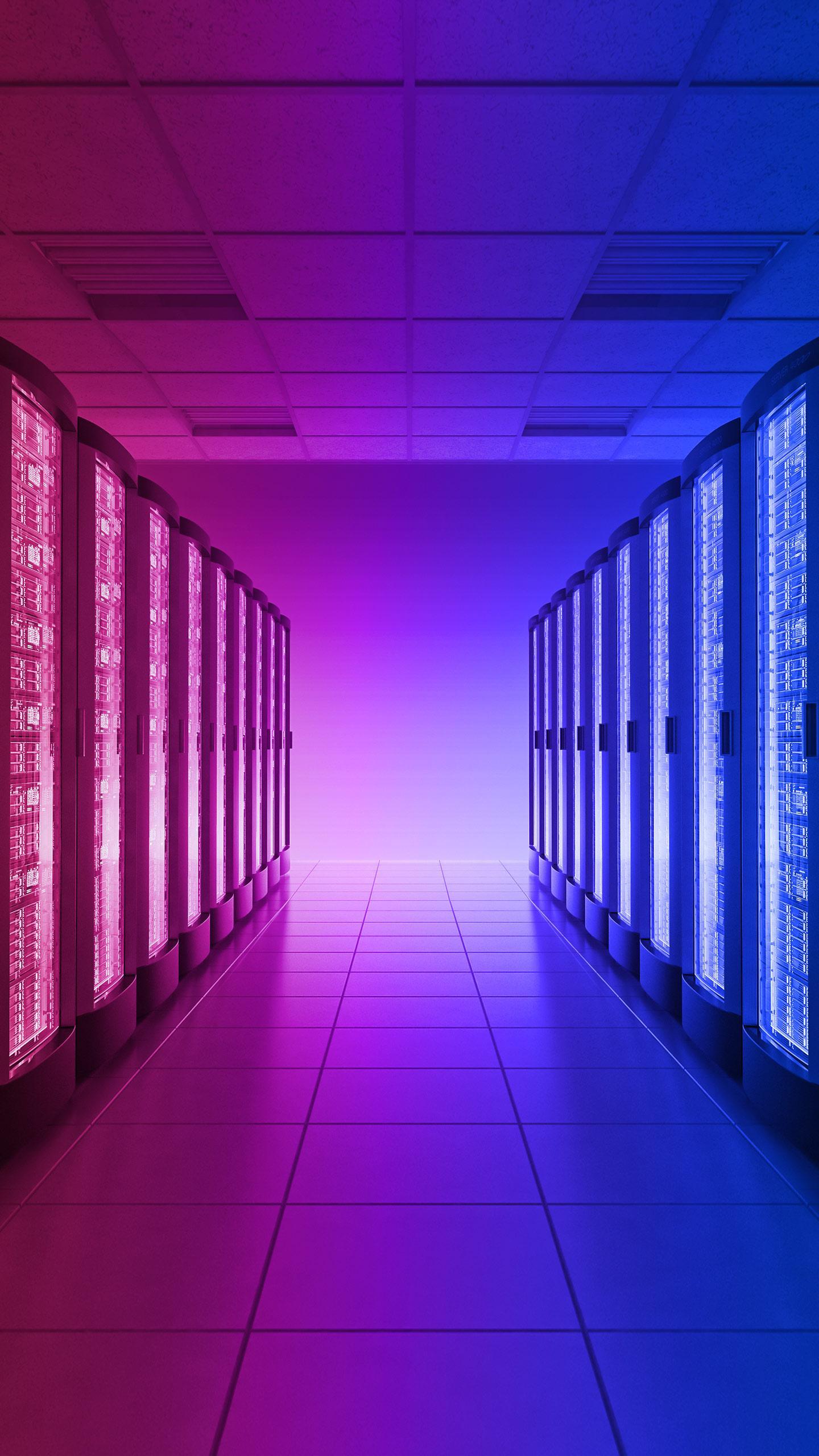
The U.S. data center construction market is experiencing rapid growth, driven by increasing demand from AI workloads and cloud computing. Private data center construction spending in the U.S. reached a seasonally
adjusted annual rate of $84.95 billion in August 2026, marking a 73.2% increase from the previous year. North America's eight primary markets alone have a record 7,481.1 MW under construction, with 80.4% already preleased. However, this expansion is met with significant challenges, including construction delays, with over 50% of projects in 2025 experiencing delays of three months or longer. The average global equipment lead time is 33 weeks, 50% longer than pre-2020 levels. Power availability is cited by 48% of respondents as the biggest obstacle to timely delivery, and transformer lead times have surged to approximately 120 weeks in 2024. Additionally, the construction industry faces a shortage of about 349,000 net new workers in 2026, with 81% of respondents reporting constrained skilled labor.
Why It's Important?
The booming data center construction in the U.S. is critical for supporting the nation's digital infrastructure, particularly for advanced technologies like AI and cloud services. This growth signifies substantial investment and job creation within the construction and technology sectors. However, the pervasive delays and workforce shortages pose significant risks to the timely deployment of these essential facilities. Extended lead times for critical equipment like transformers and the scarcity of skilled labor, especially electricians, can inflate project costs and push back operational dates. This directly impacts the ability of U.S. businesses to scale their digital operations, potentially hindering innovation and competitiveness in the global tech landscape. The high pre-leasing rates indicate strong demand, but the construction bottlenecks could lead to a supply-demand imbalance, affecting pricing and availability of data center capacity.
What's Next?
Addressing the challenges in data center construction will require multi-faceted solutions. Companies are likely to explore innovative construction management techniques, such as those offered by OpenSpace, to improve project visibility and mitigate delays. Investment in workforce development and training programs for skilled trades, particularly electricians, will be crucial to alleviate labor shortages. Furthermore, there may be increased pressure on manufacturers to ramp up production of long-lead items like transformers. Policy initiatives could also emerge to streamline permitting processes and incentivize domestic manufacturing of critical components. The industry will need to balance rapid expansion with sustainable practices, considering the significant energy demands of data centers. The ongoing growth of AI and cloud computing will continue to fuel demand, making efficient and timely data center development a strategic imperative for the U.S. economy.
Beyond the Headlines
The rapid expansion of data centers and the associated challenges highlight deeper societal and environmental implications. The substantial increase in electricity consumption by U.S. data centers, projected to reach 6.7% to 12% of the country's total by 2028, raises concerns about energy infrastructure strain and environmental impact. This necessitates a focus on renewable energy sources and energy-efficient designs for new data centers. The concentration of planned data centers in rural areas, with 67% of new facilities, could transform local economies but also bring challenges related to resource allocation, land use, and community integration. The demand for specialized labor underscores a broader need for vocational training and STEM education to meet the evolving requirements of the digital economy. Ultimately, the trajectory of data center development will shape not only the technological landscape but also energy policy, urban planning, and workforce development in the U.S.