


What's Happening?
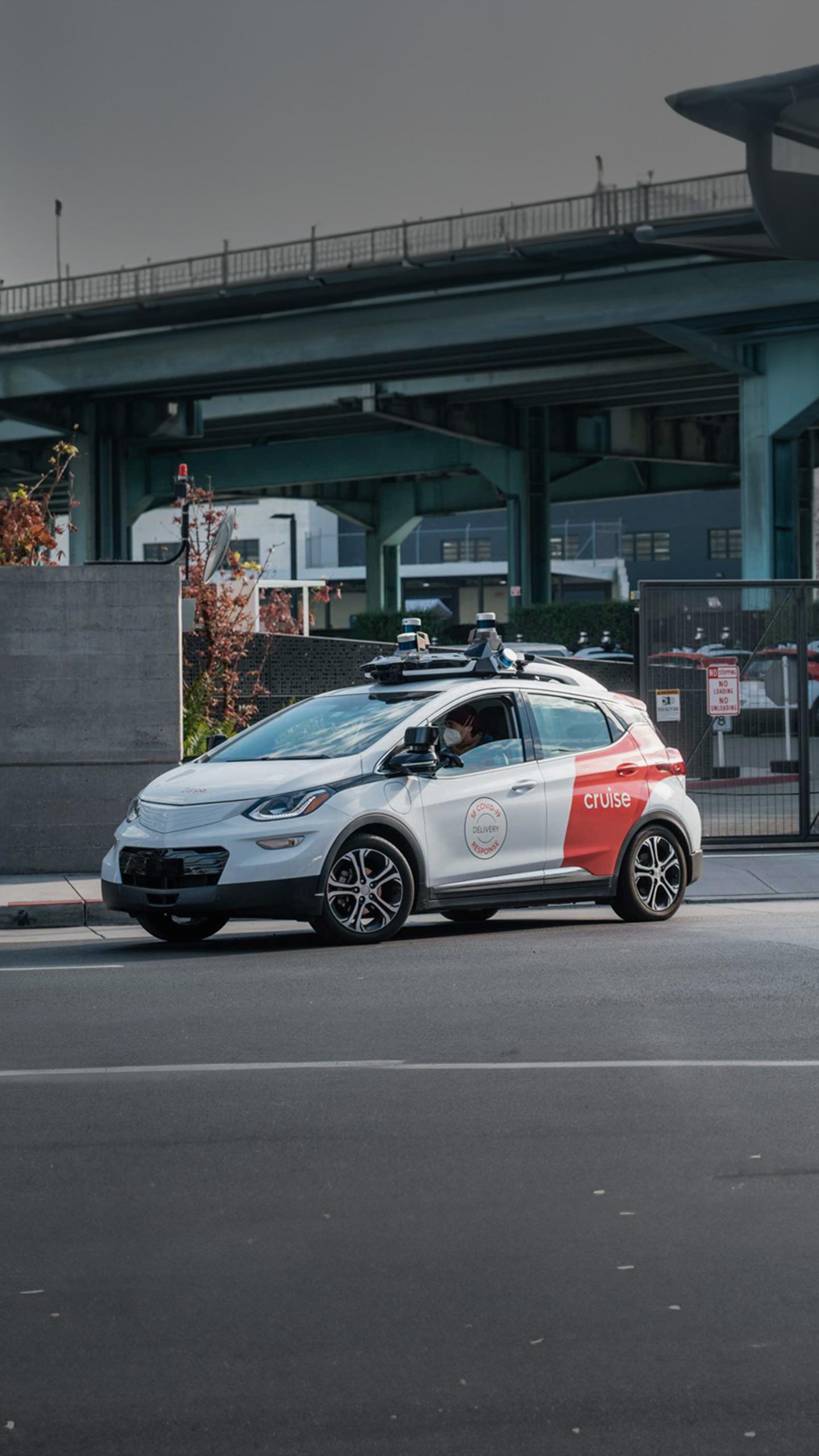
Uber Technologies has commenced fully driverless robotaxi testing in the San Francisco Bay Area. These trials involve Lucid vehicles integrated with Nuro's autonomous technology, operating on roads without
a safety driver. This marks a significant progression from previous supervised autonomous testing programs. The company is working towards a commercial robotaxi rollout planned for 2027, which will incorporate Lucid hardware and Nuro's autonomous systems directly into the Uber app. This initiative is part of Uber's strategy to leverage its substantial investment in autonomous vehicle partnerships and labs, which includes approximately $10 billion earmarked for such ventures and commitments for about 120,000 cars. The move aims to establish a clearer commercial path for its autonomous vehicle spending and to position Uber as a distribution layer for multiple autonomy suppliers.
Why It's Important?
The initiation of fully driverless robotaxi testing by Uber Technologies holds significant implications for the U.S. transportation industry and the broader economy. This development signals a critical step towards the widespread commercialization of autonomous vehicles, potentially transforming urban mobility and logistics. For Uber, it represents an effort to solidify its market position by integrating advanced autonomous technology directly into its core ride-sharing and delivery platforms, rather than allowing third-party robotaxi services to capture demand independently. The success of these trials and the subsequent 2027 rollout could significantly impact Uber's revenue mix and unit economics, potentially leading to increased efficiency and reduced operational costs by eliminating the need for human drivers. This also intensifies competition within the autonomous vehicle sector, pushing other companies to accelerate their own driverless technology development and deployment.
What's Next?
The key milestone for Uber Technologies is the public launch target for its Bay Area robotaxi service in the first quarter of 2027. Investors and industry observers will closely monitor whether Uber meets this deadline and how quickly it scales its operations towards the planned 2,000 robotaxis on its platform by 2027. The pace of this rollout will be a crucial indicator of how rapidly autonomous trips will begin to contribute to Uber's revenue and improve its unit economics. Furthermore, the success of these trials could influence regulatory frameworks for autonomous vehicles in California and potentially other states, as policymakers assess the safety and operational viability of fully driverless services. The expansion of testing to more cities in the Bay Area and the planned launch in Houston by mid-2027 will also be critical next steps in Uber's autonomous vehicle strategy.
Beyond the Headlines
The shift to fully driverless robotaxis by Uber, in collaboration with Lucid and Nuro, extends beyond immediate commercial gains, touching upon deeper societal and ethical considerations. The widespread adoption of autonomous vehicles could lead to significant changes in urban planning, infrastructure development, and employment patterns, particularly for professional drivers. Ethical questions surrounding liability in the event of accidents involving driverless cars will become more prominent, potentially necessitating new legal frameworks and insurance models. Moreover, the integration of advanced AI and sensor technology in daily transportation raises concerns about data privacy and cybersecurity. The success of these trials could also accelerate public acceptance of autonomous technology, paving the way for further innovation in smart cities and interconnected transportation systems, ultimately reshaping how people interact with their urban environments and travel.