




What's Happening?
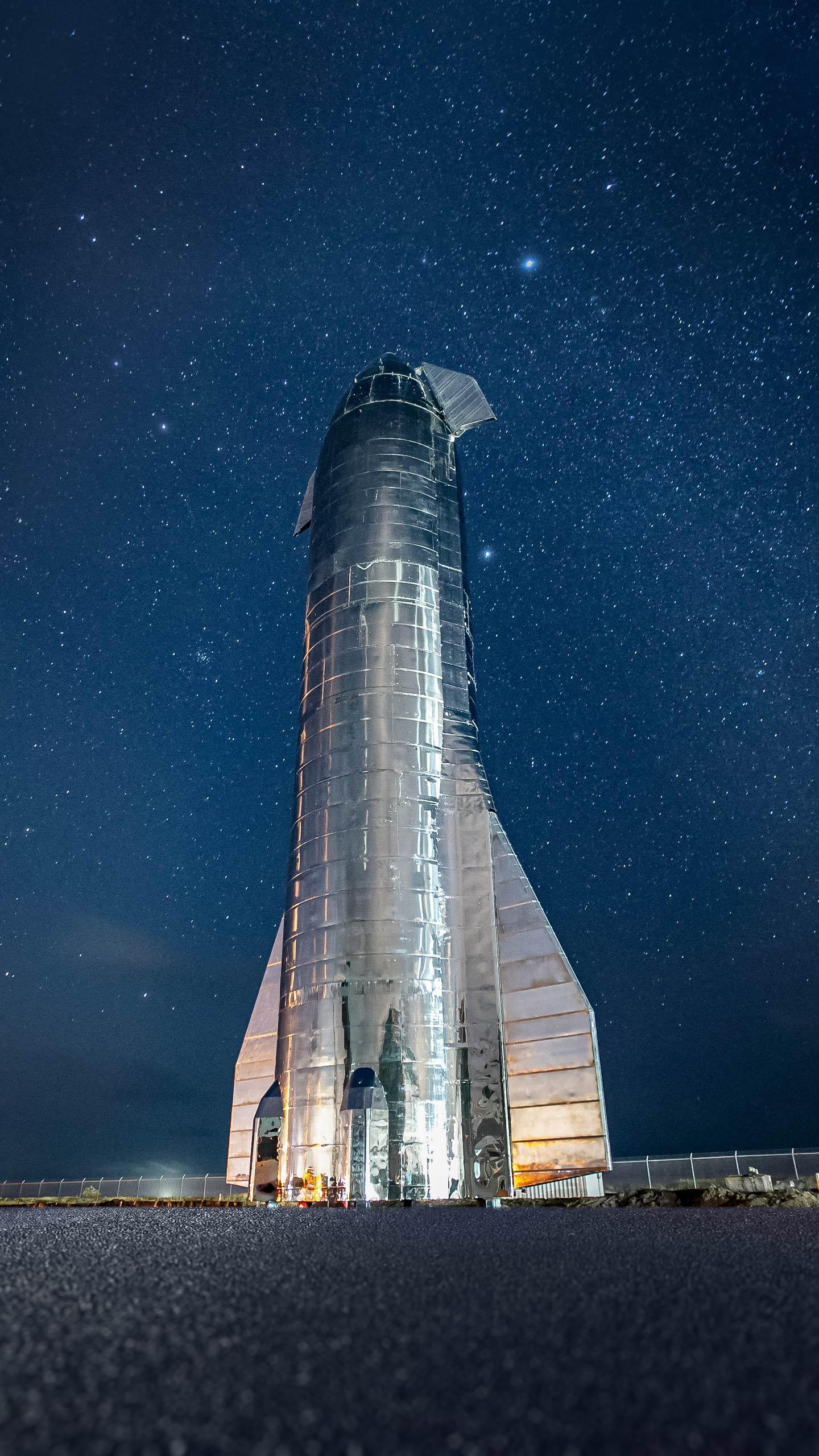
SpaceX's Starship program is making significant progress, with Flight 15 hardware ready for launch and the development of a second launch site at Cape Canaveral nearing completion. Booster 22 and Ship
42, components for Flight 15, have successfully cleared static fire tests, indicating a consistent operational rhythm for SpaceX. This flight also marks the beginning of a permanent Raptor 3 engine reliability upgrade program, integrating lessons from previous flights into the production baseline. The first Starship launch from Cape Canaveral's LC-39A is anticipated in the coming months, with construction progressing on the tank farm, SLC-37 tower, and other infrastructure. Additionally, Starbase is now processing multiple vehicles simultaneously, stacking Ships 43 through 45 and Booster 24 in parallel, demonstrating an increased cadence in production.
Why It's Important?
The advancements in SpaceX's Starship program hold substantial importance for the U.S. aerospace industry and NASA's future space exploration endeavors. The establishment of a second launch site at Cape Canaveral significantly enhances SpaceX's operational flexibility, reducing its geographic dependency on Starbase and potentially accelerating launch frequency. This increased cadence is crucial for NASA's Artemis integration, as a concrete timeline for Starship's role in lunar missions is being outlined, including a plan for Starship HLS docking with the Orion spacecraft in Earth orbit. The Raptor 3 reliability upgrades are vital for ensuring the safety and success of future missions, particularly for high-cadence operations and deep-space travel. The ability to process multiple vehicles simultaneously at Starbase indicates a scaling up of production, which is essential for achieving SpaceX's ambitious goals of double-digit Starship flights per year.
What's Next?
The immediate next step for the Starship program is the launch of Flight 15, with a launch window announcement expected once stacking at Starbase is confirmed. Following this, the focus will shift to the inaugural Starship launch from Cape Canaveral, which will dramatically expand SpaceX's launch capabilities. A critical milestone on the near-term roadmap is the orbital propellant transfer demonstration, now targeted for Q1 2027. This test, involving two Starships performing an in-orbit rendezvous and propellant transfer, is technically crucial for validating the deep-space and lunar architectures that both SpaceX and NASA are relying on. Hardware testing for the Artemis III docking mechanism is also expected at NASA's Marshall Space Flight Center, with final flight hardware installed closer to launch, aligning with early Artemis III preparation activity.
Beyond the Headlines
The rapid development and scaling of the Starship program, particularly with the introduction of a second launch site and enhanced engine reliability, signify a potential paradigm shift in space transportation. This increased capacity and reliability could democratize access to space, making it more affordable and routine for a wider range of scientific, commercial, and governmental missions. The successful implementation of orbital propellant transfer would unlock unprecedented capabilities for long-duration deep-space missions, including sustained lunar presence and eventual human missions to Mars. This technological leap could foster a new era of space-based industries, from manufacturing to resource extraction, and reshape geopolitical dynamics in space. The integration of Starship into NASA's Artemis program also highlights a growing synergy between private enterprise and government space initiatives, potentially accelerating the pace of human space exploration.