


What's Happening?
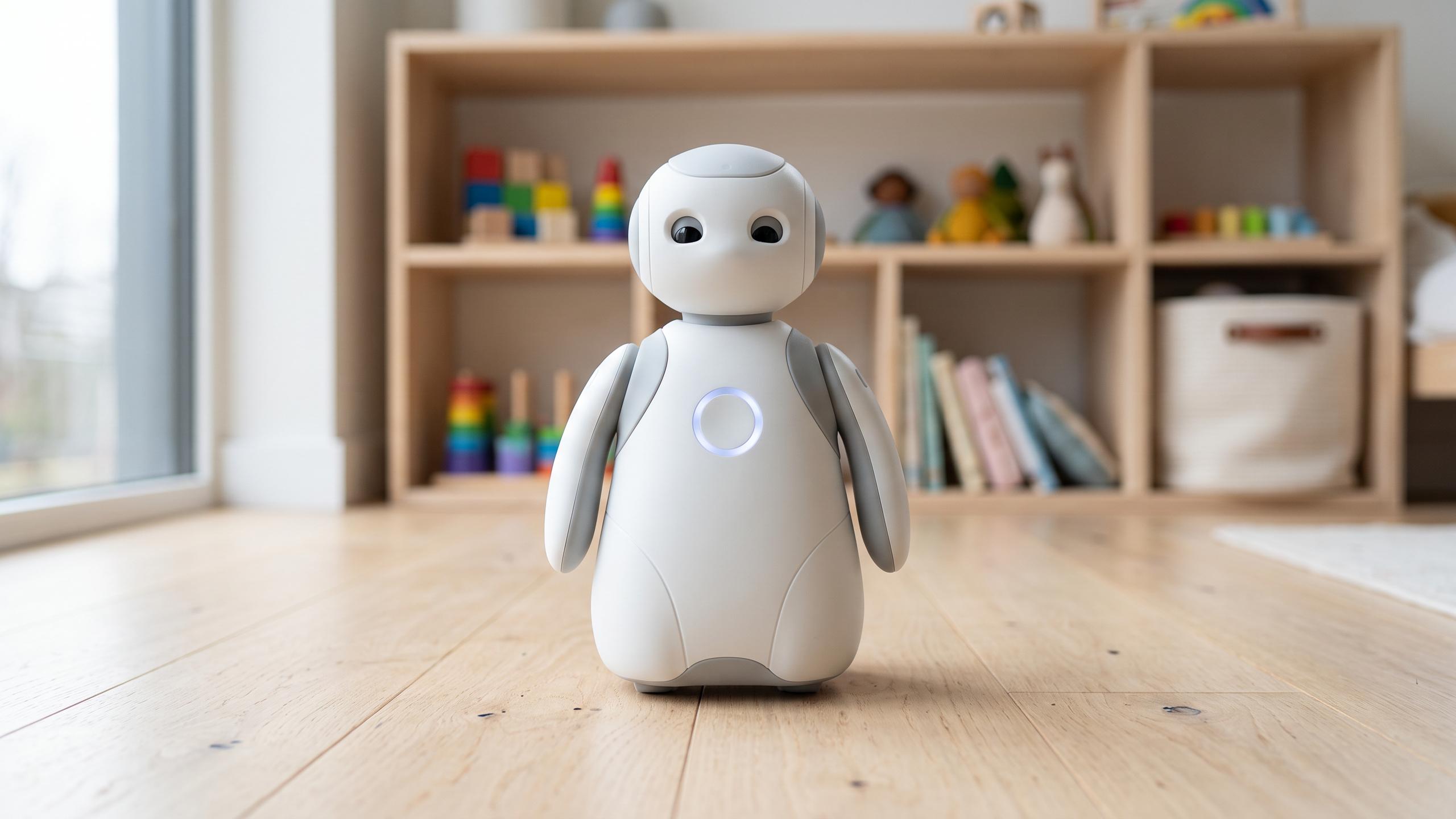
California and New York have recently enacted new legislation to regulate AI companion chatbots, particularly concerning their use by minors. California's Senate Bill (SB) 867, signed in September 2026,
makes it unlawful to manufacture or sell a toy for children under 16 that includes a 'companion chatbot' until January 1, 2031. A companion chatbot is defined as an AI system that provides adaptive, human-like responses and can maintain a relationship across interactions. Concurrently, New York's S9051-B, effective January 1, 2027, prohibits 'unsafe' AI companion features for minors, such as chatbots presenting as human, flattering users, or encouraging secrecy. These laws aim to address concerns about the potential impact of AI on children's development and privacy, prompting parents and businesses to carefully evaluate the features and safeguards of such products.
Why It's Important?
These legislative actions in two major U.S. states signify a growing governmental concern over the unregulated use of AI, especially in products marketed to children. The laws highlight the potential for AI companion chatbots to create unpredictable and potentially harmful interactions, raising questions about child safety, data privacy, and the psychological effects of human-like AI on young users. For businesses, these regulations introduce new compliance challenges and necessitate a re-evaluation of product design, marketing strategies, and data handling practices for AI-powered toys and applications. The restrictions on features like 'human-like' presentation and 'flattery' reflect a desire to prevent AI from misleading or unduly influencing minors, underscoring a broader societal debate about the ethical boundaries of AI development and deployment.
What's Next?
Manufacturers and retailers of AI companion chatbots must assess whether their products fall under the definitions and prohibitions outlined in California's SB 867 and New York's S9051-B. This will likely lead to product modifications, clearer age-appropriateness labeling, and enhanced parental control features. Parents, in turn, are advised to scrutinize the AI capabilities, privacy policies, and parental controls of any robot companion before purchase. The laws also encourage a broader discussion among educators and policymakers about the role of AI in children's learning environments, as evidenced by varying district-level policies on generative AI in schools. The evolving regulatory landscape suggests that more states may follow suit, leading to a more standardized approach to AI safety and privacy for minors across the U.S.
Beyond the Headlines
The emergence of laws specifically targeting AI companion chatbots for minors points to a deeper societal anxiety about the nature of human-AI interaction and its long-term implications. Beyond the immediate concerns of privacy and safety, these regulations touch upon philosophical questions about authenticity, emotional development, and the potential for AI to reshape human relationships. The prohibition on AI presenting as human or encouraging secrecy reflects a desire to preserve the integrity of human connection and prevent the erosion of critical thinking skills in children. This legislative trend could foster a new era of 'ethical AI' design, where developers are compelled to prioritize transparency, age-appropriateness, and the well-being of users over purely technological advancements, ultimately influencing how AI is integrated into future generations' lives.