




What's Happening?
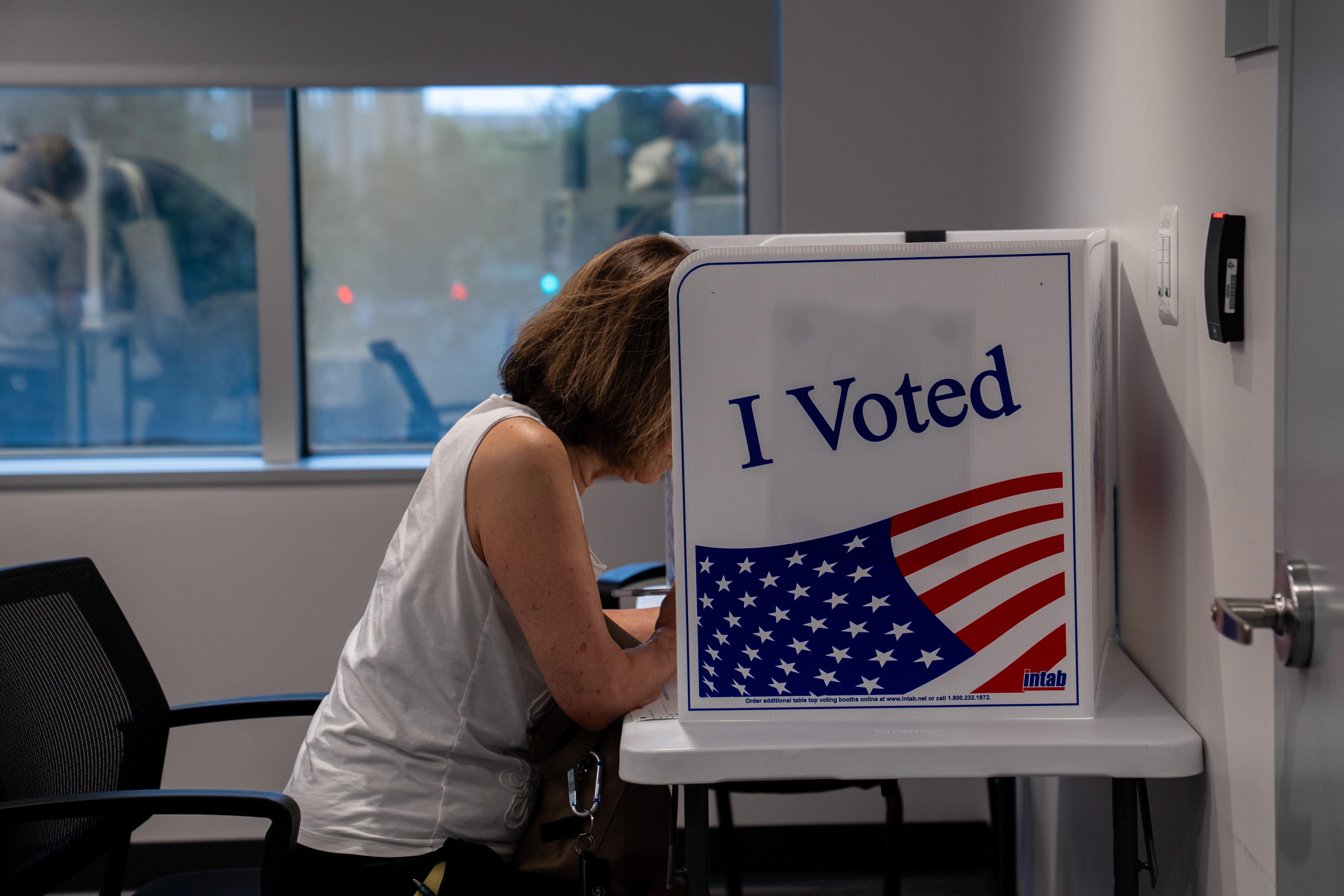
The recent U.S. midterm elections highlighted a negative public sentiment towards artificial intelligence, with voters rejecting data centers—essential for powering AI—on numerous ballot measures across
several states. These results align with polling data indicating that many Americans believe AI causes more harm than good. This widespread public attitude raises questions about how it will influence future legislation and policy regarding AI use in health care. Key issues for lawmakers next year include state bills proposing 'sandboxes' for testing AI products and national legislation aimed at clarifying the Food and Drug Administration's (FDA) authority over AI, as well as reimbursement policies for AI-driven health technologies.
Why It's Important?
The public's apprehension about AI, as demonstrated in the midterms, could significantly impact the regulatory landscape for health AI. If this negative sentiment translates into more cautious or restrictive legislative approaches, it could slow the development and adoption of AI innovations in health care. This could affect how AI products are tested, approved, and reimbursed, potentially creating hurdles for companies developing diagnostic tools, treatment algorithms, and other AI-powered medical solutions. The perception of AI as a 'boogeyman' and data centers as symbols of excessive coziness between the previous administration and the tech industry, as noted by Eric Fish of Hooper Lundy & Bookman, suggests that lawmakers may feel pressure to adopt a more critical stance.
What's Next?
Lawmakers are expected to address several critical areas concerning health AI in the upcoming legislative sessions. This includes the potential introduction of state-level 'sandboxes' to facilitate the testing of AI products, which could provide controlled environments for innovation while addressing safety concerns. At the national level, there will likely be efforts to clarify the FDA's regulatory authority over AI in health care, which is crucial for establishing clear pathways for product approval. Additionally, discussions around reimbursement for AI technologies will be vital for their widespread adoption and integration into clinical practice. The overall legislative direction will likely be influenced by the prevailing public sentiment, potentially leading to more stringent oversight and a focus on ethical AI development.
Beyond the Headlines
The public's negative sentiment towards AI, particularly as it manifests in health care, touches upon deeper societal anxieties about technology, trust, and control. In health care, these concerns are amplified due to the direct impact on patient well-being and privacy. The outcome of the midterms suggests a growing demand for greater transparency, accountability, and ethical safeguards in AI development and deployment, especially in sensitive sectors. This could lead to a more human-centric approach to health AI regulation, prioritizing patient safety and public trust over rapid technological advancement. It also highlights the challenge for policymakers to balance innovation with public protection, potentially fostering a more deliberate and cautious evolution of AI in medicine.