


The Miami Dolphins entered their bye week with an 0-5 record, and things have not gone according to plan. Through five games, Miami is tied with the Tennessee Titans for the fewest points scored in the NFL. The Dolphins also rank last in yards per game and passing yards while sitting 28th in third-down conversion percentage.
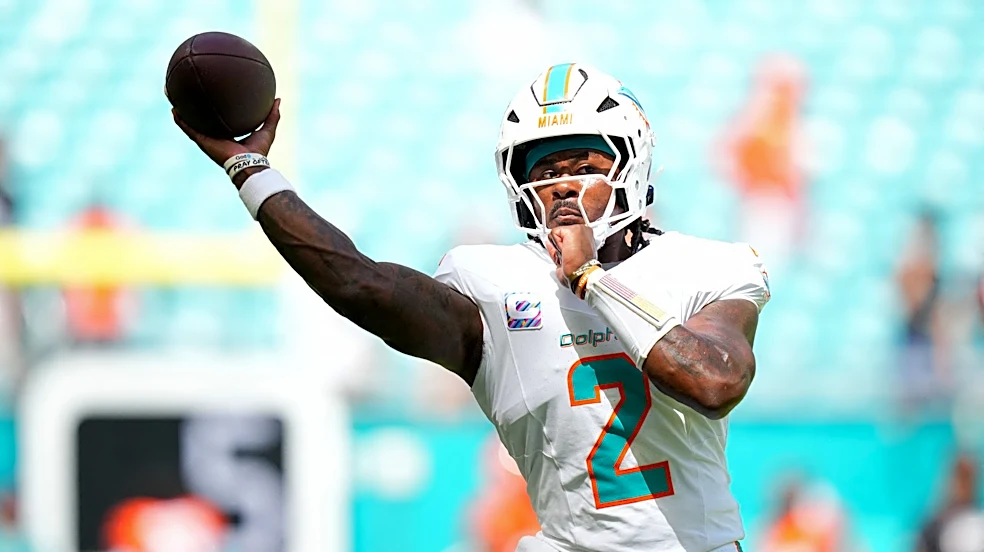
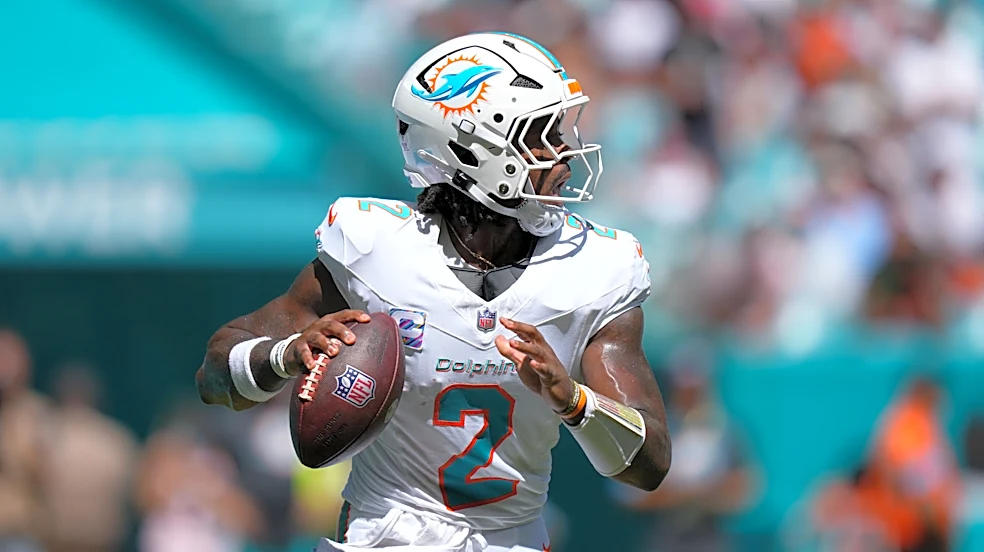
Malik Willis was brought in this offseason to replace Tua Tagovailoa and hopefully bring new life to the Dolphins' offense. While the results have been far from perfect, there have been some positives. With five weeks in the books, it's time to grade Willis' performance and look at how much of Miami's struggles can actually be blamed on him.
Through five games, Willis has averaged around 170 passing yards and 37 rushing yards per
game. He's thrown two touchdowns, rushed for two more and recorded four interceptions. Those numbers are not impressive, especially for a quarterback expected to help turn around a struggling offense. However, looking at the stats alone doesn't tell the whole story.
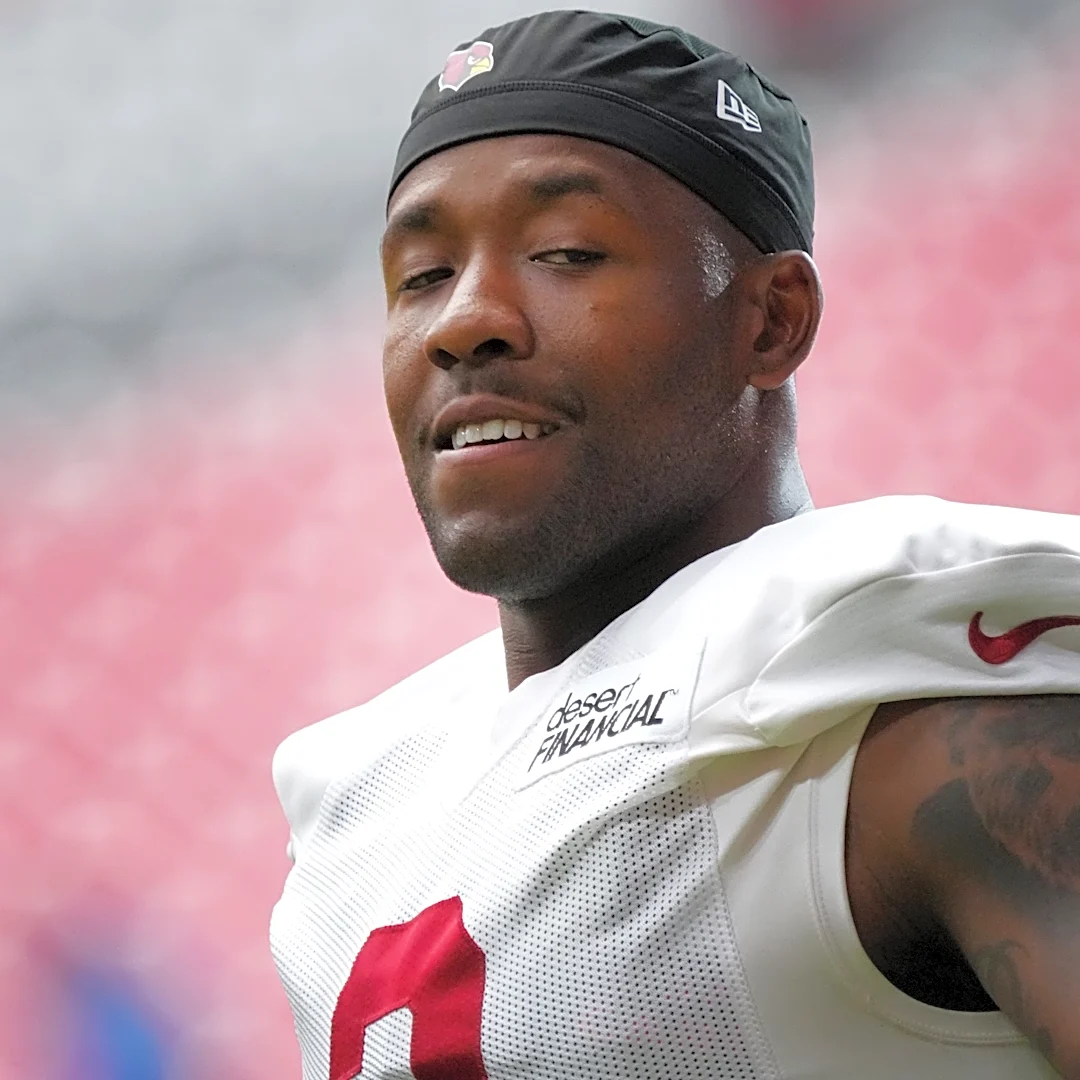
One of the biggest issues has been the lack of support around Willis. Caleb Douglas looked impressive in Week 1 but hasn't been active since Week 2 after suffering a right ankle injury. The Dolphins are also missing their best offensive weapon, De'Von Achane, which has made an already struggling offense even more difficult to manage. On top of that, Pro Football Focus recently ranked Miami's offensive line 24th in the league, highlighting another major concern.
The bottom line is that the Dolphins have scored 13 points or fewer in four of their five games. When an offense is producing that little, the quarterback is naturally going to receive a lot of criticism. But how much of the blame should really fall on Willis?
It's easy to look at his statistics, see the interceptions and lack of passing production, and assume he's a major part of the problem. However, Miami has one of the least productive wide receiver groups in the league and has struggled to find consistency across the entire offense. Willis hasn't been perfect, but he's also been working with limited protection and few reliable options around him.
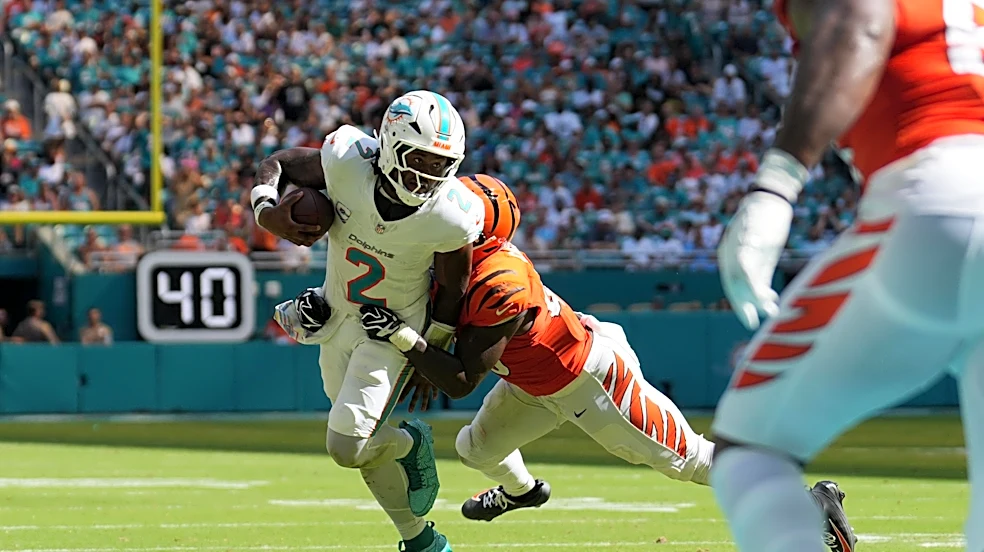
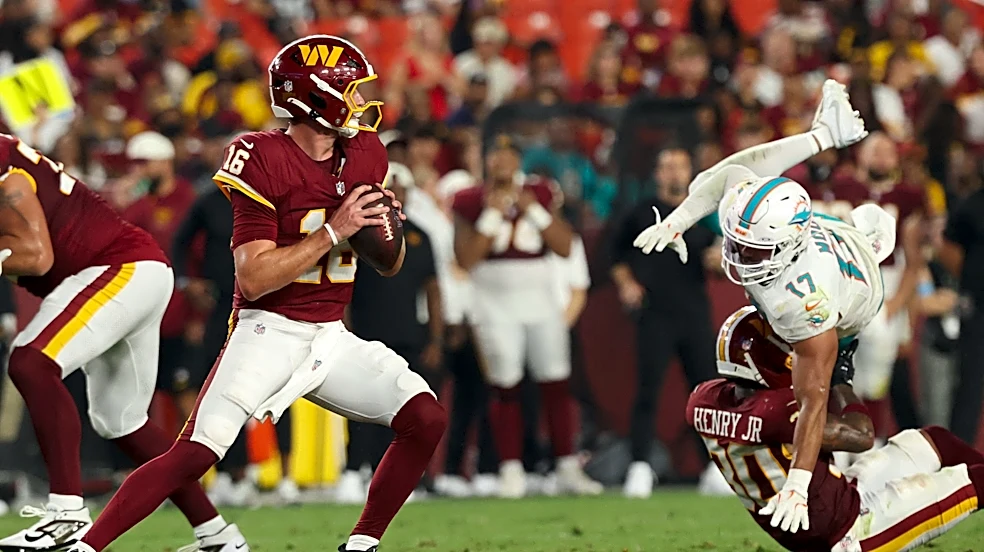
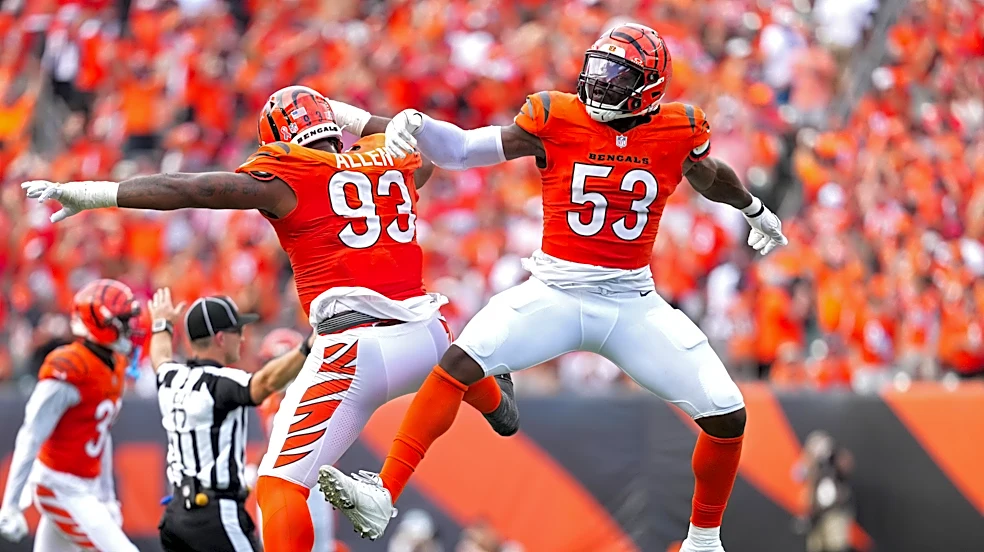
One of the more encouraging parts of Willis' game has been his ability to make plays outside the pocket. He's frequently forced to scramble under pressure, yet he's still managed to make tight-window throws and pick up extra yards with his legs. In Miami's most recent game against the Cincinnati Bengals, Willis made several impressive throws on the run that showed the playmaking ability he can bring to the offense.
That ability is important because it gives the Dolphins another dimension at quarterback. Willis can extend plays when the pocket breaks down, and his rushing ability creates opportunities that a traditional pocket passer might not. The problem is that those flashes of potential haven't translated into consistent offensive production.
To say Willis deserves none of the blame would be a stretch. Four interceptions in five games is a concern, and there are moments when he needs to make better decisions with the football. He also needs to become more consistent as a passer and find ways to keep the offense moving. At the end of the day, the quarterback has to take responsibility for his performance, regardless of the circumstances around him.
However, it would be unfair to judge Willis solely on the Dolphins' record or their lack of offensive production. The injuries, offensive line struggles, and lack of reliable weapons have all played a role in Miami's disappointing start. Before placing the majority of the blame on Willis, the Dolphins need to find ways to improve the situation around him.
Final overall grade: B
Willis hasn't put up the numbers needed to lead a successful offense, but there have been enough flashes of potential to justify giving him more time. His mobility and ability to make difficult throws on the run have been positives, even if the overall results haven't been there.
The Dolphins have plenty of problems to address, and Willis isn't completely free of blame. Still, he shouldn't be treated as the only reason for their 0-5 start. If Miami can improve its offensive line, get key playmakers healthy and give Willis more consistent support, we may get a better idea of what he can truly bring to this team. For now, Willis deserves some slack, but he needs to start turning those flashes into results.
This article originally appeared on Dolphins Wire: Grading Dolphins QB Malik Willis' performance after 5 games