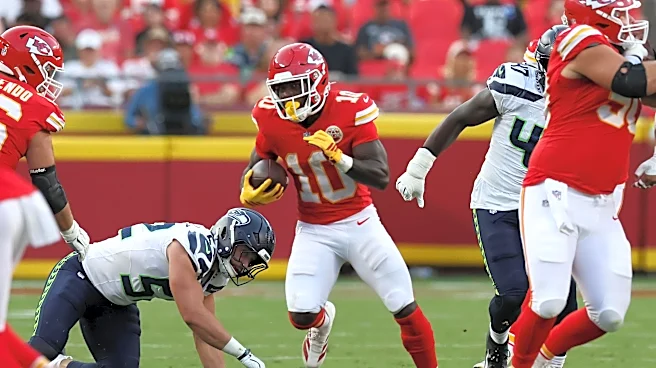





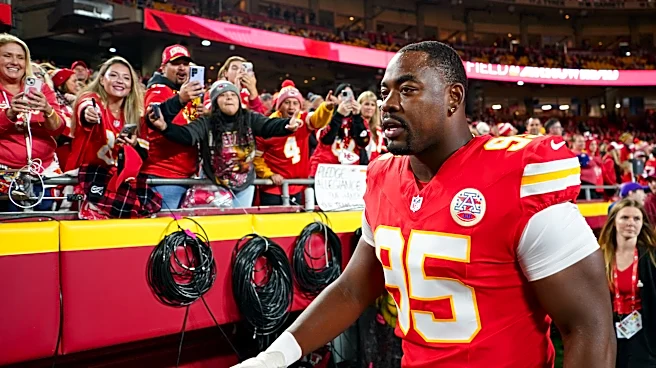
Kenneth Walker cashed in after 2025 and earned himself a pay raise -- and a promotion.
The explosive running back helped propel the Seattle Seahawks to the top of the NFL. His 1,000-yard regular season set the stage for a dynamic playoff performance. He tallied more than 400 total yards and four touchdowns across three games as the Seahawks earned the second Super Bowl win of their existence.
But Walker wasn't included in Seattle'smore than $600 million in contract value to homegrown (and recently traded for) stars. He left as a free agent last spring, signing a three-year, $42.75 million deal to boost the Kansas City Chiefs suddenly concerning offense. That deal made him the ninth-highest paid running back in the league (in terms of annual salary).
It was a pricy move for a Chiefs roster pressed up against the salary cap. It's also one that made sense, even against protests from the "don't pay running backs" crowd.
How bad was the Chiefs running offense in 2025?

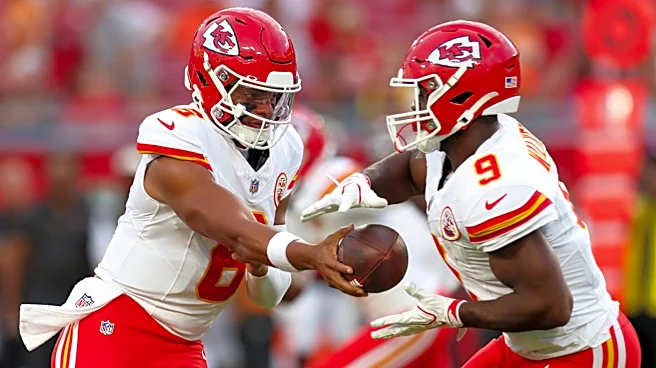
Pretty bad! The team's leading rusher was a 30-year-old Kareem Hunt, who signed with the team off the street after Week 2. He and Isiah Pacheco averaged 3.8 yards per carry between them, combining for -39 rush yards over expected (RYOE). The only player on the roster to hit at least 20 miles per hour on a run play was Xavier Worthy, who is a wideout.
Walker, on the other hand, had 53 RYOE while averaging a career-best 4.6 yards per carry. He hit 20-plus MPH twice, but also hit 15-plus MPH a whopping 67 times -- 53 more than Hunt and Pacheco combined. His speed makes him a threat who can keep safeties staring into the backfield and free up the Chiefs' passing attack. That's a big deal with talented but flawed players like Rashee Rice, Worthy and Tyquan Thornton in the lineup.
Kansas City tried to cultivate low-cost tailback help, both through the draft and with veteran retreads. It failed, and that led to the franchise's worst season since 2012. Rather than hash up memories of Dwayne Bowe, the Chiefs dedicated their modest salary cap space to a reliable runner (albeit one who has typically worked in a platoon). It's a common sense addition, even if there's still capacity for failure.
This article originally appeared on For The Win: Why did the Chiefs sign Kenneth Walker III?