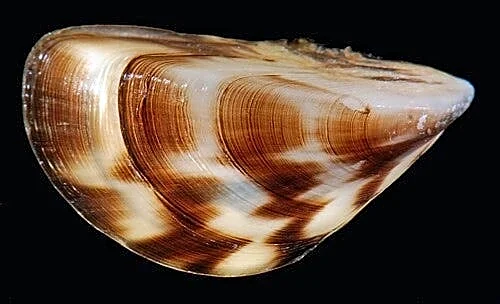







An aquatic invasive species that has emerged as a threat in the Upper Colorado River basin has now become a growing concern in the Colorado River in Utah.
Tests completed on the Colorado River in Utah have detected the presence of zebra mussel DNA fragments for the first time, the Utah Division of Wildlife Resourcesannounced Tuesday.
“The detection of environmental DNA in the water only indicates the presence of an animal somewhere upstream—it does not confirm that live mussels are present,” the DWR stated.

Still, the recent detection shows the serious nature of the threat, as zebra mussels can wreak havoc with an aquatic ecosystem and cause considerable damage.
“Once established, zebra mussels can clog pipes and infrastructure, create recreation
hazards on rocks and beaches, and alter ecosystems,” said Lt. Bruce Johnson of the Utah Department of Natural Resources Law Enforcement Aquatic Invasive Species Statewide Operations.
“It is critical for anyone who uses boats, paddleboards, kayaks and any other watercraft to adhere to all the laws and to clean, drain and dry their watercraft in order to prevent these aquatic invasive species from spreading further into Utah.”

The Utah Division of Wildlife Resources started sampling for invasive mussels in the Colorado River in 2025 from the state line to Moab, Utah.
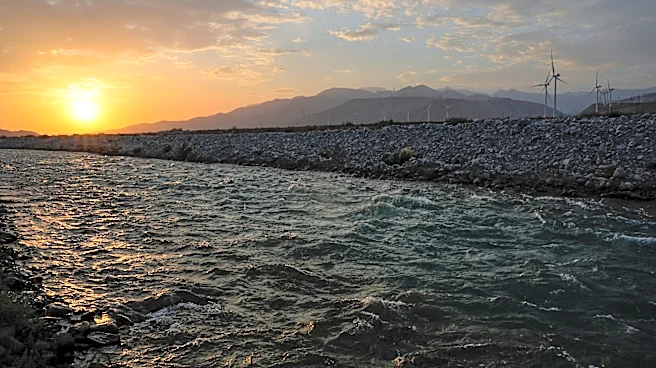
An environmental DNA autosampler (shown in accompanying photos) was deployed at a new location near the Potash Boat Ramp, about 14 river miles downstream of Moab. Samples were collected daily in June and July.

The U.S. Geological Survey analyzed the water samples and discovered four of the 22 sampled were positive for zebra mussel DNA. Samples collected in the spring and summer from other locations on the Colorado River in Utah did not come back positive.
Also on FTW Outdoors: Fisherman snags paddlefish that avoided capture for 22 years
Those who launch motorized boats in Utah are required to pay an annual aquatic invasive species program vessel enrollment fee, which helps the Department of National Resources operate the state’s program to keep the invasive species from spreading around Utah.
Additionally, all river users in Utah—including nonmotorized watercraft such as canoes, paddleboards and rafts—are required to complete Utah’s annual mussel-aware boater course.

“As one of the primary users of the Colorado River, nonmotorized boaters are our first line of defense in helping reduce this risk of transporting this species from the Colorado River to other waters in the state,” DWR Sportfish Coordinator Trina Hedrick said. “All boaters are encouraged to clean, drain, and dry all watercraft when moving between waterbodies to help prevent the spread of aquatic invasive mussels. There is no time like right now to get serious about this threat.”
This article originally appeared on For The Win: Emerging threat discovered in Colorado River in Utah for first time